Where is the Gurja Village to Jajale trekking Trail?
Features of Jaljala trek
Altitude and Duration of Jaljale trek
|
Planning a Trip? Get a free consultation from our travel experts with over a decade of experience.
|
|
Planning a Trip? Get a free consultation from our travel experts with over a decade of experience.
|
Updates
Adventure Awaits — Let’s Begin Your Journey
Trekking
Trekking is one of the most rewarding ways to explore the natural world. Unlike quick sightseeing trips, trekking allows you to immerse yourself in the environment, culture, and rhythm of local life.
It combines physical challenge with breathtaking scenery and often leads to remote and untouched places. Whether you’re hiking through lush forests, crossing high mountain passes, or wandering ancient trails, trekking pushes you to connect deeply with nature. Along the way, you encounter local communities, learn about their traditions, and enjoy fresh, home-cooked meals in cozy teahouses or campsites.
Trekking can be adapted to any fitness level from gentle day hikes to multi-day expeditions at high altitudes. It improves physical health, builds mental strength, and offers a sense of accomplishment as you reach each milestone. Safety is key: proper preparation, suitable gear, and respect for the environment and local customs make every trek enjoyable and secure.
If you’re looking for adventure, cultural experience, and personal growth, trekking is the perfect journey. Lace up your boots, breathe in the fresh air, and step into the world’s natural wonders one trail at a time.
Himalaya King
2025-Jun-18
Destination Guide
Step beyond the crowded trails and tourist hotspots to discover Nepal’s secret treasures. This blog highlights serene destinations like Rara Lake, Tsum Valley, Khaptad National Park, and more—ideal for travelers seeking peace, solitude, and authentic local culture away from the mainstream.Avoid overpacking while staying fully prepared. This post lists the most important trekking gear, from moisture-wicking layers and water purifiers to headlamps and energy snacks. Includes tips for high-altitude treks, monsoon trails, and minimalist travel.
2025-May-12
Destination Guide
The Everest Region, home to the world’s highest peak, is much more than just a mountain t’s a gateway to breathtaking landscapes, rich culture, and unforgettable adventure. Trekking here means walking through rugged trails flanked by towering snow-capped peaks, ancient monasteries, and vibrant Sherpa villages.
From the bustling town of Lukla to the tranquil village of Namche Bazaar, every step immerses you deeper into the unique Sherpa culture and traditions. You’ll experience warm hospitality, taste local delicacies, and witness colorful festivals that light up the mountain communities.
The highlight, of course, is the view of Everest itself. Whether from Tengboche Monastery, Kala Patthar viewpoint, or during your ascent to Everest Base Camp, the majestic sight of Everest inspires awe and humility.
Adventure seekers can also enjoy challenging climbs, glacier walks, and thrilling rafting nearby. The region’s natural beauty and spiritual energy combine to make every trek an extraordinary journey.
Whether you’re a seasoned mountaineer or a first-time trekker, the Everest Region promises an experience that will stay with you forever. Discover its magic and be part of a timeless Himalayan story.
2023-Feb-15
Trekking
Few places on Earth carry the same magic as Everest Base Camp. It’s more than a trail or a trek — it’s a walk into the heart of the Himalayas, where mountain life, culture, and pure natural beauty come together. Sitting at 5,364 meters (17,598 feet), Everest Base Camp (often called EBC) marks the starting point for climbers heading toward the summit of Mount Everest. For trekkers, it’s a dream journey — one that tests endurance, rewards effort, and stays with you for a lifetime.
This guide walks you through everything: from preparation and itinerary to the feel of each day on the trail. No fluff — just what you actually need to know before you go.
The Everest Base Camp trek takes place in Khumbu, a region in northeastern Nepal, within Sagarmatha National Park — a UNESCO World Heritage Site.
The journey usually starts with a short but thrilling flight from Kathmandu to Lukla, landing at the famous Tenzing-Hillary Airport. Perched on a steep hillside at about 2,860 meters, this small airstrip is often called one of the most adventurous airports in the world. From there, your two-week walking journey begins.
As you climb higher, you’ll pass through Sherpa villages, suspension bridges lined with prayer flags, ancient monasteries, and forests filled with rhododendrons (in spring). Every step takes you closer to the towering peaks of the Himalayas.
There are two main trekking seasons for EBC:
1. Spring (March–May) – The weather is mild, rhododendrons bloom, and the visibility is usually good. Climbers preparing for Everest expeditions fill the base camp during these months.
2. Autumn (September–November) – Clear skies, crisp air, and excellent views make this the most popular time. The monsoon has just ended, leaving behind dust-free trails and bright, blue skies.
Winter (December–February) brings extreme cold and heavy snow at higher elevations. The monsoon season (June–August) makes trails muddy and clouds hide the mountains.
Life on the trek follows a simple rhythm — wake up early, walk for several hours, stop for lunch, and reach the next village by afternoon. Evenings are quiet. You’ll eat dinner in a warm dining room, chat with other trekkers, and go to bed early.
At lower altitudes, the trail passes through green valleys and villages surrounded by terraced fields. Higher up, it turns rocky and barren. The air thins, the temperature drops, and every step starts to feel heavier. But the views get better every day — Ama Dablam, Lhotse, Nuptse, and finally, Everest itself.
A typical EBC trek takes around 12–14 days, including acclimatization stops.
Here’s what the route usually looks like:
A short flight (about 30 minutes) lands you at Lukla. After breakfast, you start walking toward Phakding. It’s an easy day with gentle descents.
You cross several suspension bridges and follow the Dudh Koshi River. The final climb to Namche is steep and tiring but rewarding — Namche is the largest Sherpa town, full of bakeries, shops, and cozy lodges.
You’ll spend an extra night here to adjust to the altitude. Take short hikes to Everest View Hotel or Khumjung village. You’ll also visit the local museum to learn about Sherpa culture.
The trail climbs gently and offers stunning views of Ama Dablam and Everest. Tengboche is known for its beautiful monastery, where monks chant prayers every evening.
You descend through forests, cross the Imja Khola river, and climb up to Pangboche and Dingboche. The air is thinner now. Nights are cold.
Another rest day to adapt. A short hike to Nagarjun Hill gives panoramic views of Makalu and Island Peak.
The landscape turns stark and rocky. You’ll pass the Everest Memorial, built in honor of climbers who lost their lives on Everest.
This is the big day. After a few hours of trekking, you reach Gorak Shep — the last settlement before EBC. You drop your bags and continue to Everest Base Camp. The glacier landscape feels unreal. You’ll see colorful tents if expeditions are active.
An early morning climb to Kala Patthar gives the best close-up view of Everest. Many say this is the most emotional moment of the trek. After that, you descend to thicker air.
You retrace your steps back, walking easier now that you’re going downhill.
Weather permitting, you’ll fly back to Kathmandu. Most trekkers keep an extra day for delays since Lukla flights depend heavily on weather.
The EBC trek is moderate to challenging. You don’t need climbing skills, but endurance matters. The hardest parts are the altitude and long walking days.
If you can comfortably walk 10–15 km a day for several days and handle steep climbs, you’ll do fine. Just go slow, listen to your body, and take acclimatization seriously.
Altitude sickness can affect anyone, no matter how fit. Common symptoms include headache, nausea, and fatigue.
Tips to prevent it:
Carry Diamox or consult your doctor for preventive medication. Many trekkers carry a pulse oximeter to monitor oxygen levels.
You’ll stay in tea houses — simple mountain lodges run by local families. Rooms usually have twin beds, shared bathrooms, and a dining hall with a wood stove.
Menus are surprisingly varied: dal bhat, pasta, fried rice, soups, momos, porridge, and tea. Higher up, food choices shrink and prices rise because everything is carried by porters or yaks.
Electricity and Wi-Fi are available in some places but often cost extra. Bring a power bank.
You’ll need:
The TIMS card has been replaced by local entry permits in some EBC regions, so check current rules before you go.
Costs vary depending on style and comfort:
This includes flights, permits, accommodation, food, guide, and porter services.
Keep it practical and light. Essentials include:
The Khumbu region relies heavily on tourism. Your choices matter.
The Everest Base Camp trek is more than just reaching a destination. It’s about slowing down, breathing mountain air, and feeling small beneath giants of ice and stone. It’s not easy — but that’s exactly why it’s worth it.
Every step teaches patience, gratitude, and respect for nature. When you finally stand at the foot of Everest, surrounded by prayer flags fluttering in the wind, you’ll understand why people call this trek life-changing — not because of hype, but because of how it makes you feel.
Himalaya King
2025-Oct-09
Adventure
Rising majestically to an elevation of 6,476 meters (21,247 feet), Mera Peak stands as the highest trekking peak in Nepal and one of the most rewarding mountaineering experiences and Himalayan adventure. For the 2026 climbing season, Mera peak is an iconic Himalayan journey continues to attract adventures seeking breathtaking scenery. Mera peak is located in the remote Hinku Valley, east of the Everest region, Mera Peak offers a perfect blend of wilderness trekking, cultural exploration, and non-technical high-altitude climbing. Mera Peak is an ideal gateway into the world of Himalayan peaks. What makes Mera Peak truly special is its dramatic yet accessible nature. Unlike crowded Everest trails, the route to Mera Peak leads through pristine forests, high mountain passes, and traditional villages rarely visited by mass tourism. The journey passes through dense rhododendron and pine forests, glacial valleys, and wide alpine landscapes, offering a sense of solitude and raw Himalayan beauty. This remote setting allows trekkers to fully immerse themselves in nature while gradually adapting to the high altitude.
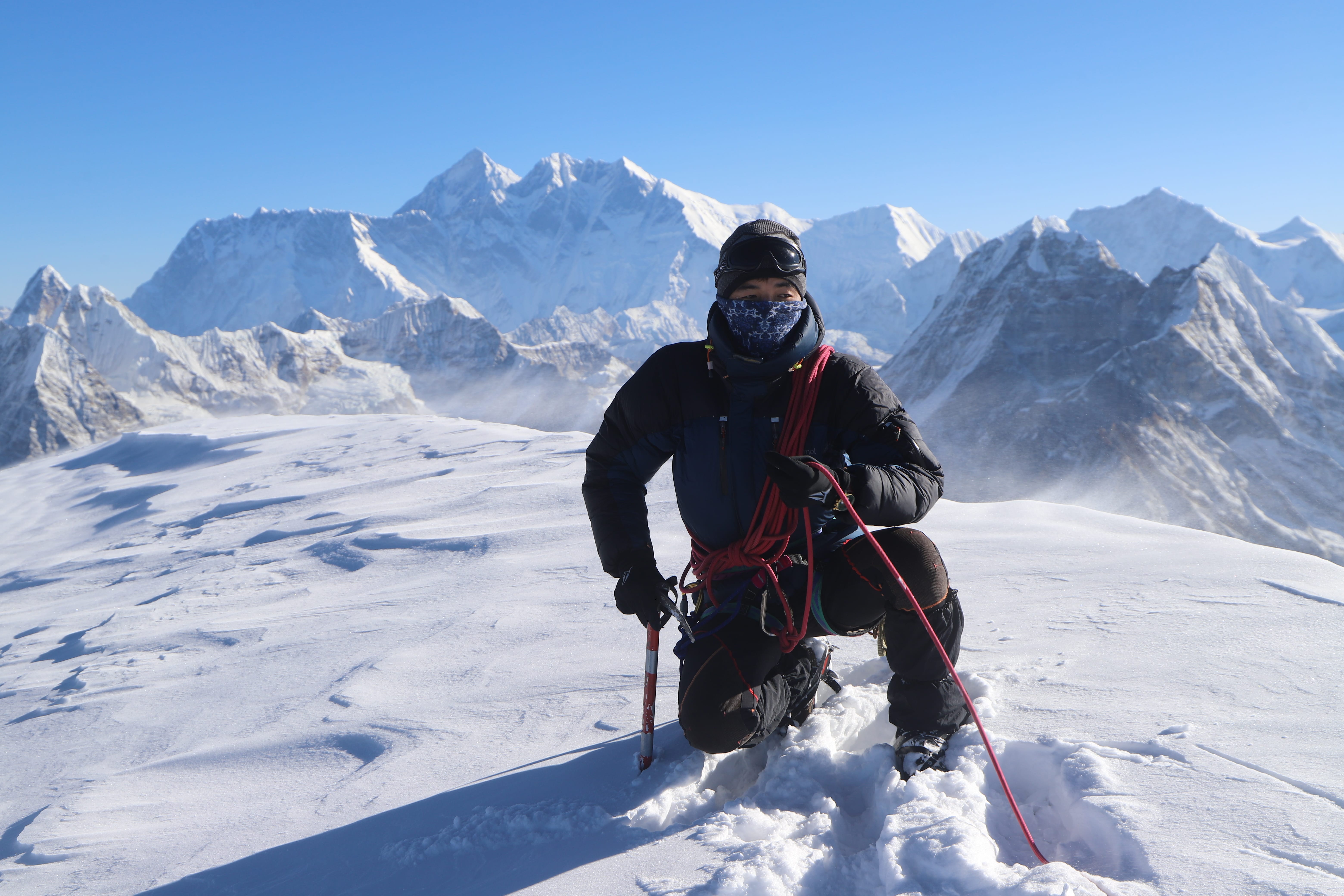
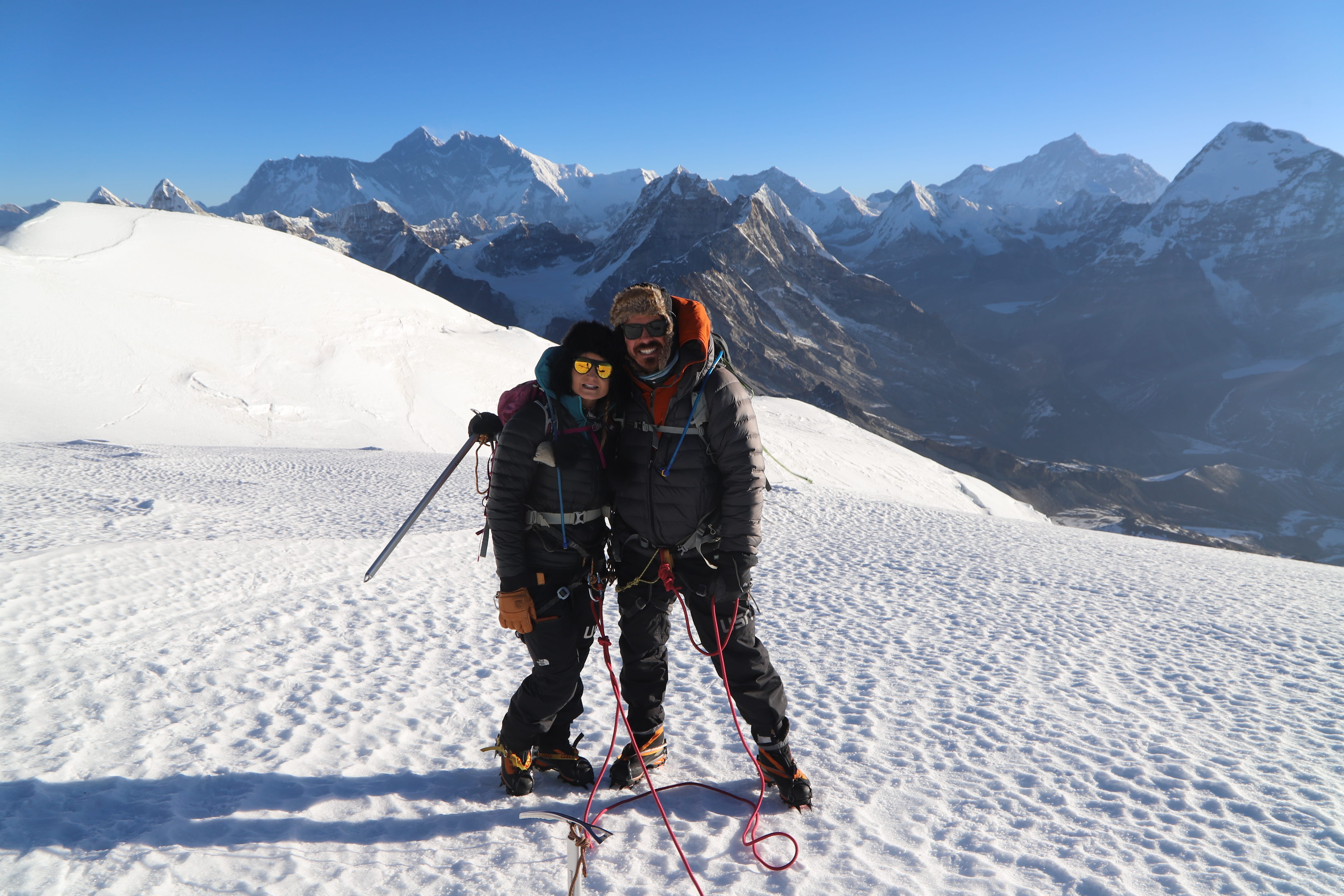
The reward at the summit is nothing short of extraordinary. From the top of Mera Peak, climbers are treated to one of the widest panoramic views in Nepal, including five of the world’s highest mountains: Mount Everest, Lhotse, Makalu, Cho Oyu, and Kanchenjunga. Standing above the clouds with these giants surrounding you is a moment that defines the spirit of Himalayan adventure. Mera Peak is often described as a walk able peak, requiring no advanced technical climbing skills, yet it demands strong physical fitness, mental determination, and proper acclimatization. With experienced guides, well-planned itineraries, and the right preparation, the climb is both safe and deeply rewarding.
In this blog, we will explore everything you need to know about the Mera Peak expedition for 2026 from itineraries and best seasons to permits, preparation tips, and what makes this climb a life-changing experience for trekkers and aspiring mountaineers alike.
Peak height: This peak height is 6476 m above sea level.
Region: This peak is located in Hinku valley, east of the Everest region. Mera peak lies far from the busy Everest trails, offering a peaceful and pristine environment
Trip Duration: This trek takes a 14-18 days.
Difficulty level: Moderate to Challenging (high altitude trekking with basic mountaineering skilled require).
Best Season: autumn and spring season
Spring (March-May) is one of the best seasons for mera peak climbing.
• Stable weather and mild temperatures
• Clear mountain views
• Blooming rhododendron forests on lower trails
• Good snow conditions for summit climbing
This season is popular among climbers because of reliable summit success and comfortable trekking condition.
Autumn (September –November) season is the most popular and recommended season for mera peak.
• Crystal-clear skies and excellent visibility
• Dry trails after the monsoon
• Stable snow conditions at higher altitude
• Comfortable daytime temperatures
Autumn offers breathtaking views of Makalu Everest and other Himalayan giants.
• Nepal’s highest trekking peak at 6476 meters.
• Remote and less-crowded trail through the hinku valley
• Stunning views of five 8,000-meter peaks
• Glacier walk and snow climbing experience
• Ideal introduction to high altitude mountaineering
• Rich Sherpa culture and untouched landscapes
• The Adventure Begins: Journey to the Trailhead
DAY-1 ARRIVAL in Kathmandu (1,350 M / 4,429 ft)
DAY-2 Rest day in kathmandu ( shopping and sightseeing)
DAY-3 Fly to Lukla and trek to paiya (2730m/8,956ft)
DAY-4 Trek to panggom ( 2850m/ 9350 ft )
DAY-5 Trek to Ramailo Danda (3,276 m / 10,748ft)
DAY-6 Trek to chatrakhola (3,600m/11,811ft)
DAY-7 Trek to Kothe (3,600m/11,811ft)
DAY-8 Trek to Thangnak (4,356 m/14,291ft)
DAY-9 Trek to Khare ( 5,045m/16,551ft)
DAY-10 Acclimatization and preparation day in Khare
DAY-11 Trek to Mera Base camp ( 5,300m/17388ft)
DAY-12 Trek to Mera high camp ( 5780m/18963ft)
DAY-13 Summit Mera Peak (6,476m/21,246ft) and descend to Khare
DAY-14 Trek to Kothe (3600m/11,811ft)
DAY-15 Trek to Thullikharka (4,200m/13,779ft)
DAY-16 Trek to Lukla (2800m/9,186 ft) via Zatrwa la pass (4670m/15,321ft)
DAY-17 Fly to Manthali/Kathmandu
DAY-18 Free Day in Kathmandu ( shopping and sightseeing)
DAY-19 Departure from Nepal
1. Mera Peak Climbing Permit ( NMA permit )
2. Makalu Barun National Park Entry Permit
Issued by: Department of national parks and wildlife conservation
3. Khumbu pasang Lhamu Rural Municipality permit
Issued by : Local Government (Khumbu Pasang Lhamu Rural Municipality)
As the journey progresses, the landscape changes dramatically. Crossing high passes and descending into the Hinku Valley, trekkers enter a world of wide valleys, alpine meadows, and towering peaks. Villages become fewer, and nature takes over completely. The trek passes through Kothe and Thangnak, small settlements surrounded by glaciers and dramatic mountain walls. These are key acclimatization stops before moving higher toward Mera Base Camp.
The trail from Mera Base Camp leads onto the Mera Glacier, marking the start of the true climbing section. Walking on snow and ice, climbers slowly make their way to Mera High Camp, perched dramatically above the glacier. High Camp offers breathtaking sunset views over Makalu and Everest, creating a sense of anticipation for the summit day ahead.
Summit Day: Reaching the Top of Mera Peak
Summit day begins early, often before midnight. Equipped with headlamps and climbing gear, climbers ascend steadily across snow slopes and gentle ridges. The climb is physically demanding due to altitude, but technically straightforward. As the sun rises, the Himalayan giants appear one by one. Standing on the summit of Mera Peak is a moment of pure achievement and surrounded by endless snow peaks and a feeling of standing on top of the world.
After celebrating the summit, climbers carefully descend back to High Camp and continue toward lower elevations over the next few days. The return journey offers a chance to reflect on the achievement while enjoying the beauty of the valleys from a new perspective. The trek concludes back in Lukla, followed by a flight to Kathmandu, marking the end of an unforgettable Himalayan adventure.
During the trek, accommodation is mainly in Local teahouses, offering basic but comfortable lodging. At higher camps, tented camping is used. Meals include a mix of local Nepali dishes and international options, providing the energy needed for high- altitude trekking.
For beginners dreaming of standing on a Himalaya summit, mera peak is often the ideal choice. The routes doesn’t require advanced technical climbing skills, and the slopes are generally gradual. With basic training in the use of crampons, ice axes, and ropes, beginners can confidently attempt the climb under the guidance of experienced Sherpa climbers. The long approach trek through the remote Hinku Valley allows gradual acclimatization, which is ideal for first-time climbers. This slow ascent helps the body adapt naturally to altitude while building physical endurance and mental confidence. With well-planned itineraries, safety-focused guidance, and supportive team environments, Mera Peak provides beginners with a safe, achievable, and highly rewarding introduction to Himalayan mountaineering. If you are planning to climb next expedition, Mera peak climbing 2026 offers the perfect opportunity for beginners.
For experienced climbers, Mera Peak offers a serious high-altitude challenge combined with a peaceful and less-crowded route. Although the climb is not technically demanding, the altitude of 6,476 meters tests stamina, acclimatization strategies, and mental strength. This makes Mera Peak an excellent choice for climbers preparing for more technical or higher expeditions like Amadablam, and others.
Experienced mountaineers also appreciate the remote nature of the Hinku Valley and the breathtaking summit panorama. From the top, climbers enjoy unmatched views of five 8,000-meter peaks, making the climb deeply satisfying. Mera Peak serves as an ideal training and conditioning climb while still delivering a complete and authentic Himalayan adventure.
Proper acclimatization is crucial for Mera Peak climbing. Rest days are carefully planned to allow the body to adapt to altitude. During these days, climbers practice basic climbing skills such as using crampons, ice axes, harnesses, and ropes under the guidance of experienced climbing guides. This gradual acclimatization makes Mera peak climbing 2026 an ideal choice for trekkers looking to step into world of mountaineering without requiring the advanced technical skill. This preparation builds confidence and ensures safety for the summit push.
Climbing a Himalayan peak demands endurance, strength and stamina rather than extreme athletic ability. Focus on consistent training at least 8-12 weeks before your expedition.
Key areas to train:
• Cardiovascular endurance: Hiking, stair climbing, jogging, cycling, or swimming help build lung capacity and heart strength needed for long climbing days.
• Leg and core strength: Squats, lunges, step-ups, planks, and light weight training prepare your body for steep ascents, descents, and carrying a backpack.
• Hiking practice: If possible, do regular hikes with a loaded backpack to simulate trail conditions and improve balance and stamina.
• Flexibility and recovery: Stretching and yoga help prevent injuries and improve movement efficiency during long trekking days.
• Altitude awareness: You can’t fully train for altitude at home, but good fitness helps your body adapt better during acclimatization days.
Mental strength plays a huge role in high-altitude climbing, where weather, fatigue and slow progress can be challenging.
How to prepare mentally:
• Build patience: Peak climbing involves slow walking, early starts, and waiting for weather windows. Accepting this helps reduce frustration.
• Stay positive and adaptable: Conditions may change, plans may adjust, and progress may feel slow. A flexible mindset keeps morale high.
• Trust the process and the team: Follow your guide’s instructions, respect acclimatization schedules, and believe in gradual progress.
• Manage fear and discomfort: Cold temperatures, basic facilities, and physical tiredness are part of the journey. Mental readiness helps you push through safely.
• Set realistic expectation:Reaching the summit is a goal, but enjoying the journey and staying healthy is the real success.
Mera Peak has gained momentum as the climbing trends in 2025 and 2026 favor trekking peaks that combine accessibility with breathtaking Himalayan vistas. Mera peak is perfect for adventures looking to:
• Experience high altitude mountaineering
• Avoid crowded trekking routes
• Enjoy unmatched Himalayan panoramas
• Build confidence for higher and technical climbs
Himalayan king Trekking and Expedition is a trusted Nepal- based company dedicated to delivering safe, professional and unforgettable Himalayan adventures. With deep local knowledge and a passion for the mountains, we turn your dream of climbing Mera peak into a well-guided and rewarding experience. Choosing the right company is key to a safe, successful, and memorable Mera peak Climbing experience. Choosing the right company is important as choosing the right peak for own safety and comfort. Here’s why climber trust us for their Himalayan Adventure.
1. Experienced and Certified Guides: Our climbs are led by licensed, highly experienced Sherpa guides with proven high-altitude climbing expertise. They are trained in mountain safety, first-aid and rescue procedures, ensuring your journey is safe and well managed.
2. Safety comes first
We follow strict safety standards, including:
• Proper acclimatization schedules
• High-quality climbing and safety equipment
• Regular health monitoring during the climb
• Emergency evacuation support when required
• Your safety is our top priority at every stage.
3. Well-planned Itinerary: Our Mera peak itinerary is carefully designed to balance adventure and acclimatization. We avoid rushed schedules to maximize summit success and ensure a comfortable climbing experience.
4. Quality Equipment and Logistics: We provide reliable climbing gear, well-organized logistics, comfortable tea house accommodation, and nutritious meals to keep you energized throughout the journey.
5. High summit success Rate: we maintain a strong summit success rate while prioritizing safety over speed which is important part of climbing peak
6. Responsible and sustainable tourism: We practice eco-friendly and responsible tourism, respecting local culture, supporting local communities, and minimizing environmental impact in Himalayas.
7. Personalized Service: From trip planning to post-climb support, we offer personalized attention to meet your needs, whether you’re a beginner or an experienced climber.
8. Local Expertise: As a Nepal-based company, we have deep knowledge of the mountains, weather patterns, and local conditions and giving you an authentic and well supported Himalayan Adventure with Himalayan experience.
Climbing Mera Peak in 2026 stands out as one of the most achievable and rewarding Himalayan adventures for both first-time climbers and experienced trekkers. Mera Peak Climbing is more than just reaching a summit. It’s a complete Himalayan adventure filled with solitude, challenge, and natural beauty. From remote trails and cultural encounters to glacier walks and breathtaking summit views, this journey delivers a true sense of exploration. Whether you are an aspiring mountaineer or a passionate trekker, Mera Peak offers an unforgettable path to the heart of the Himalayas. We don’t just guide you to the summit. We guide you through a complete Himalayan adventure you’ll remember for a lifetime. In summary, Mera Peak climbing in 2026 is more than just a trek; it’s a milestone adventure. With the right preparation, experienced guides, and a well-planned itinerary, reaching the summit of Mera Peak can be a safe, inspiring, and life-changing achievement.
|
Planning a Trip? Get a free consultation from our travel experts with over a decade of experience. |
Himalaya King
2025-Nov-27
Destination Guide
Standing at the crossroads of an epic decision—which Himalayan adventure calls to your soul? Will you trek the legendary trails to Everest Base Camp, circle the dramatic Annapurna massif, or push yourself to summit a 6,000-meter peak with the world's highest mountains as your audience?
Nepal isn't just a destination; it's a transformation waiting to happen. From the bustling streets of Kathmandu to the silent, snow-covered peaks that pierce the sky, this small nation holds more mountain magic per square mile than anywhere else on Earth. Whether you're a first-time trekker or a seasoned mountaineer, Nepal has an adventure perfectly matched to your dreams, fitness level, and available time.
This comprehensive guide brings together everything you need to know about Nepal's most iconic treks and peak climbing expeditions. We'll walk you through each adventure in detail, compare your options, break down costs transparently, and help you make the confident choice that turns your Himalayan dream into reality.
Before we dive into specific treks and climbs, let's talk about why Nepal stands apart as the world's ultimate mountain destination.
Nepal hosts Mount Everest (8,848m), Kanchenjunga (8,586m), Lhotse (8,516m), Makalu (8,485m), Cho Oyu (8,188m), Dhaulagiri (8,167m), Manaslu (8,163m), and Annapurna I (8,091m). No other country on Earth can match this concentration of giant peaks. When you trek or climb in Nepal, you're walking among legends.
The mountains of Nepal aren't empty wilderness—they're home to resilient communities who have lived at these altitudes for centuries. Sherpa, Gurung, Tamang, and Thakali people maintain ancient traditions, Buddhist monasteries, and a way of life intimately connected to the mountains. Your trek becomes a cultural immersion as much as a physical challenge.
From gentle valley walks to technical peak ascents, Nepal offers adventures for everyone. You don't need to be an elite athlete to experience the Himalayas. Well-developed teahouse networks, experienced guides, and carefully designed itineraries make these mountains accessible while maintaining their wild character.
Compared to trekking in Patagonia, the Alps, or other mountain ranges, Nepal offers exceptional value. Your money goes further here, and more of it directly benefits local communities. By booking with a Kathmandu-based agency like ours, you ensure fair wages for guides and porters while getting professional service at honest prices.
Timing your adventure correctly makes an enormous difference. Nepal's weather is seasonal, and choosing the right window can mean the difference between crystal-clear mountain views and cloudy disappointment.
1) Spring (March - May): Peak Season
Spring is arguably the best time for most Nepal treks and climbs. As temperatures rise and winter snow melts, you'll experience stable weather, excellent visibility, and the spectacular sight of rhododendron forests exploding in brilliant reds, pinks, and whites.
Advantages:
· Rhododendron blooms at lower elevations
· Longer daylight hours
· Lower avalanche risk as snow consolidates
· Best for high-altitude peak climbing
Considerations:
· Popular season means more trekkers on main routes
· Higher accommodation prices in peak months
· More dust on trails at lower elevations
· Flight delays to Lukla can occur but less common than autumn
Best for: Everest Base Camp, Mera Peak, Island Peak, Lobuche East, Annapurna Circuit
2) Autumn (September - November): Prime Time**
Autumn rivals spring as the best season, particularly October. After monsoon rains clear the atmosphere, you'll enjoy crisp air, perfect temperatures, and some of the clearest mountain views of the year.
Advantages:
· Crystal-clear post-monsoon visibility
· Stable, dry weather with minimal precipitation
· Comfortable temperatures for trekking
· Festive season (Dashain, Tihar) offers cultural experiences
· Excellent for photography
· Lower elevations still green from monsoon
Considerations:
· Most popular season—expect crowds on main trails
· Accommodation can fill up; advance booking essential
· Colder than spring, especially at night
· October flight slots to Lukla book out months in advance
Best for: All treks and climbs, especially Everest Base Camp, Annapurna Circuit, and all trekking peaks
3) Winter (December - February): Off-Season Adventures
Winter brings extreme cold and snow to high elevations, but lower-altitude treks remain accessible. If you're comfortable with cold and want solitude, winter has unique appeal.
Advantages:
· Very few trekkers—you'll have trails to yourself
· Lower prices for accommodation and guides
· Crystal-clear skies when weather is stable
· Perfect for lower-altitude treks
Considerations:
· Extremely cold at high altitude (-20°C or colder at night)
· Many high passes closed due to deep snow
· Limited teahouse operations at higher elevations
· Shorter daylight hours
· High risk for frostbite and hypothermia
· Peak climbing very dangerous
Best for: Annapurna Base Camp, Ghorepani Poon Hill, lower Everest region treks
4) Monsoon (June - August): The Quiet Season
Monsoon brings heavy rain to most of Nepal, but certain treks in rain shadow areas remain accessible. Most trekkers avoid this season, but it has advantages for specific destinations.
Advantages:
· Empty trails and total solitude
· Lowest prices of the year
· Lush, green landscapes
· Wildflowers in bloom
· Annapurna Circuit's northern sections receive minimal rain
Considerations:
· Persistent rain at lower elevations
· Clouds obscure mountain views
· Leeches on trails below 3,000m
· Muddy, slippery conditions
· Higher risk of landslides
· Frequent flight cancellations to Lukla
· Not recommended for peak climbing
Best for: Upper Mustang (rain shadow), Dolpo region, Northern Annapurna Circuit
Himalaya King
2025-Nov-30