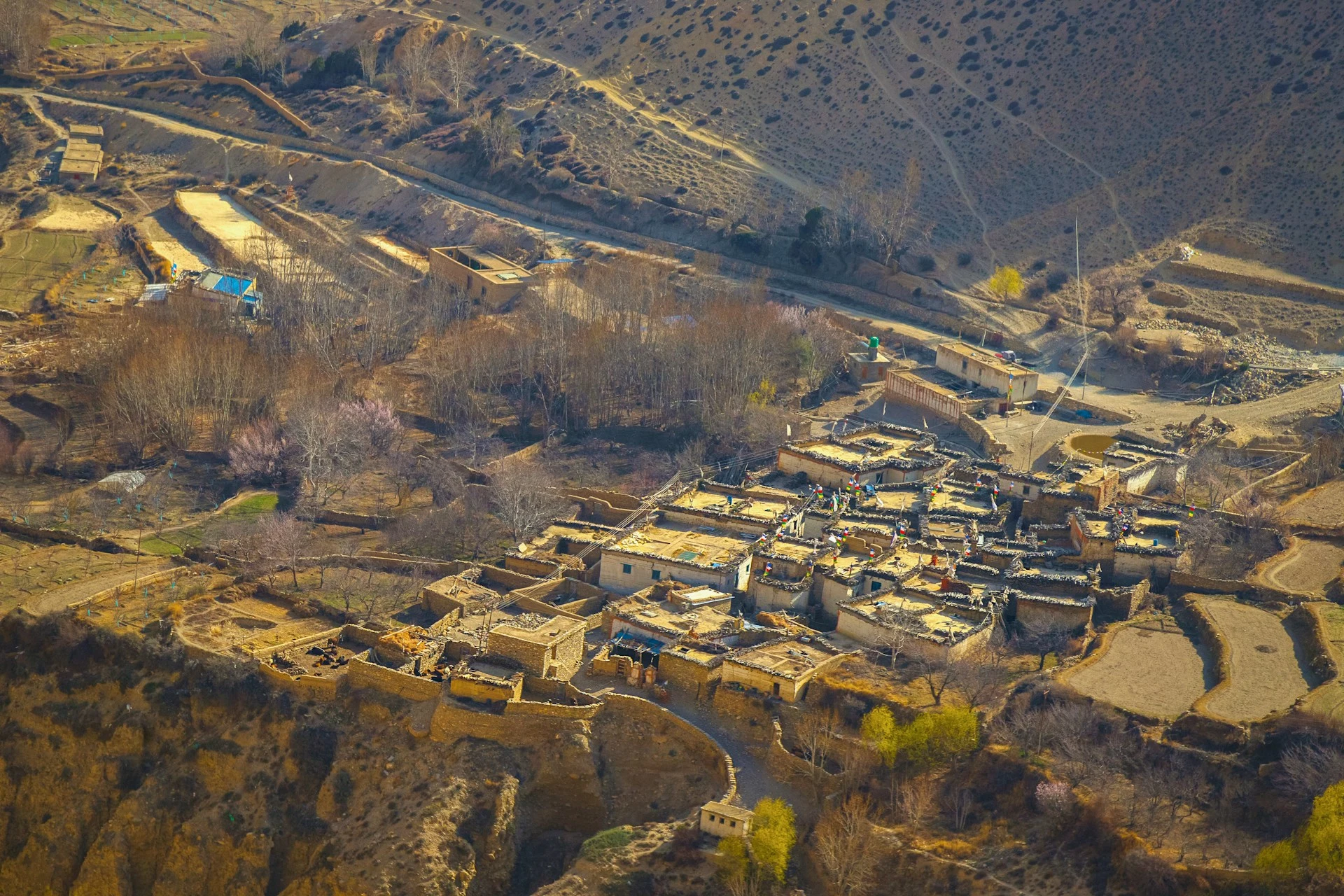
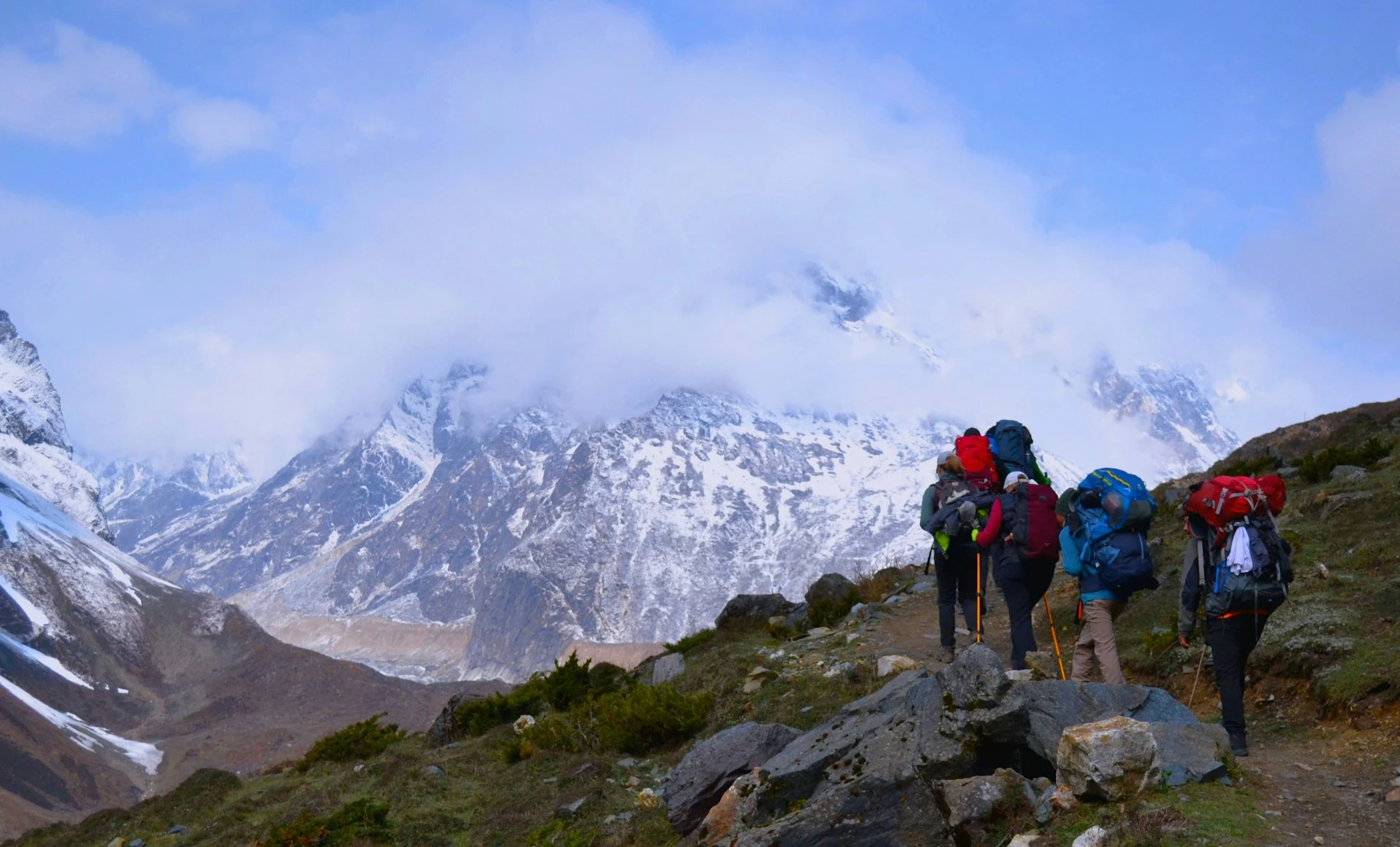
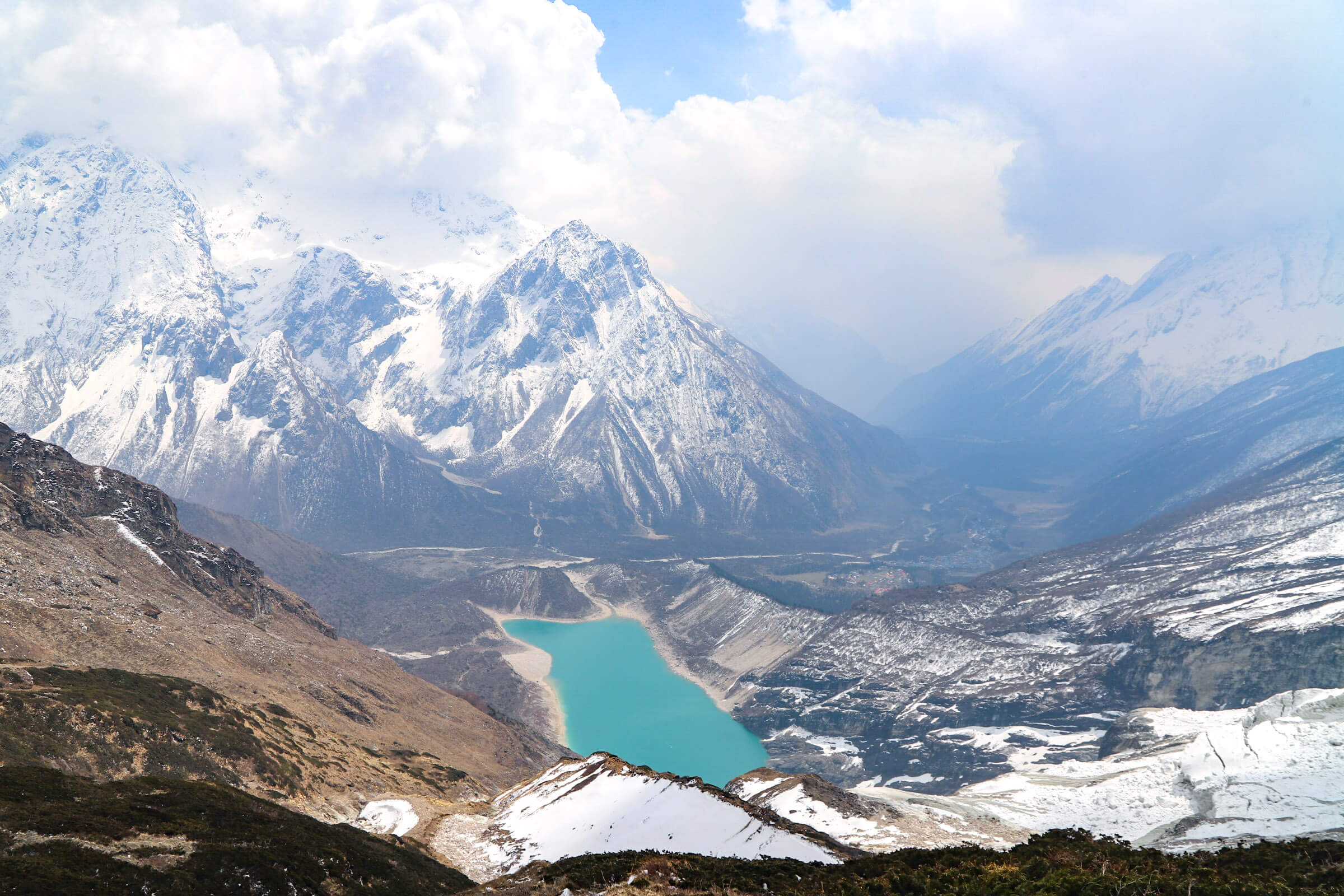
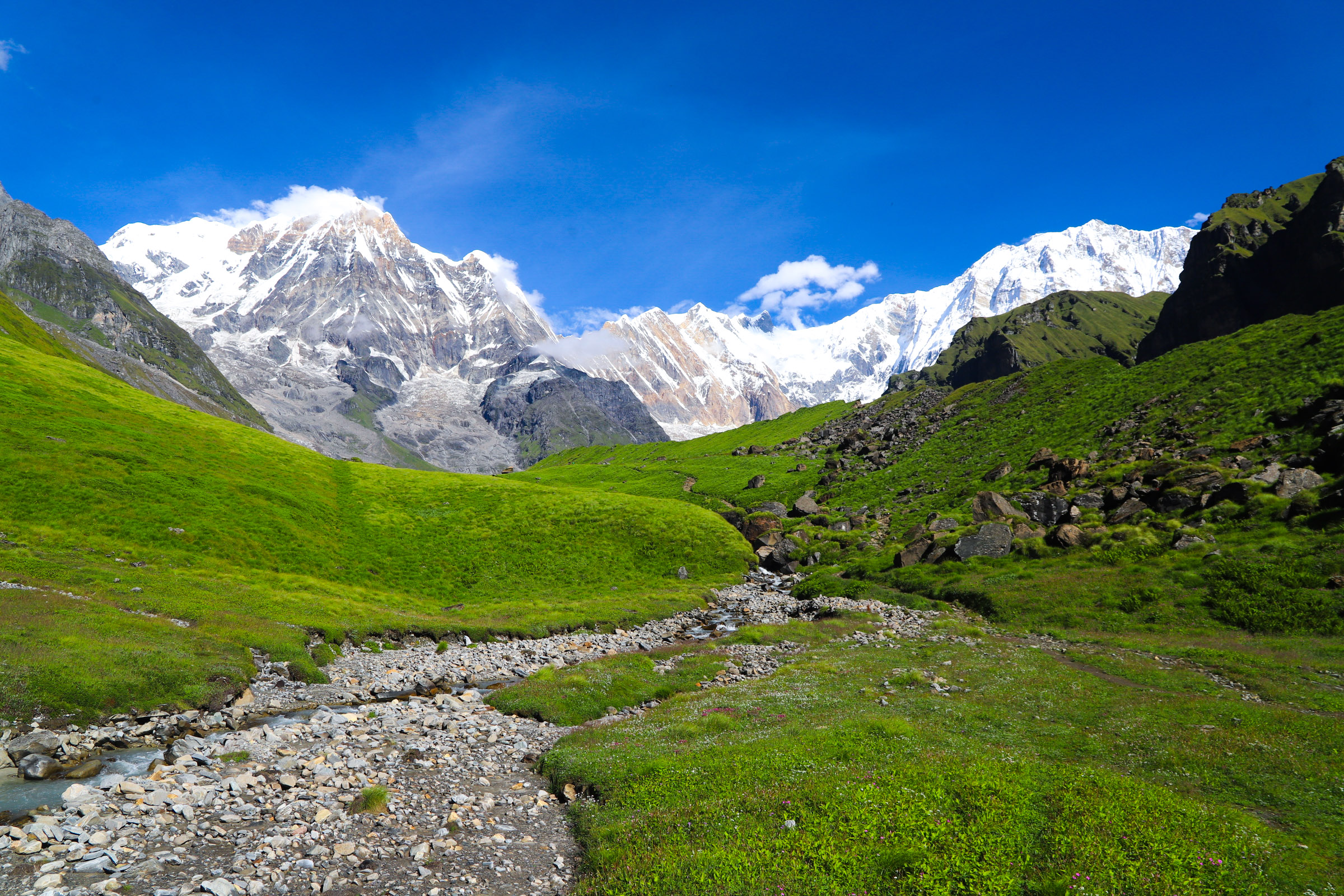
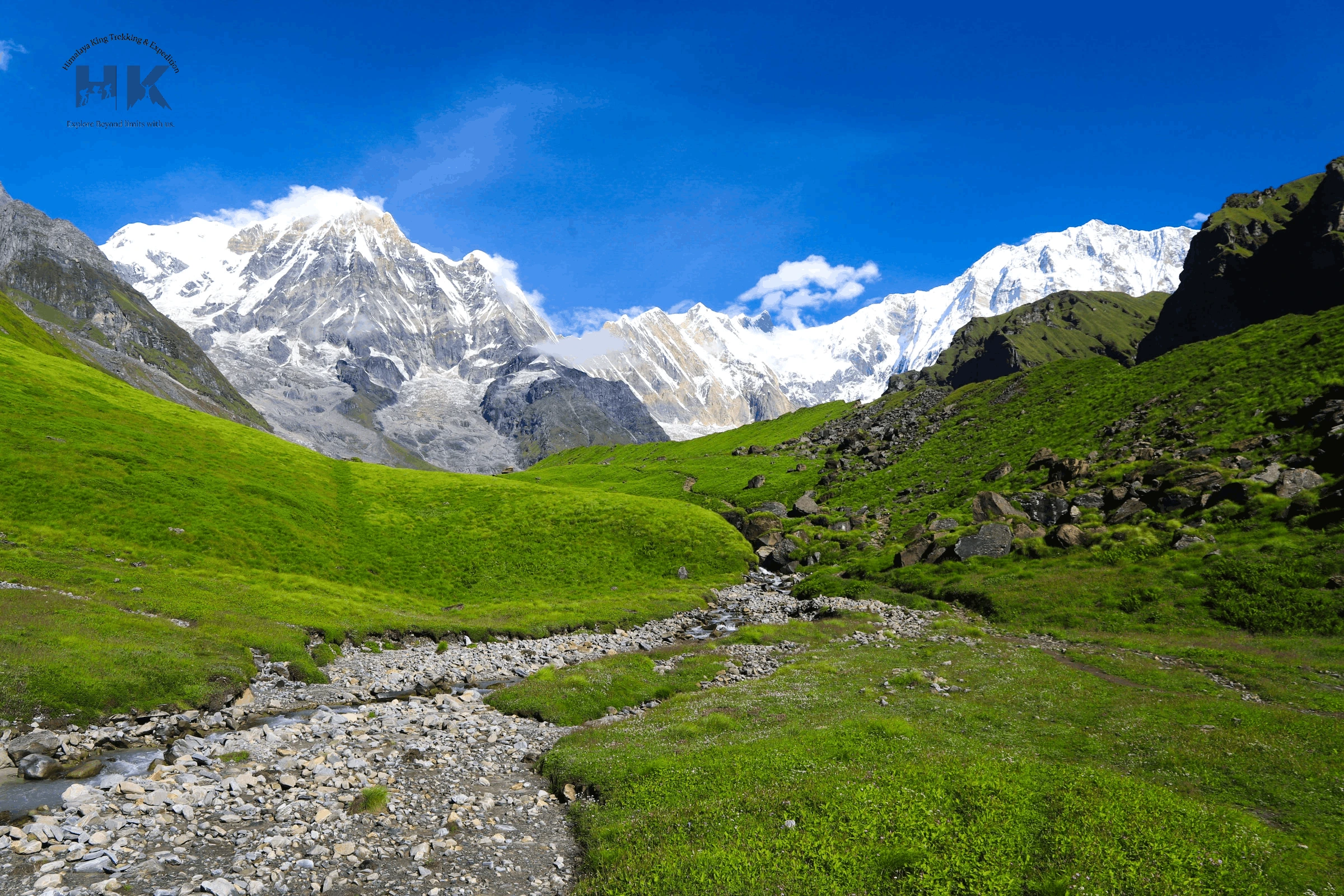
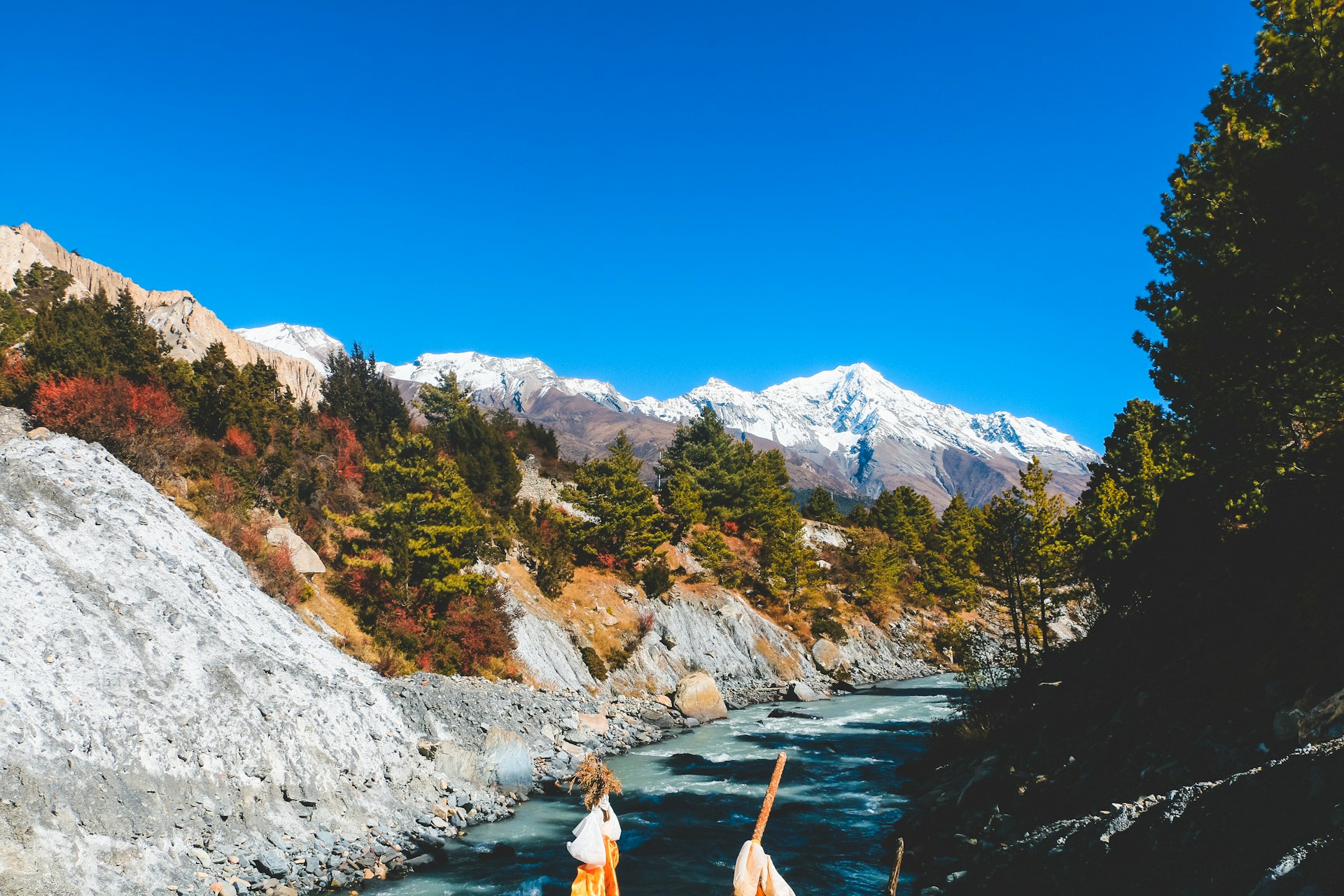
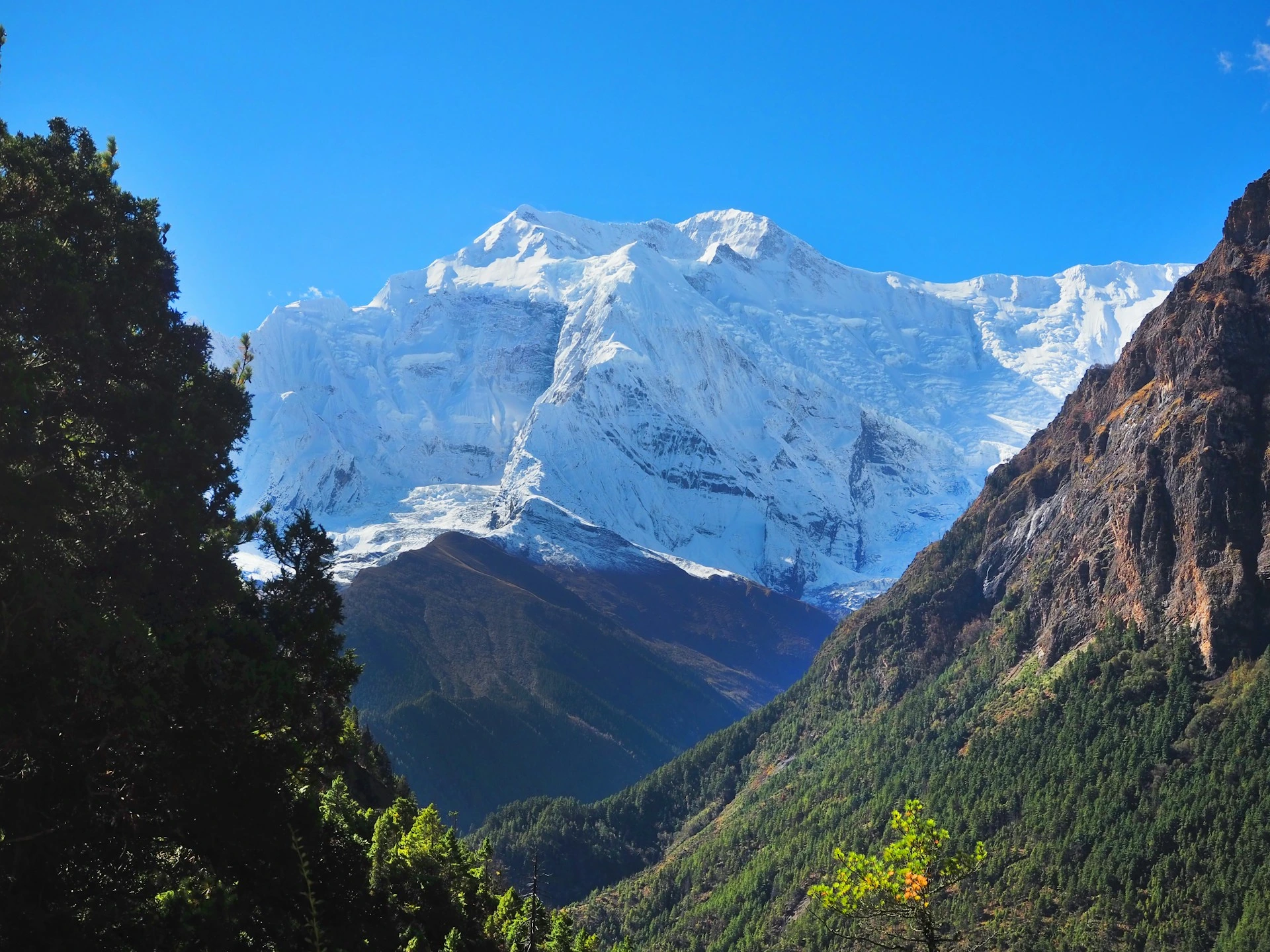
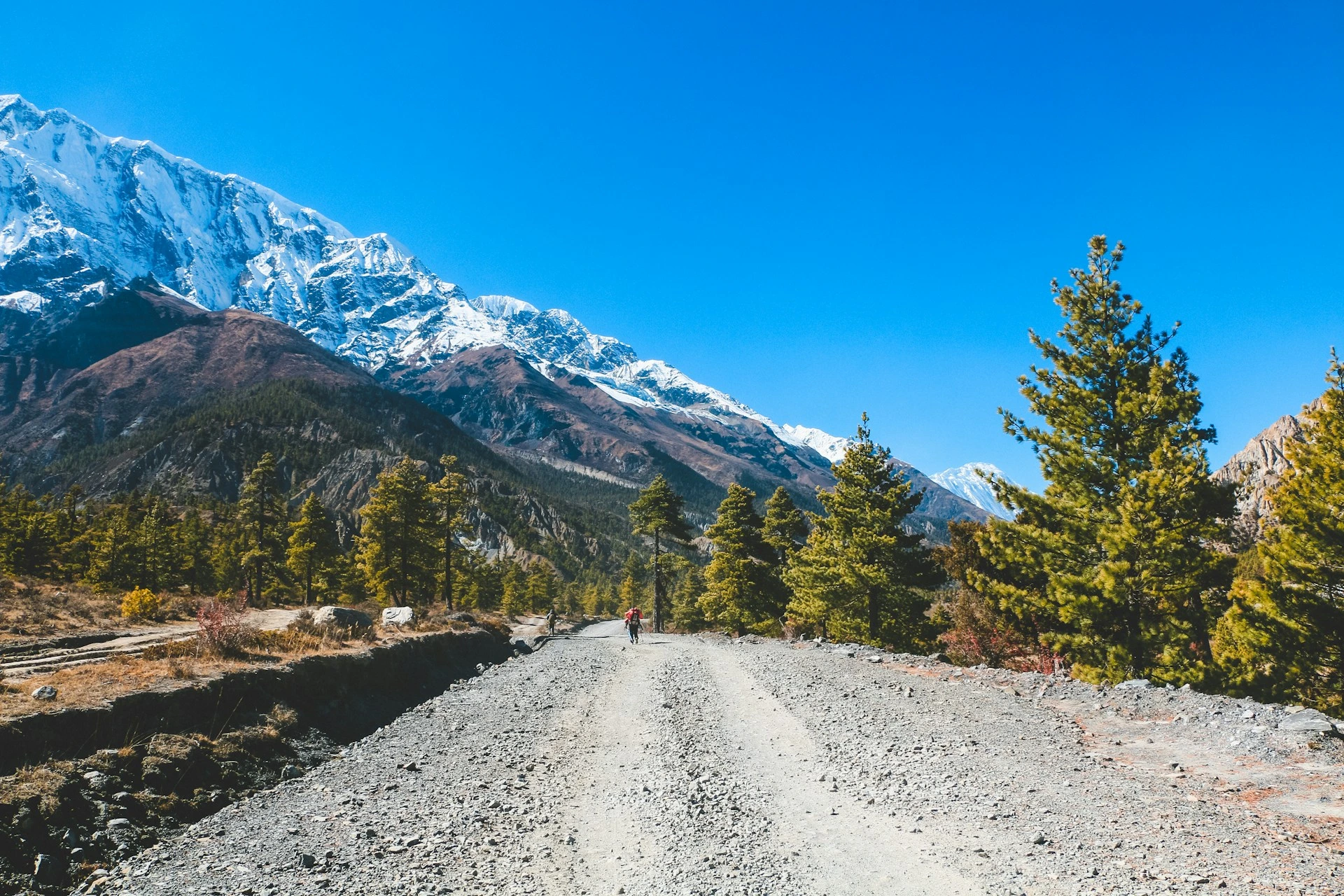
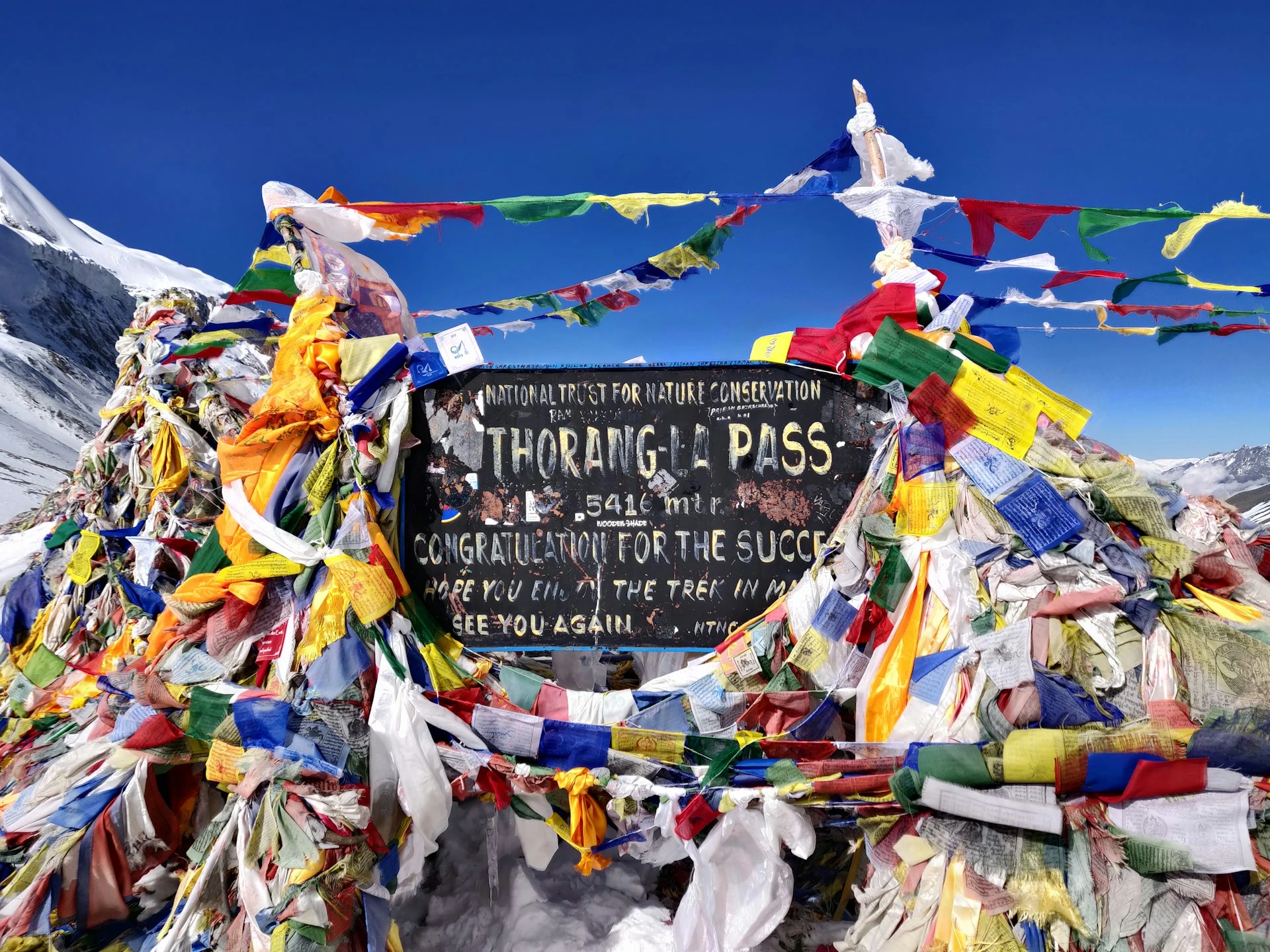
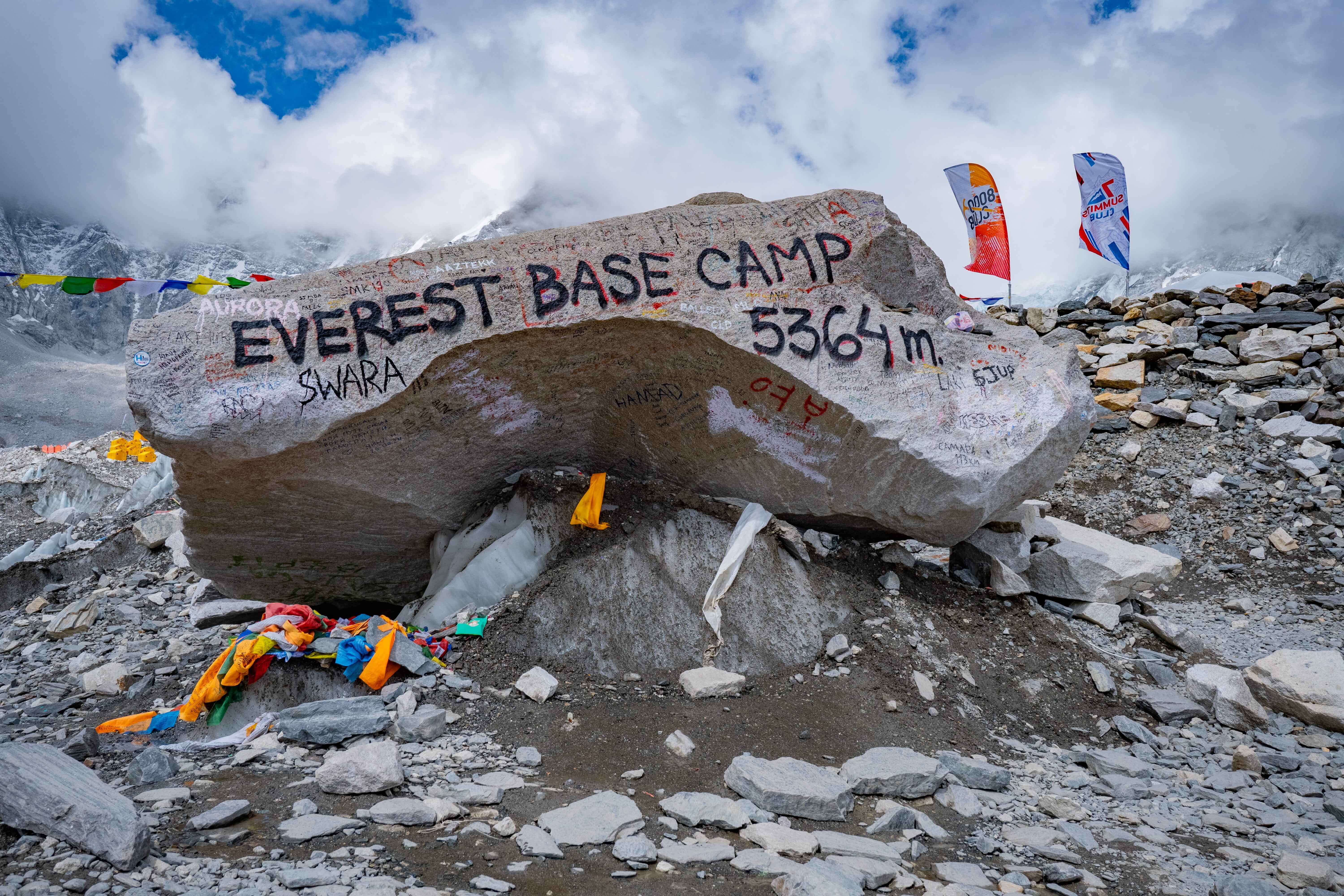
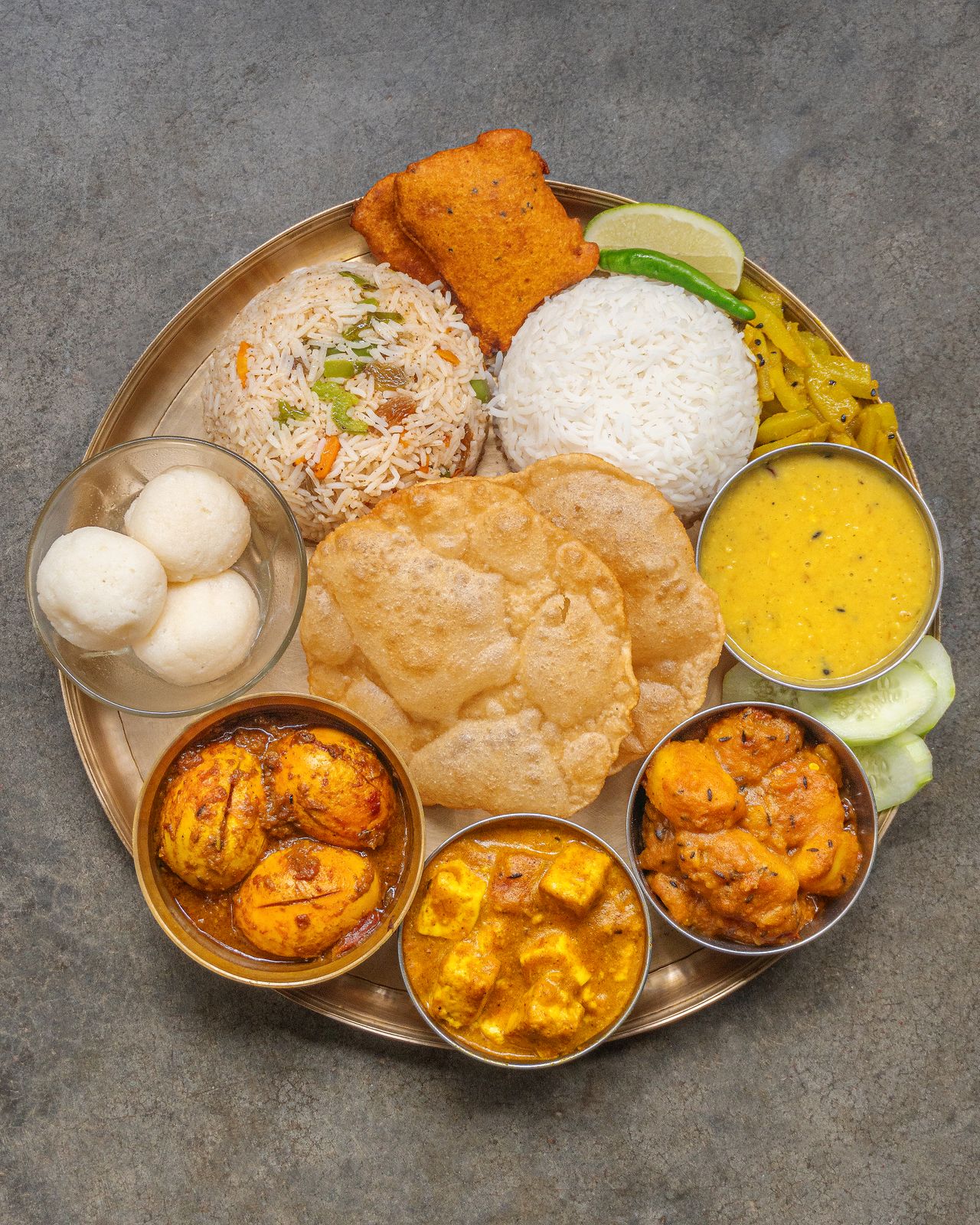
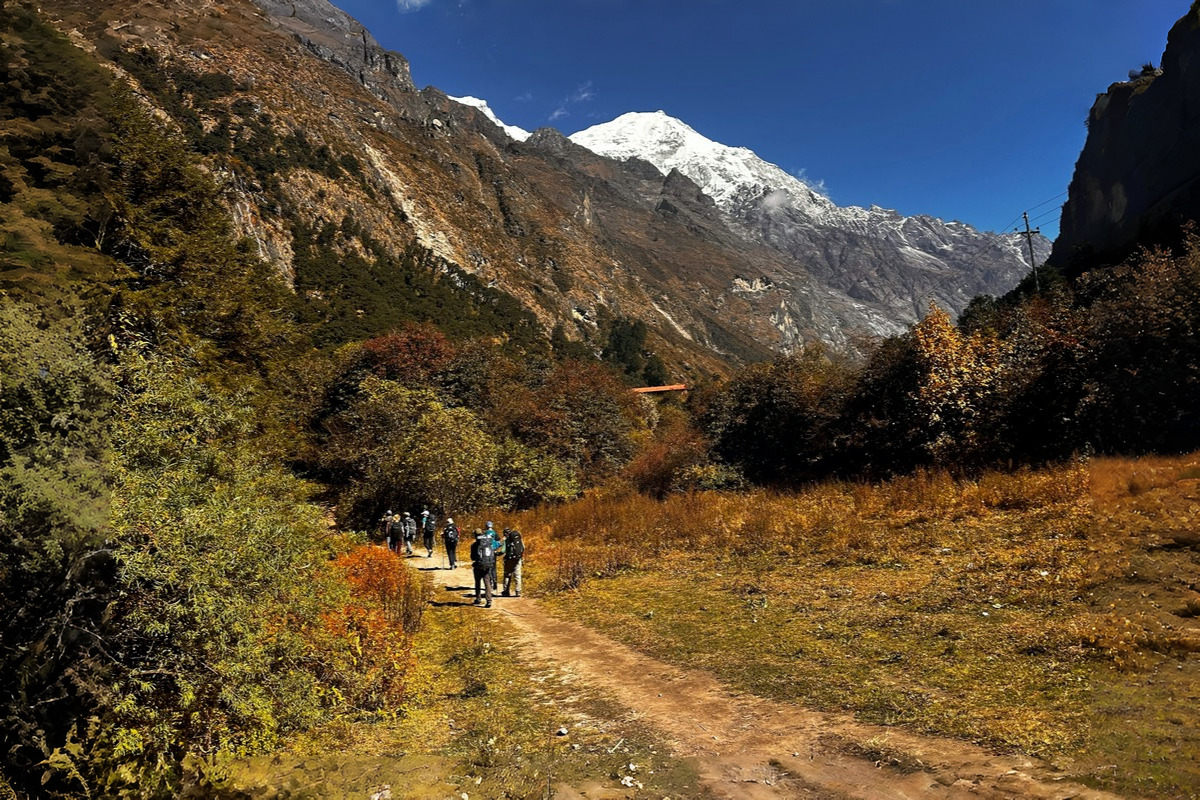
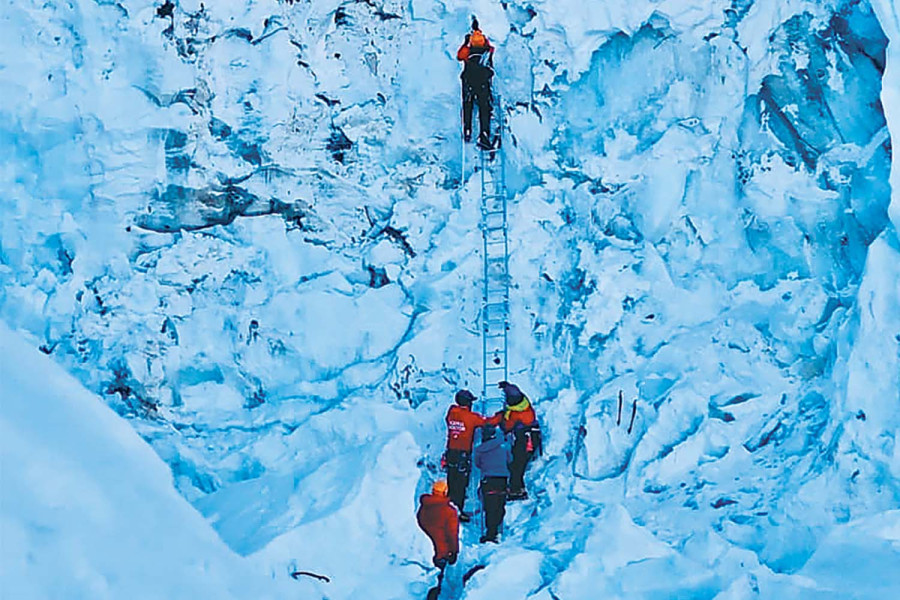
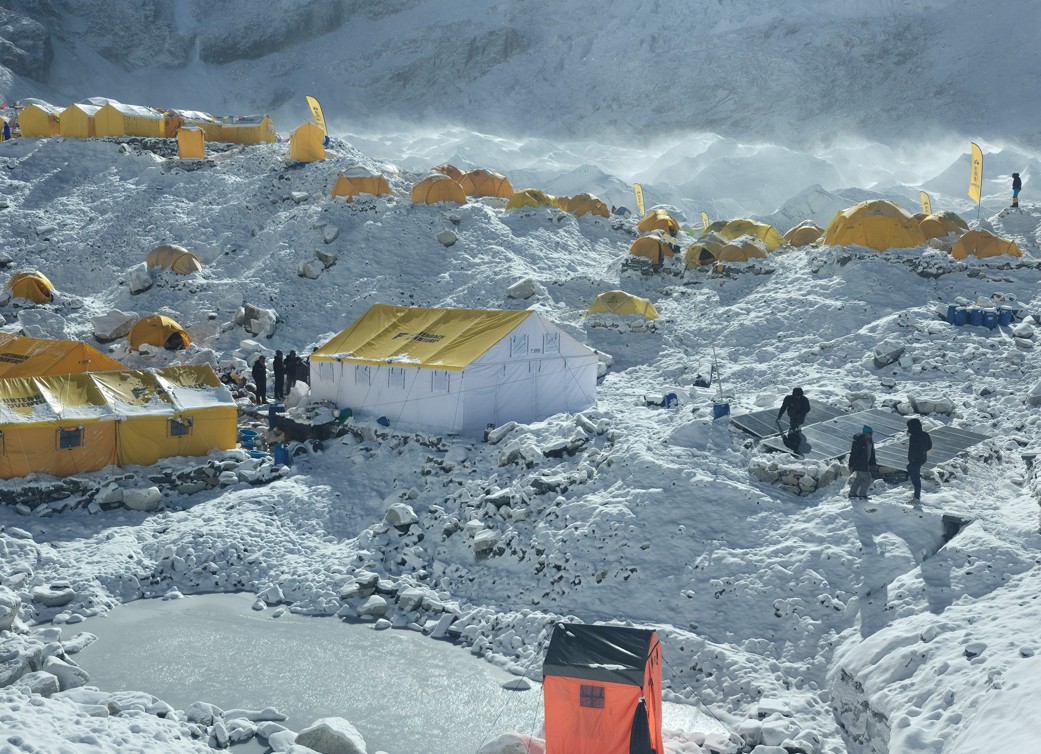
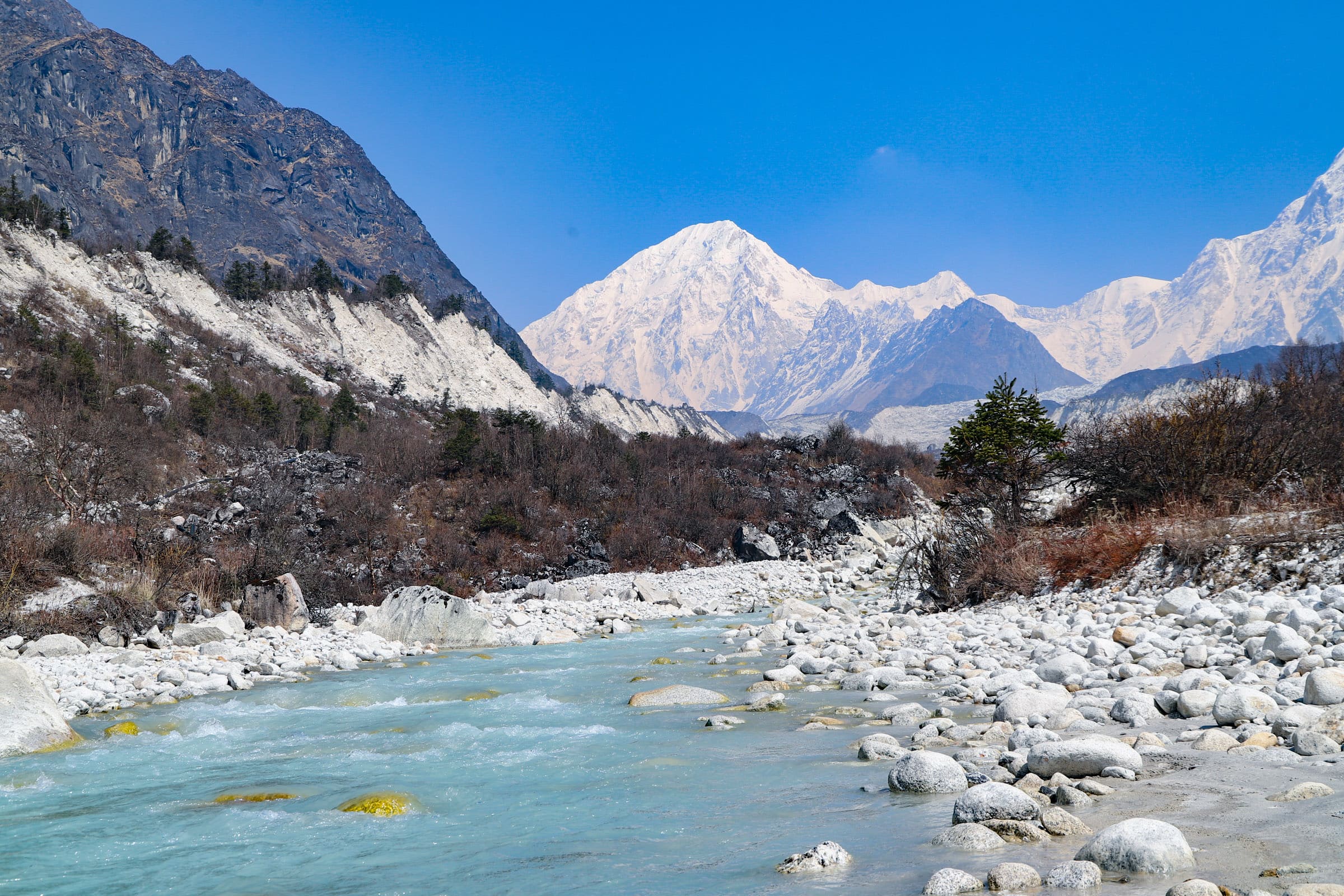
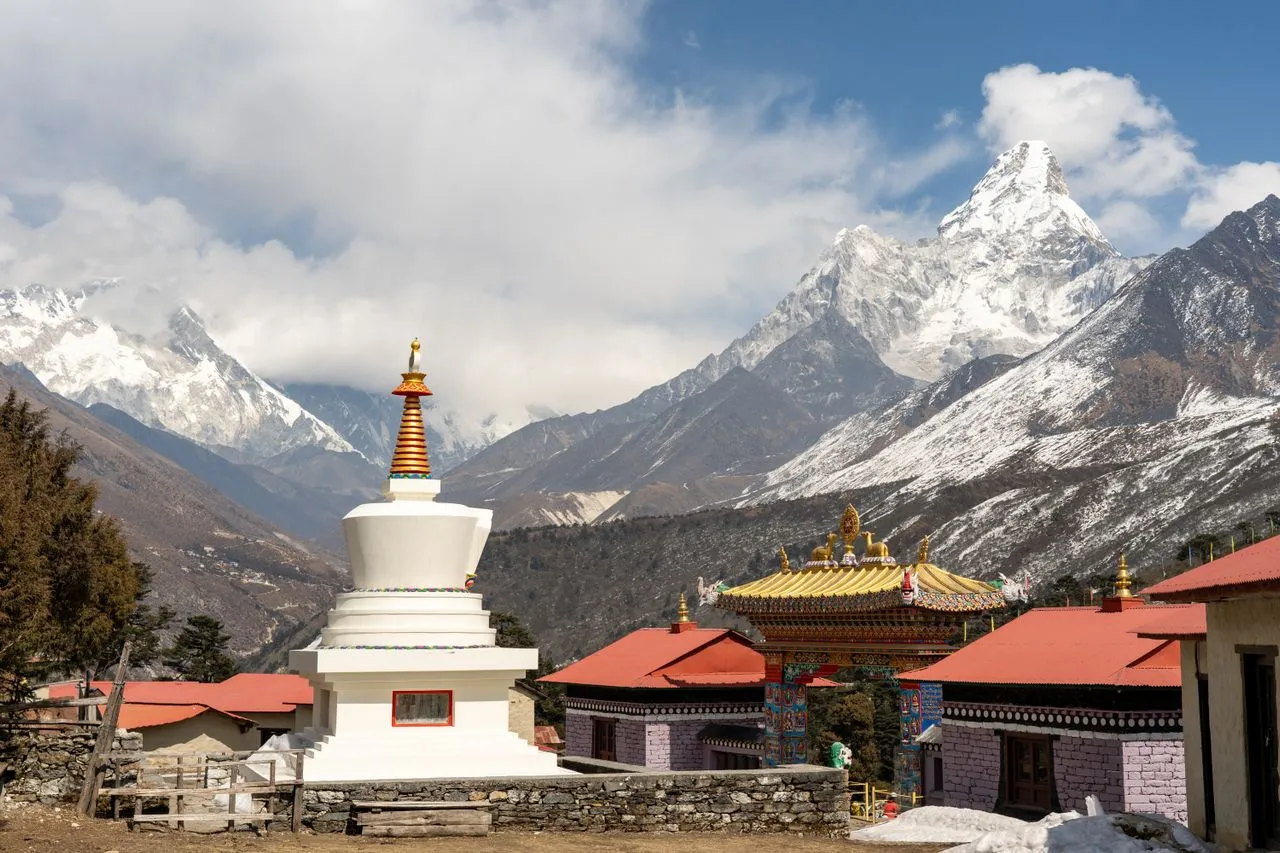
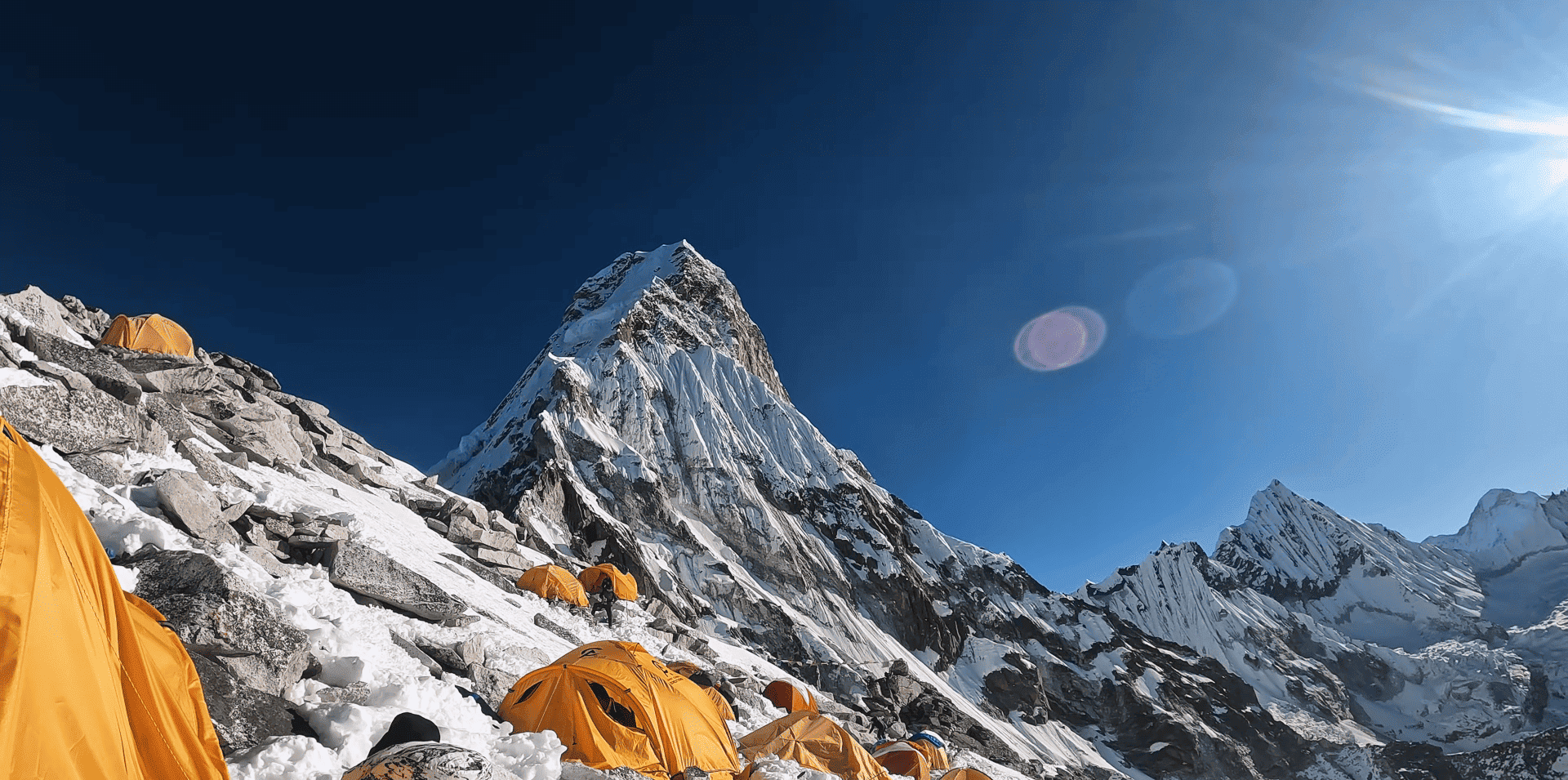
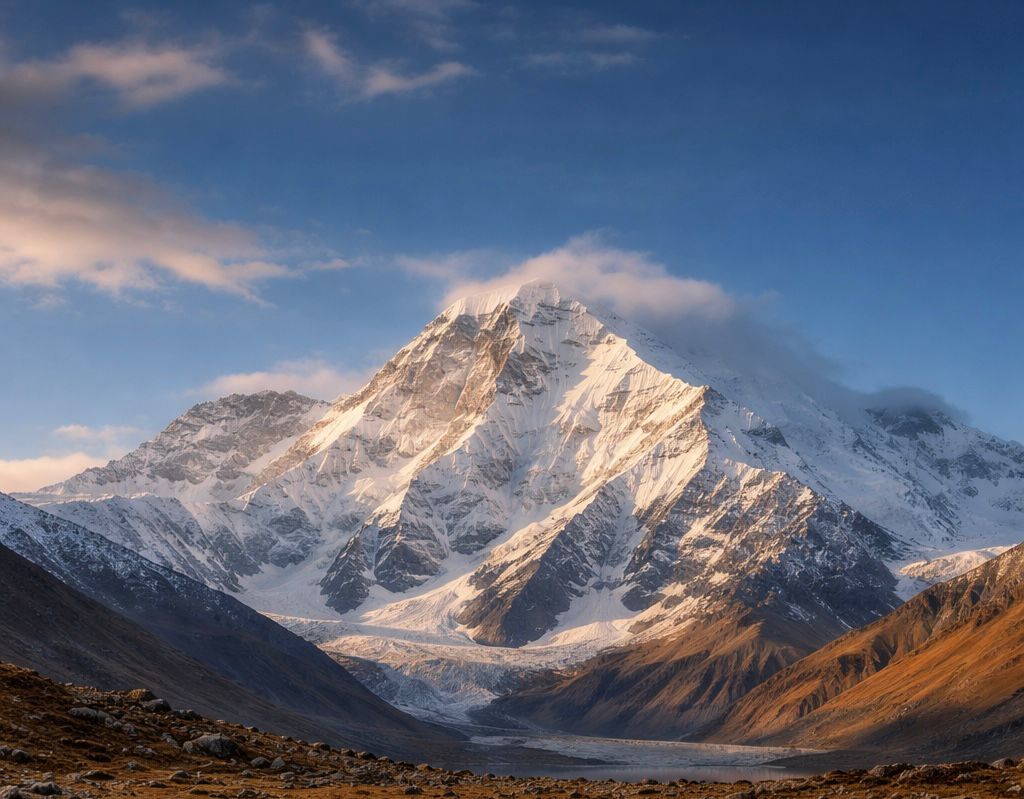
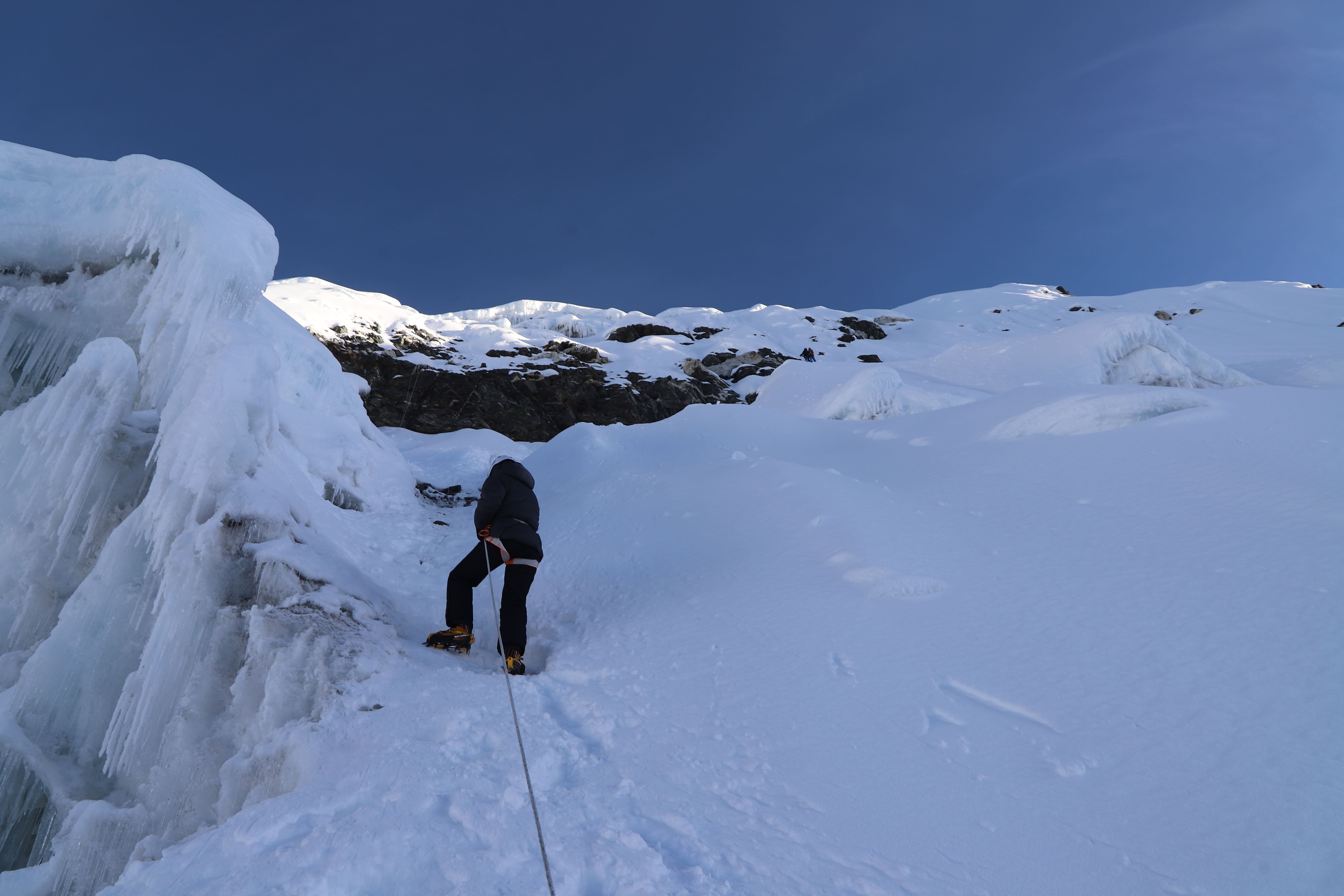
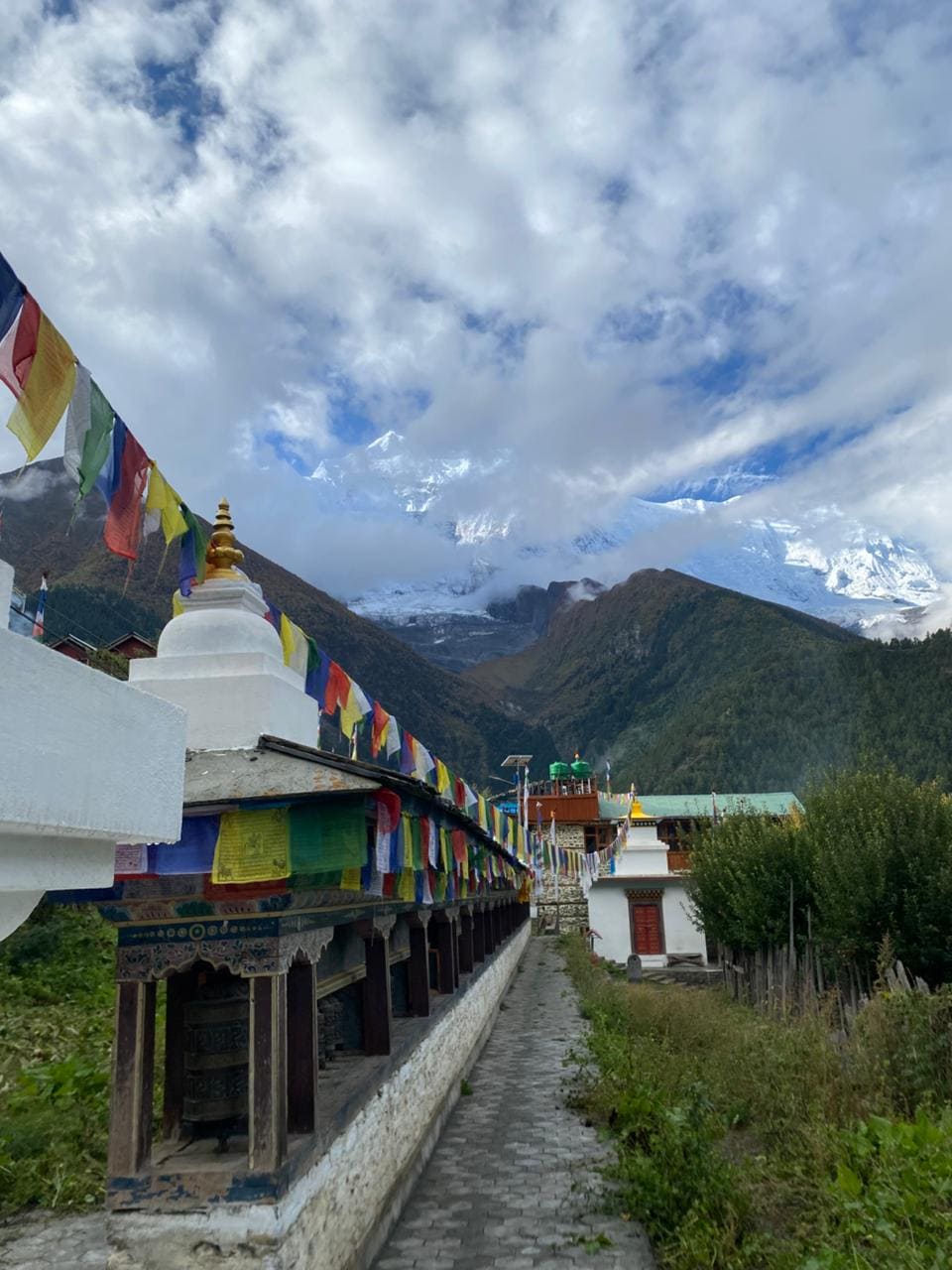
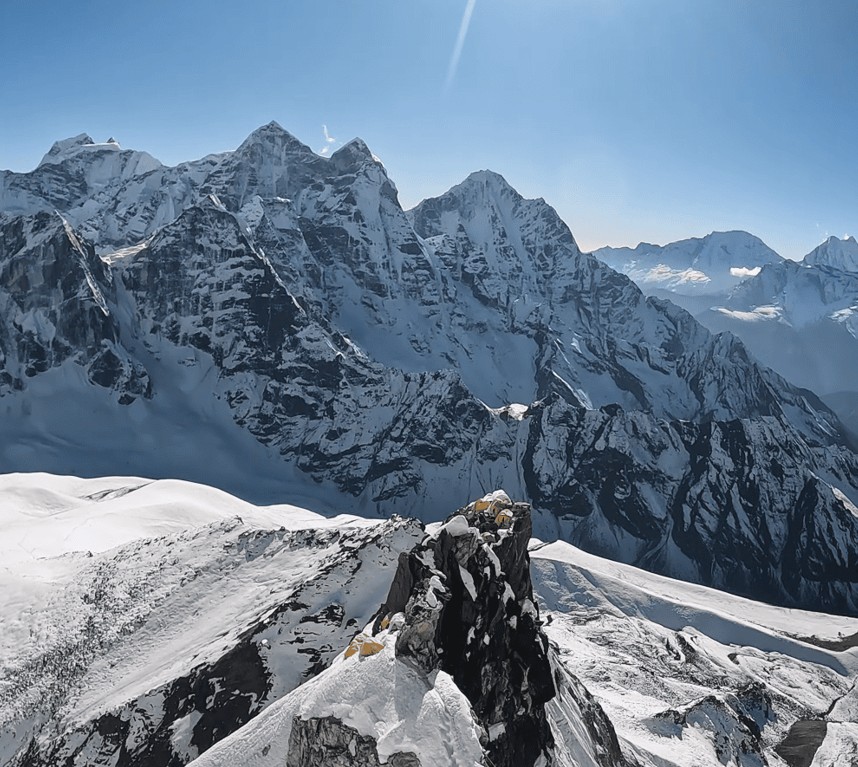
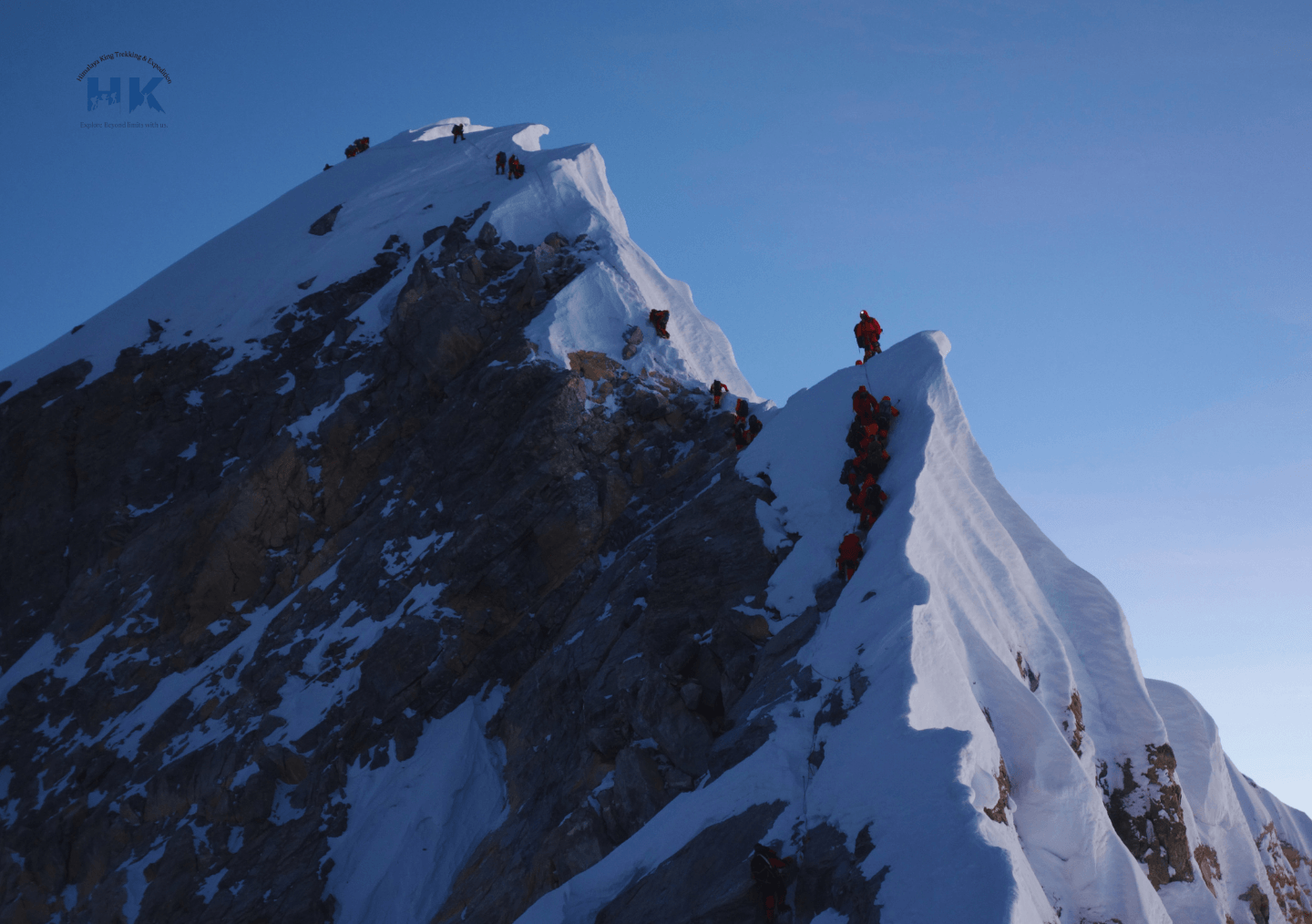
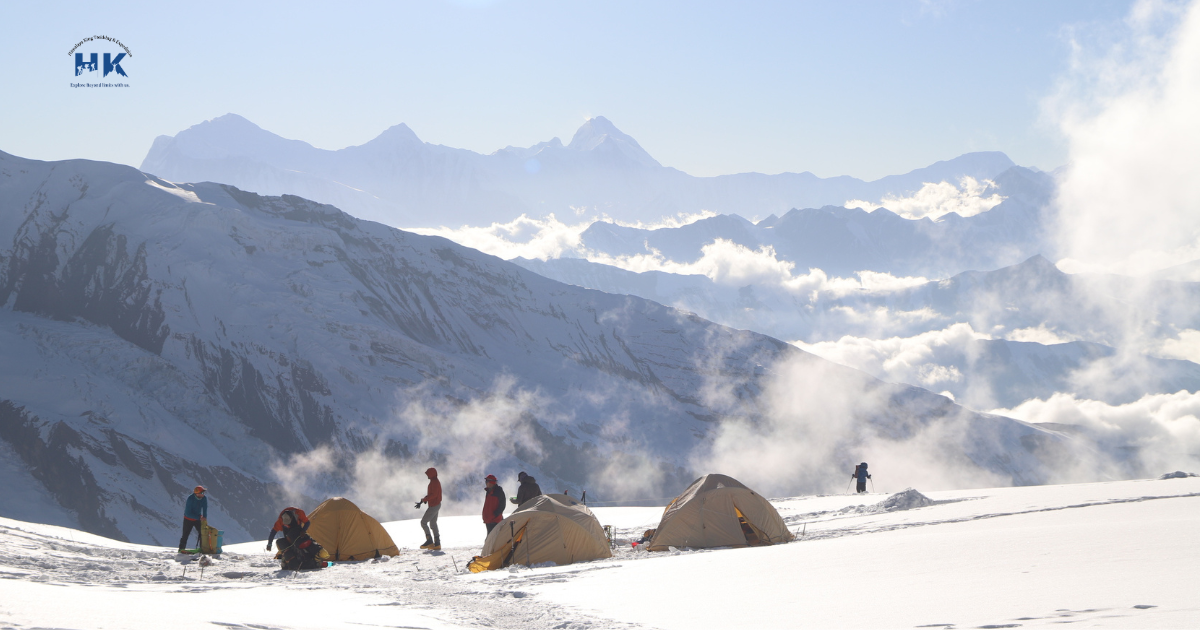
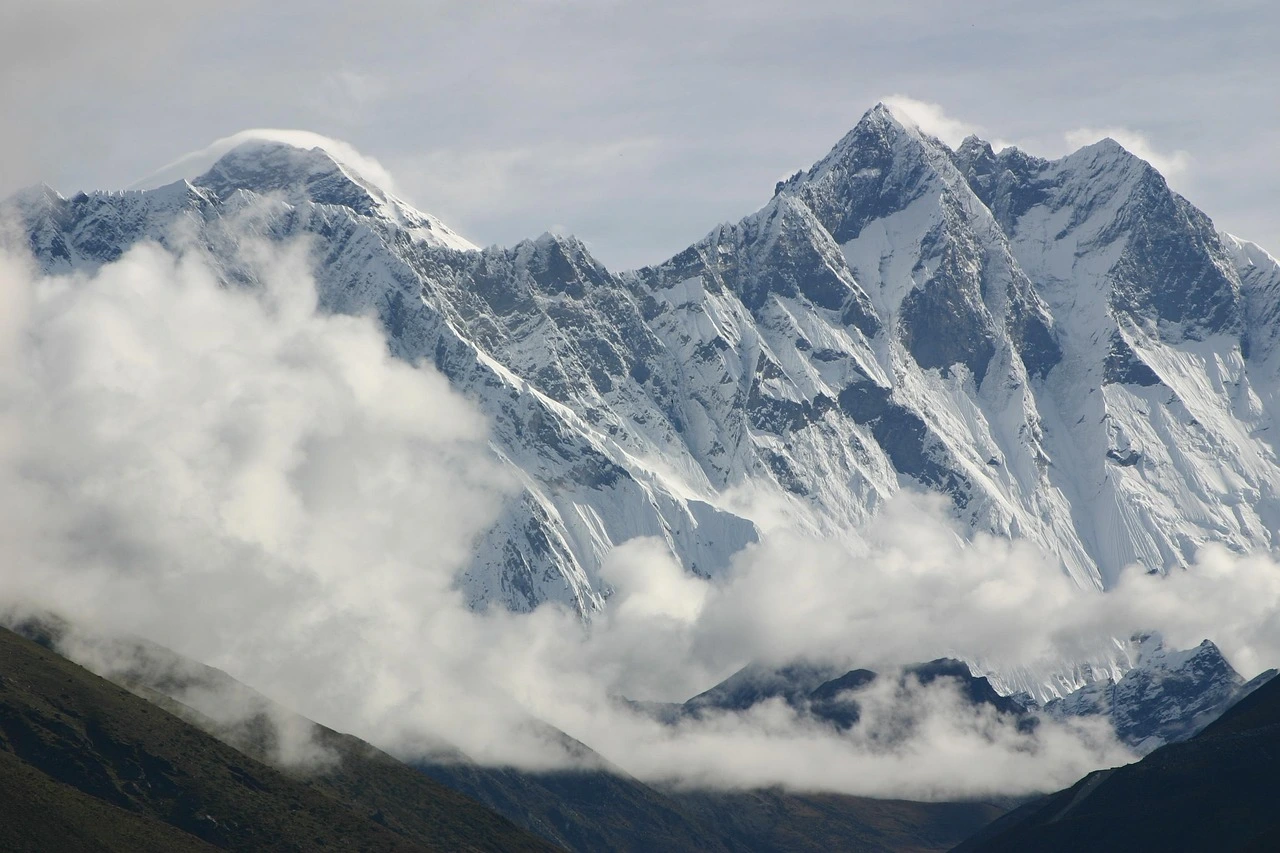
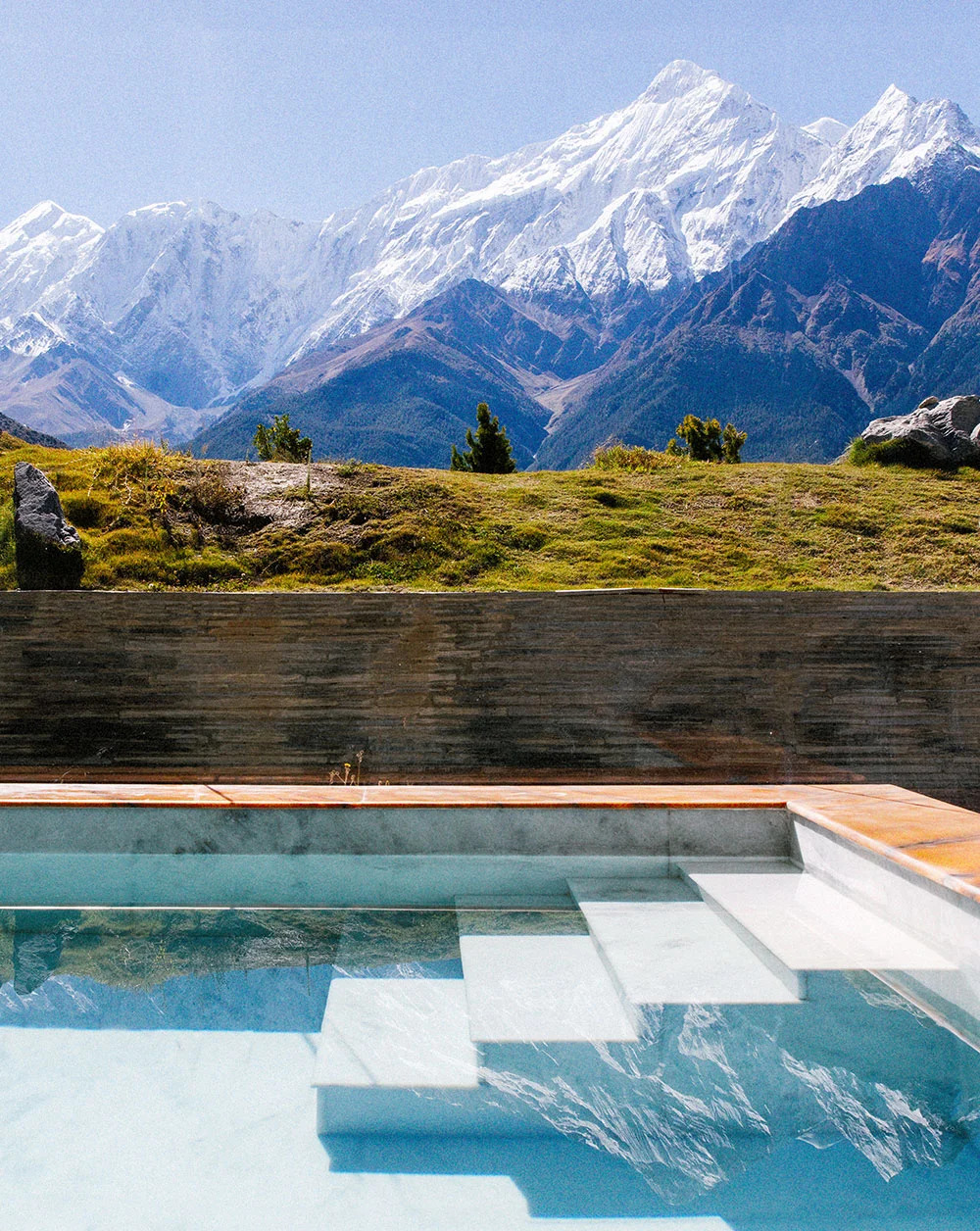
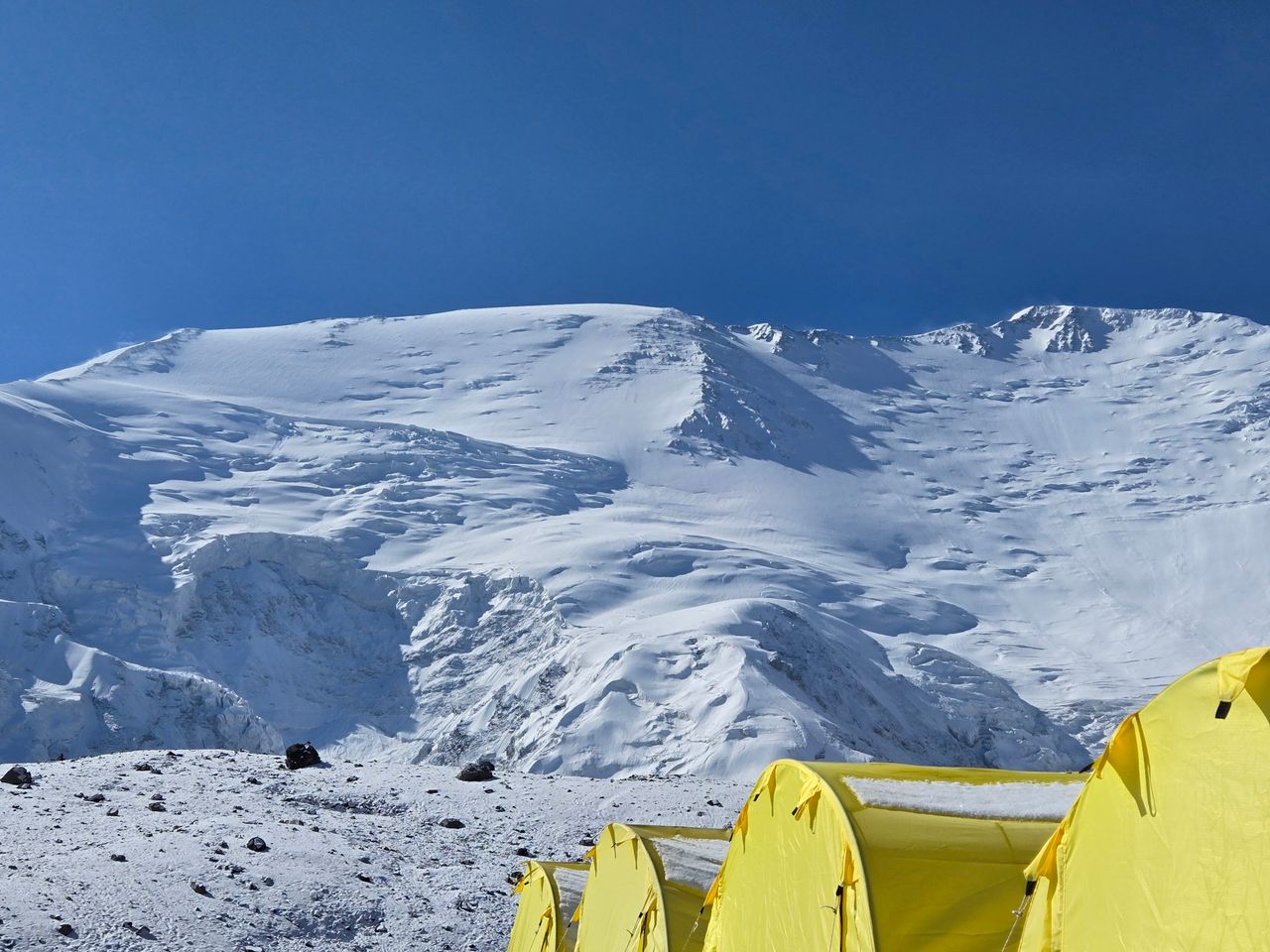
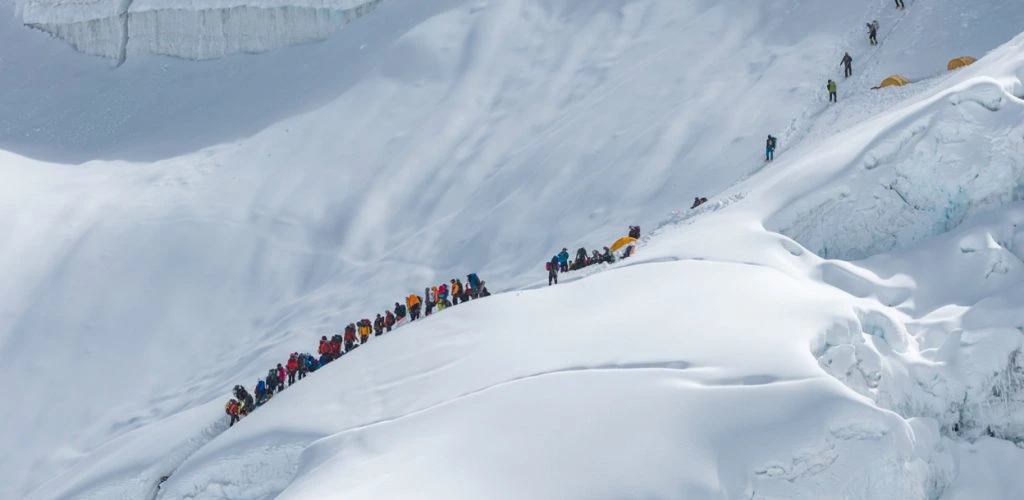
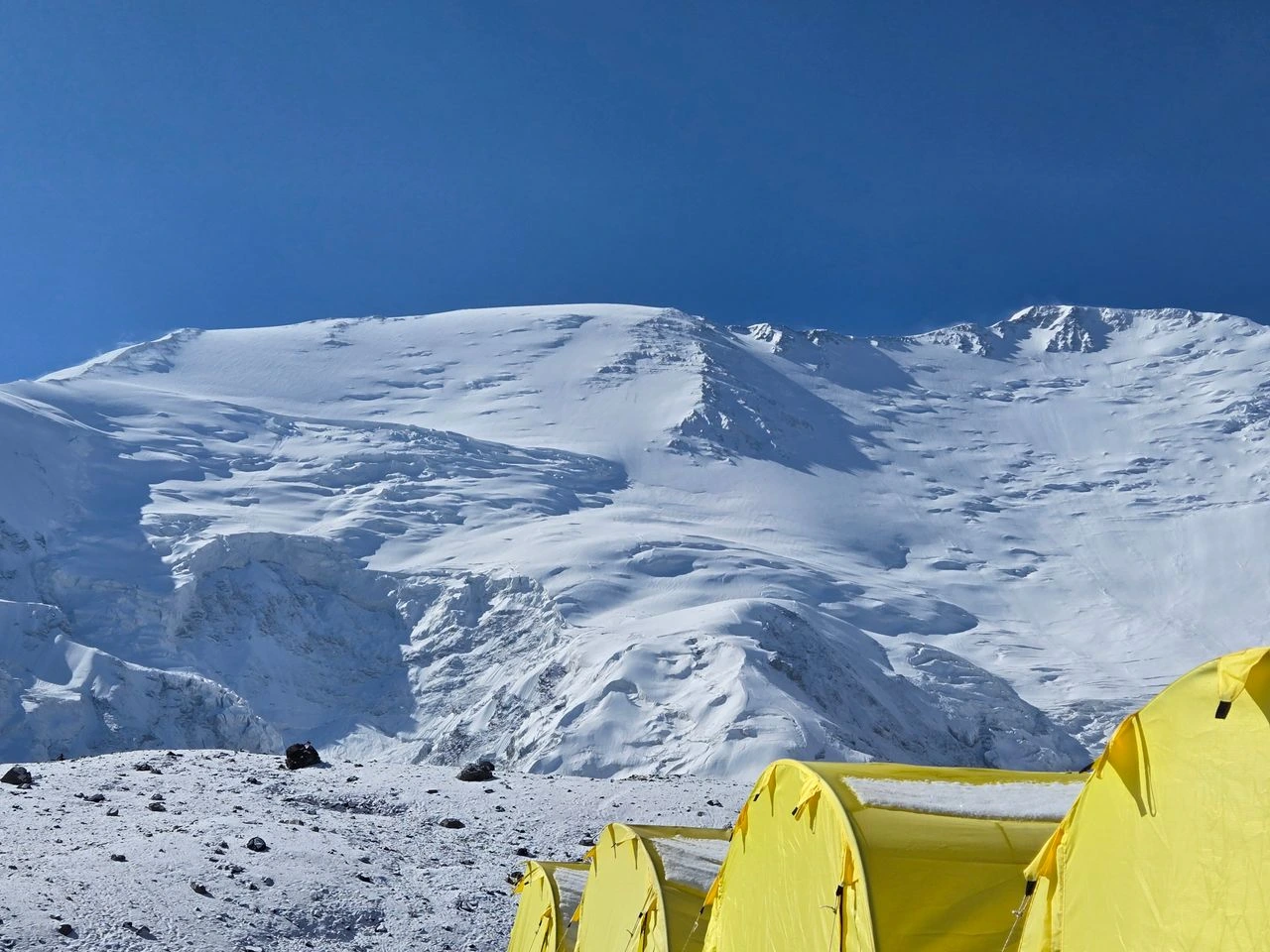
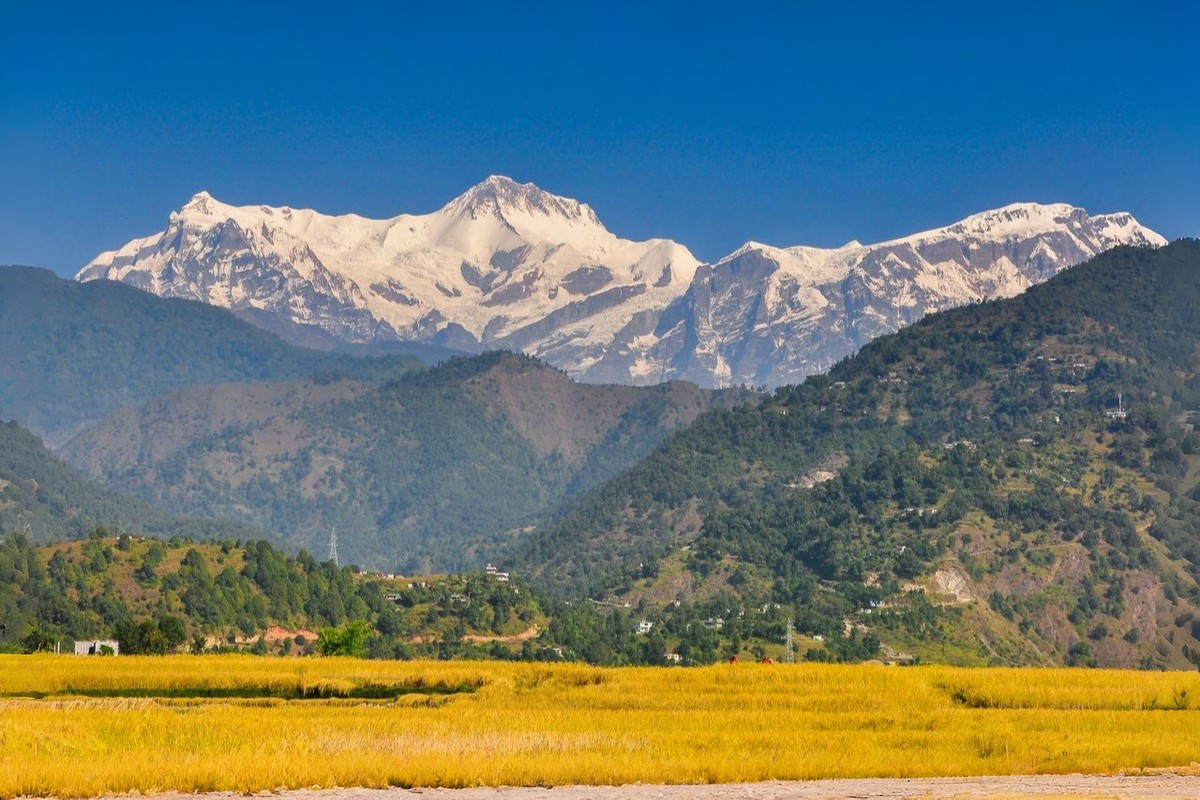
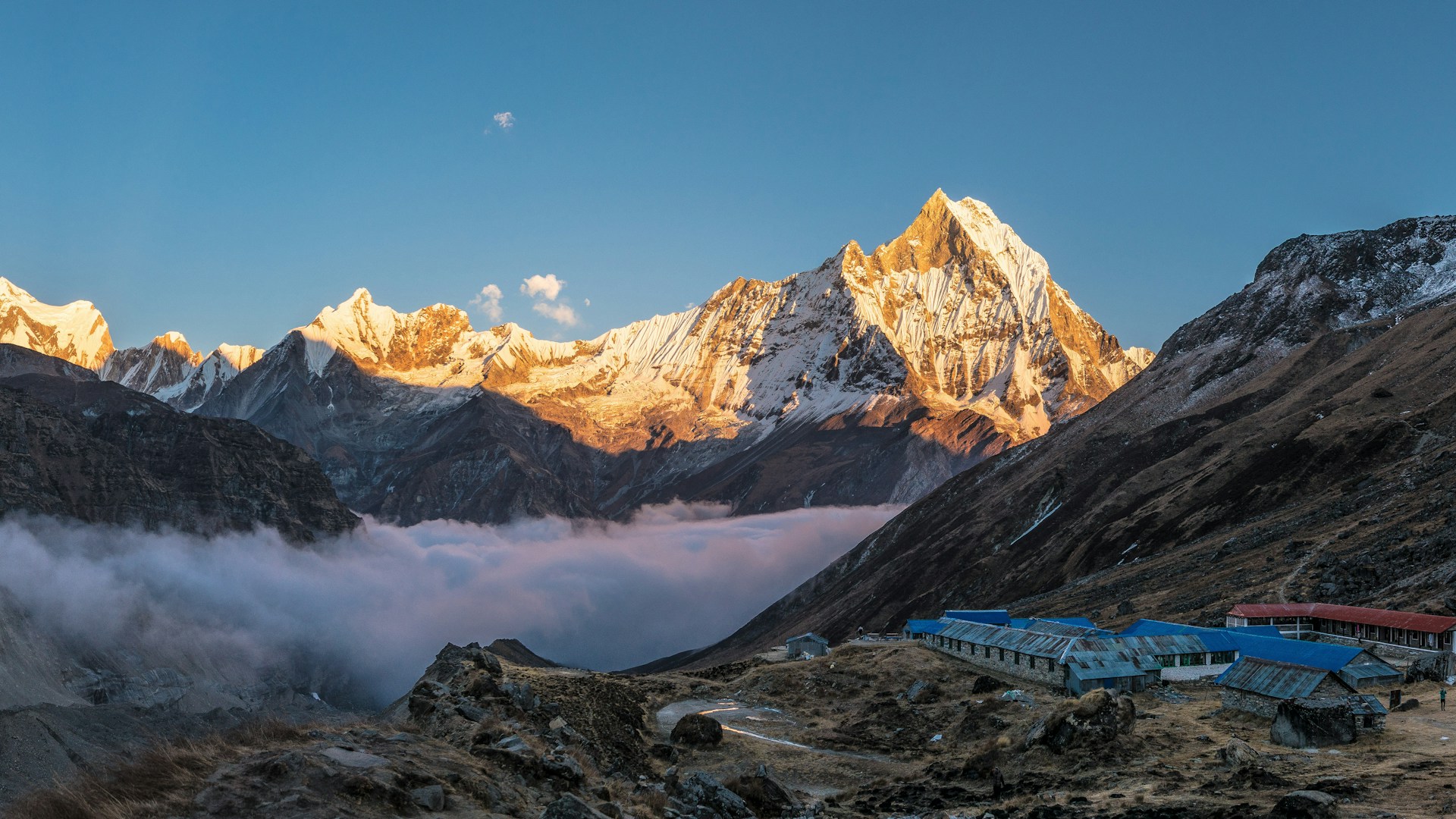
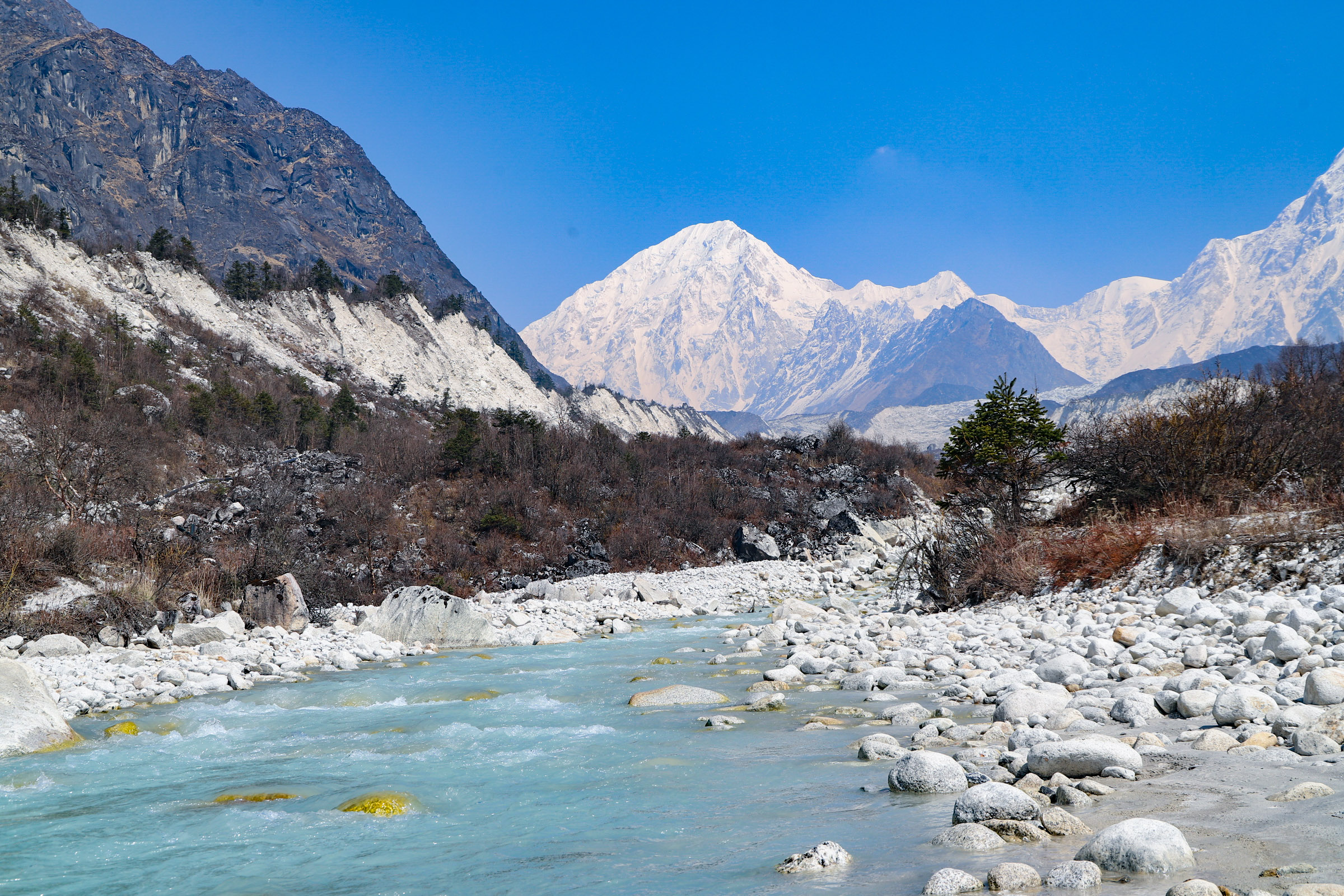
When most people think of Nepal, the image comes with the face of Everest, Annapurna, and Snow-Covered Peaks. Yet, Nepal’s beauty extends far beyond just mountains. In the lower southern part of Nepal, there lies one of the most remarkable wildlife destinations, Chitwan National Park. Being a UNESCO World Heritage Site known for its incredible biodiversity, vibrant indigenous culture, and diverse accessible jungle experience, it always stands as a biodiversity region between the Himalayas.
For travelers seeking a balanced Nepal itinerary, Chitwan offers the perfect bonus complement to the trekking region of the Himalayas. The park provides opportunities for wildlife safaris, cultural immersion, and photography, as well as relaxation and responsible eco-tourism without the demanding physical activities that one has to go through in high-altitude trekking. Whether you are an international visitor planning to visit Nepal for the first time or a domestic traveler exploring our country, Chitwan National Park offers you the opportunity for wildlife photography, nature exploration, or , very ideal for relaxation, after long trekking or Expeditions in Himalayas. Chitwan delivers a very rewarding and diverse travel experience.
Understanding the park's ecology, seasonal conditions, travel logistics and ethical tourism can help you to make the most of your visit. This guide aims to provide clear, practical, and responsible travel information for anyone who is planning to explore Nepal’s wild heart.
.webp)
img: One-Horn Rhino, one of the most endangered animal roaming around Chitwan National Park.
Chitwan National Park was established in 1973 as Nepal’s first National Park and was later designated as a UNESCO World Heritage Site in the year 1984. The listing is due to its ecological importance with a huge diversity of various species and their ecosystem, covering an area of approximately 952 sq km. The park protects one of the last remaining undisturbed ecosystems of the Terai region of Nepal.
The diverse landscape of Chitwan includes,
➢Dense tropical and subtropical forest of Sal
➢Vast grasslands
➢Riverine forests which spread along the river way of Rapti, Narayani, and Reu
➢Wetlands, marshes, and Oxbow lakes
This combination of geographical features creates ideal habitats for a wide range of wildlife species. Chitwan too is recognized for its successful conservation of the one-horned rhino and the Royal Bengal Tiger. Strict law form the government, which protect wildlife from hunting and poaching, as well as community involvement has helped to avoid the variability of endangered species of animals and plants. It made Chitwan one of the best places in Asia to conserve wildlife and the bio-diversity.
In Chitwan National Park, wildlife viewing is the primary reason that attracts most of the visitors to travel in Chitwan. The park's biodiversity is considered exceptional in preserving and supporting living wildlife, which supports:
➢Greater one-horned rhino(endangered species)
➢Bengal tiger(rare but highly rewarding sighting)
➢Asian elephant
➢Leopard
➢Wild boar
➢Several Deer species, including spotted deer, braking deer, and sambar
Rhino sightings are relatively common in comparison to the rarity of sightings of other rare species, especially during jeep safaris and jungle walks.
Chitwan also keeps the name of paradise for bird wildlife. It holds the habitat of more than 540 species of birds. It includes,
➢Hornbills
➢Kingfishers
➢Eagle and Vultures
➢Strokes and Herons
➢Migratory water flow in winter
Often, bird photography enthusiasts consider Chitwan National Park as among South Asia’s best destinations.
➢Gharial Crocodiles (endangered species of crocodile)
➢Marsh mugger Crocodiles
➢Several species of Snakes and Turtles
➢Canoe rides along the current of Rapti river offers excellent sightings of reptiles and birds.
Chitwan is not only the home of wildlife. The region is home to the indigenous Tharu People, who have lived alongside the rivers for centuries inside the Jungle. It makes their connection to the environment deep, shaping the unique traditions, architectural practices, and cultural rituals.
So, visitors too can experience,
➢Traditional Tharu dance performance along with a campfire
➢Village tours showcasing the local lifestyle of indigenous people
➢Local handicrafts and farming practices with traditional methods
➢Local foods, cuisines, and cooking methods
➢Immersing in the local culture adds more depth to the travel experience and supports the local economy.
Chitwan appeals board spectrum of travelers and visitors due to its wide range of experiences within a single destination, exploring the diversity of wildlife.
Wildlife photographers often choose Chitwan National Park to grab the opportunity to capture rhinos, birds, crocodiles, and jungle landscapes.
Nature enthusiasts get to enjoy nature and its relaxing charm without high-altitude challenges and tiring activities.
The travelers who seek to immerse themselves in authentic cultures and traditions and experience them from close, Chitwan offers authentic interactions with indigenous communities.
For adventure seekers, Chitwan also offers light adventures with soft activities such as safaris, canoeing, cycling, and jungle walks.
Chitwan National Park has already positioned itself with eco-tourism, focusing on conservation, sustainability, and ethical tourism.
Nepal is always welcoming in every season with various features. Different seasons of the year bring different features to travelers and offer different tastes. So, understanding seasonal variation in Nepal for travel helps to optimize the wildlife sightings and comfort.
Autumn is widely considered the best time for travelling in Nepal, not just in Chitwan National Park. It is due to the best features and aspects of travelling that get enhanced by different factors. The features are as,
➢Pleasant weather
➢Clear Skies
➢Excellent Photography conditions
➢High Wildlife sightings due to clear visibility
➢Stable weather
➢Festive season
Tip: this is a peak season, so advance bookings are essential.
Due to the cool mornings and evenings, winter is ideal for the Terai region, which is typically a hot region. It is a great choice for a person with a mild taste preference.
Another prime wildlife season is similar to autumn due to its blossoming features and stable weather. It is an excellent choice to visit Chitwan National Park because of
➢Stable weather
➢Clear visibility due to pre-monsoon rain
➢Blossoming landscapes
➢Lush greenery
Transportation planning is another essential aspect of travelling. It gives travelers flexibility and proper planning of itineraries, as well managed cost expenses.
➢Kathmandu to Sauraha: approximately 6 hours
➢Pokhara to Chitwan: around 5 hours
Tourist buses are comfortable, economical, and also popular and widely used for transport facilities to Chitwan.
Domestic flights from Kathmandu to Bharatpur Airport take 20 minutes and offer a spectacular aerial view of the landscapes. From there, a short drive transfers you to hotels near the park.
Flights from Kathmandu to Bharatpur Airport take about 20 minutes. From there, a short drive reaches hotels near the park. This option for a flight to get to Chitwan is ideal for travelers with limited time and who are here for a short duration.
Private cars or jeeps are also very popular among tourists and visitors to get to Chitwan from Kathmandu. It is due to flexibility, comfort, and scenic stops during the journey.
The main gateway to Chitwan National Park is Sauraha, which is located along the Rapti River and also covers a massive part of the park. It offers,
➢Accommodation ranging from budget to luxury resorts
➢Restaurants, cafes, tour agencies, and guide services
➢Easy access to safari points, mostly the starting point of the jeep safari
If you want a quieter place near the park, Meghauli can be another great choice to have. It is often chosen for upscale eco-resorts and bird watching.
Many travelers combine Chitwan National Park with other popular destination of Nepal. It can be connected with places like
➢Pokhara(Lakeside relaxation and adventure sports)
➢Everest and Annapurna trekking region
➢Lumbini(birthplace of Gautam Buddha)
➢Kathmandu Cultural Sightseeing
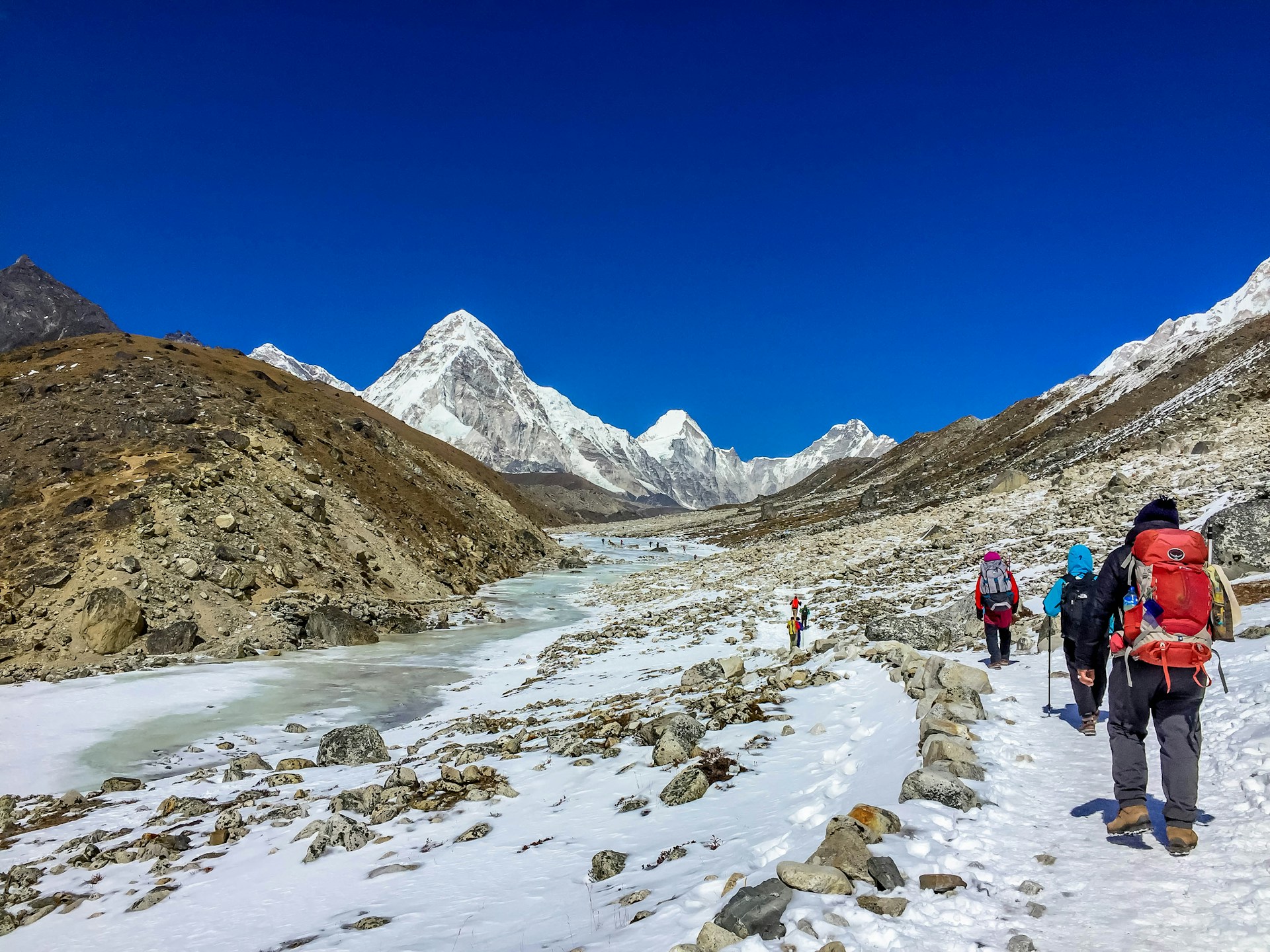
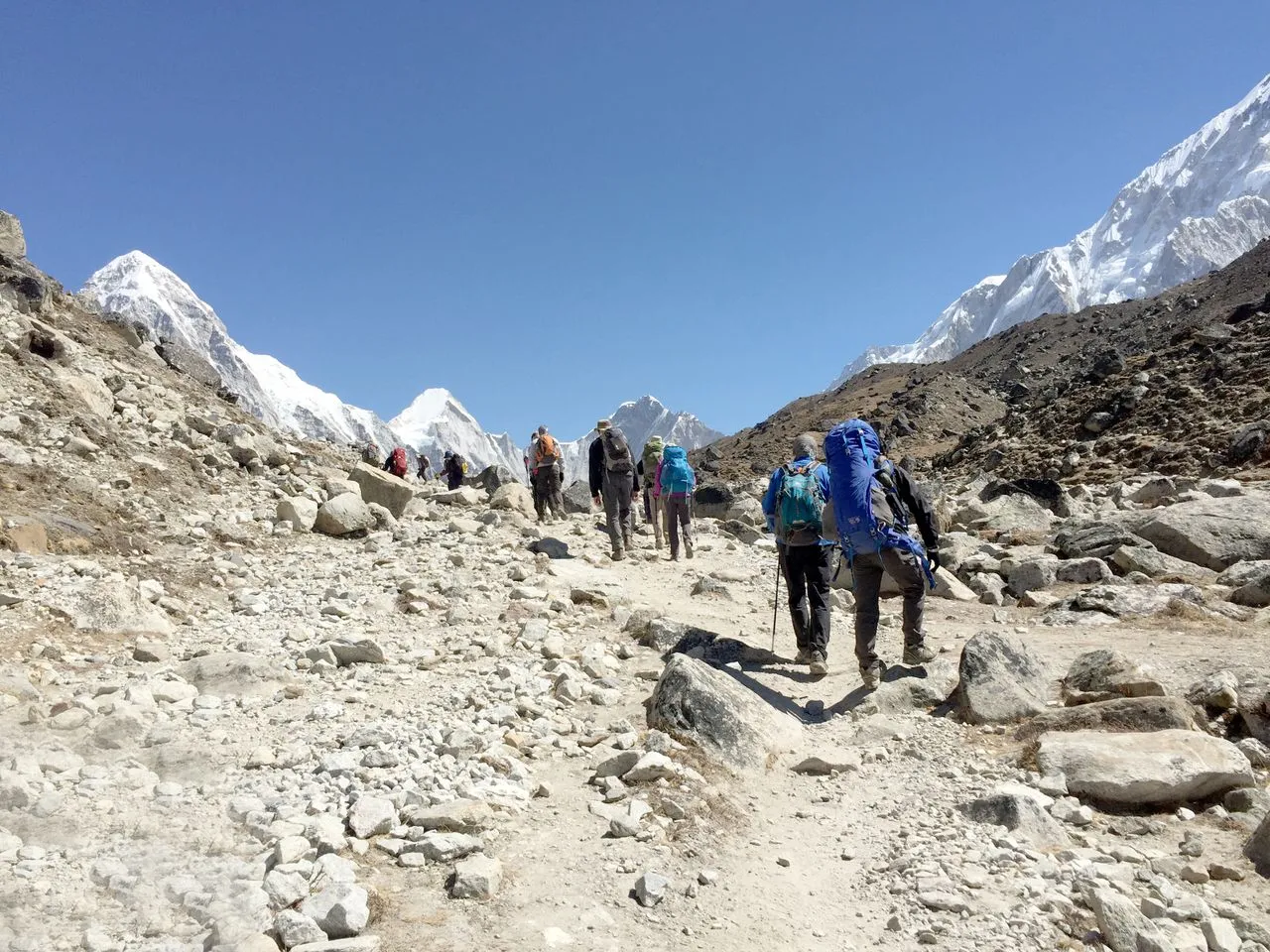
This flexibility creates a diverse Nepal itinerary, including mountains, culture, wildlife, and relaxation, providing additional opportunities to enhance the experience. Some travelers, trekkers and mountainners, returning from the Everest Region or Annapurna Region after long journey prefers to relax in Chitwan, connecting it properly with Himalayas.
There are some common dilemmas and uncertainties which a first-time traveler and visitors often tackle. This includes,
➢Wildlife Sighting Probability
➢Ethical tourism practices
➢Transport Logistics
➢Budget Clarity
➢Accommodation choices
➢Cultural etiquette
Proper research and realistic expectations always significantly enhance the experiences. Chitwan is not a zoo, it natural habitat of wildlife. So, wildlife sightings always depend upon timing, patience, and sometimes luck. However, guided safaris and multi-day stays increase the chance of sightings considerably.
Choosing and selecting accommodation in Chitwan can feel overwhelming due to the massive range of lodges, resorts, and eco-properties. Understanding of categories in accommodation options can help travelers choose based on comfort level, budget and experience preference.
In Chitwan, Budget accommodations are widely available with different options and various pricing, especially in Sauraha. These lodges typically offer,
➢Basic but clean rooms
➢Fan and Simple air-conditioning
➢Attached or shared bathrooms
➢Local Nepali and basic Western meals
These budget accommodations are ideal for those travelers who are solo, backpacking, or budget-conscious. These stays basically provide basic facilities with clean services and warm hospitality.
This is the most popular category among travelers and visitors. Mid-range resorts generally provide an ideal cost and also give some close taste of what comfort comes with luxury stays. It includes,
➢Comfortable rooms with private bathrooms
➢Organized safari packages
➢Cultural programs and guided tours
➢Good restaurant facilities
These accommodation facilities strike an excellent balance between comfort and affordability. It makes it sustainable for families, couples, and first-time visitors.
Luxury properties often focus on comfort, sustainability, and exclusive experiences. The features often include,
➢Spacious rooms or private cottages
➢Fine and properly managed dining options
➢Private safaris
➢Conservation-focused operations and designs
Luxury eco-resorts offer the best for travelers seeking privacy, premium service, and environmentally responsible stays.
Chitwan National Park offers diverse activities with the most exclusive experience, which provides access to deeper forest areas where wildlife sightings are more likely. These sighting activities are guided by experienced naturalists and expert guides. As well as these features, it also offers the immersing experience which combines wildlife exploration, cultural experiences, and relaxed nature travel.
Jeep Safaris are the most popular activities in Chitwan National Park. It provides access to the deeper region of forest areas where wildlife sightings are more likely to happen, guided by experienced guides and naturalists. Visitors may encounter,
➢One-horn Rhino
➢Deer Species
➢Crocodiles along the riverside
➢Bird species
➢Royal Bengal Tiger(very rare sightings)
Note: morning and late-afternoon safaris are considered best for wildlife activity.
This safari offers a traditional wooden canoe ride along the current of the Rapti River and the branching tributaries of the Rapti. The ride often provides a quieter and more intimate experience. These safaris are particularly known for,
➢Crocodile sightings
➢Bird watching opportunities
➢Scenic sunrise and sunset experiences
Note: because canoes move silently, wildlife encounters can feel especially immersive.
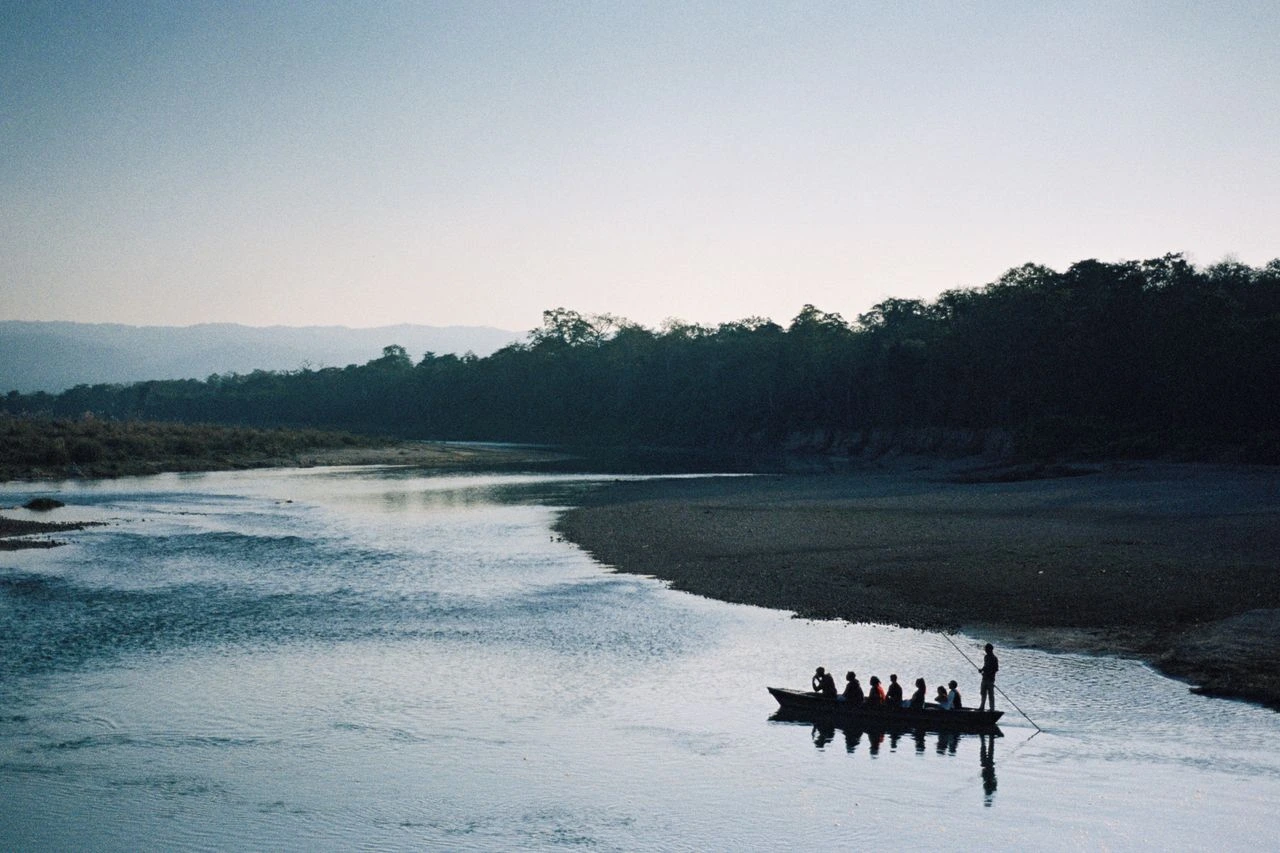
img: Caneo Ride in Rapti River, backdropped by the evening sky.
Jungle Walk is another enhanced way to explore the biodiversity of Chitwan. Guided jungle walks allow visitors to experience the forest environment more closely, often accompanied by trained naturalists and guides. The walk includes,
➢Animal tracks and behavior
➢Plant and animal species
In these walks through Chitwan National Park, safety is always prioritized, and guides are skilled in managing wildlife encounters carefully and responsibly.
No doubt, Chitwan is South Asia’s premier bird watching destinations. About 540 species of birds have their natural habitat here, making it one of the largest ecosystems of birds in the world. The specialized bird watching often offers,
➢Wetland birds
➢Forest Species
➢Migratory birds in Winter
➢Cycling Around Buffer Zones
Yes, Chitwan too offers cycling through a relaxed way to explore local villages, farmlands, and buffer zone forests. It combines nature exploration with authentic cultural interaction and is suitable for all fitness levels while exploring the immersive aspects of Chitwan.
Many travelers and visitors initially visit Chitwan for wildlife and to expereince its bio-diversity but always leave most impressed by its culture and traditional richness. Chitwan is diversified by cultures and traditional which are being on practice from centuries.
Guided tour in Tharu Villages offers insights into their traditional lifestyle and cultural practices. Which includes,
➢Traditional architecture using mud, bamboo, and thatch
➢Agricultural lifestyle
➢Indigenous handicrafts and tools
➢Community conservation initiatives are led by local people.
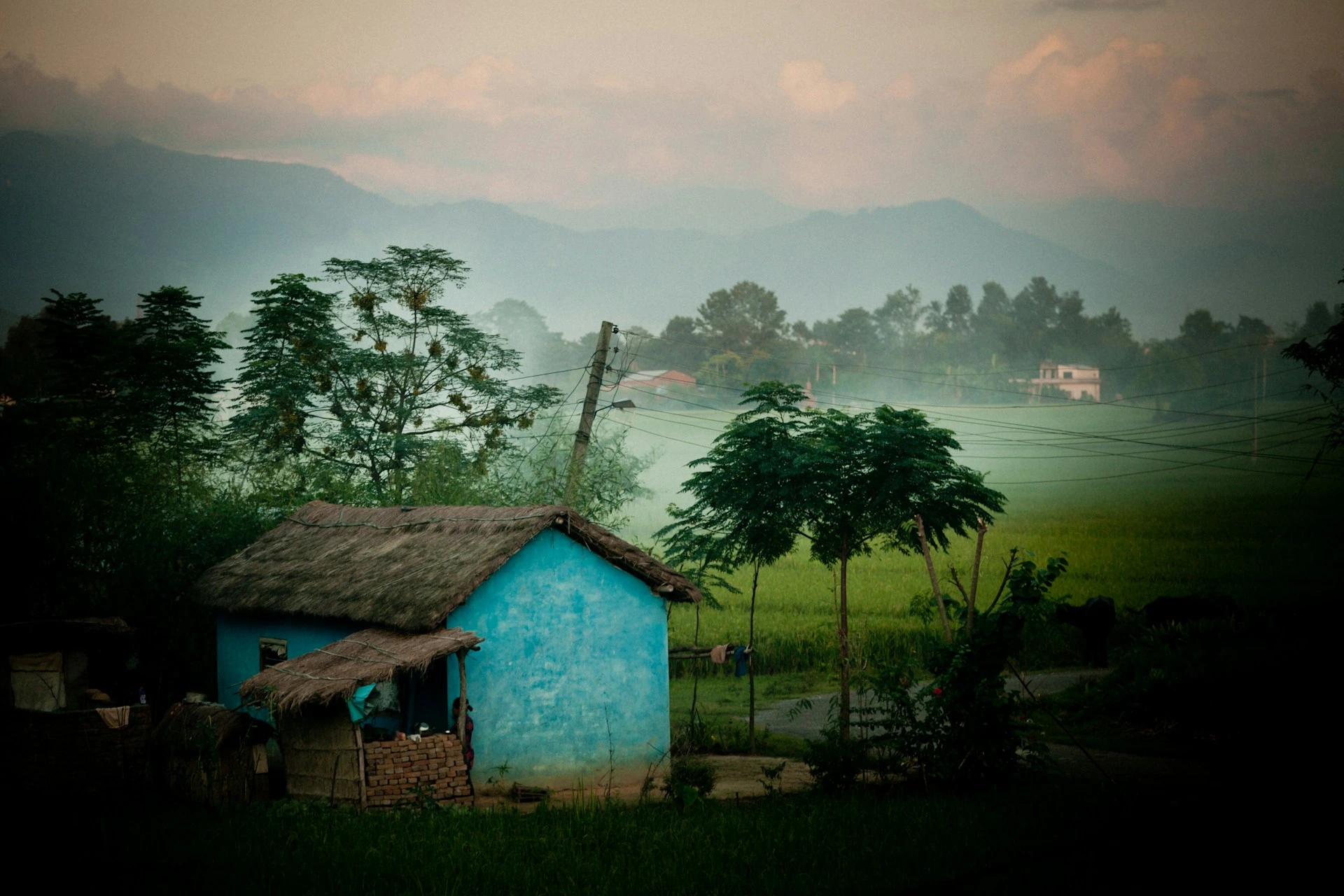
img: Tharu Village sorrounded by farmland.
Evening cultural programs are often the best show to enjoy after exploring the rich ecosystem of Chitwan National Park. These performances and dances reflect the community’s historical connection to the forest and its environment. The cultural programs during the evening offer,
➢Stick dance
➢Folk songs
➢Storytelling traditions
Chitwan, other than wildlife and cultural immersion, also offers the authentic taste of traditional cuisines. The dishes include,
➢Fresh river fish dishes
➢Local rice varieties
➢Lentil dishes and seasonal vegetables locally produced
➢Traditional pickles and spices
Increasing awareness about ethical wildlife tourism has significantly changed, leading in sceneries of how many travelers approach Chitwan visits.
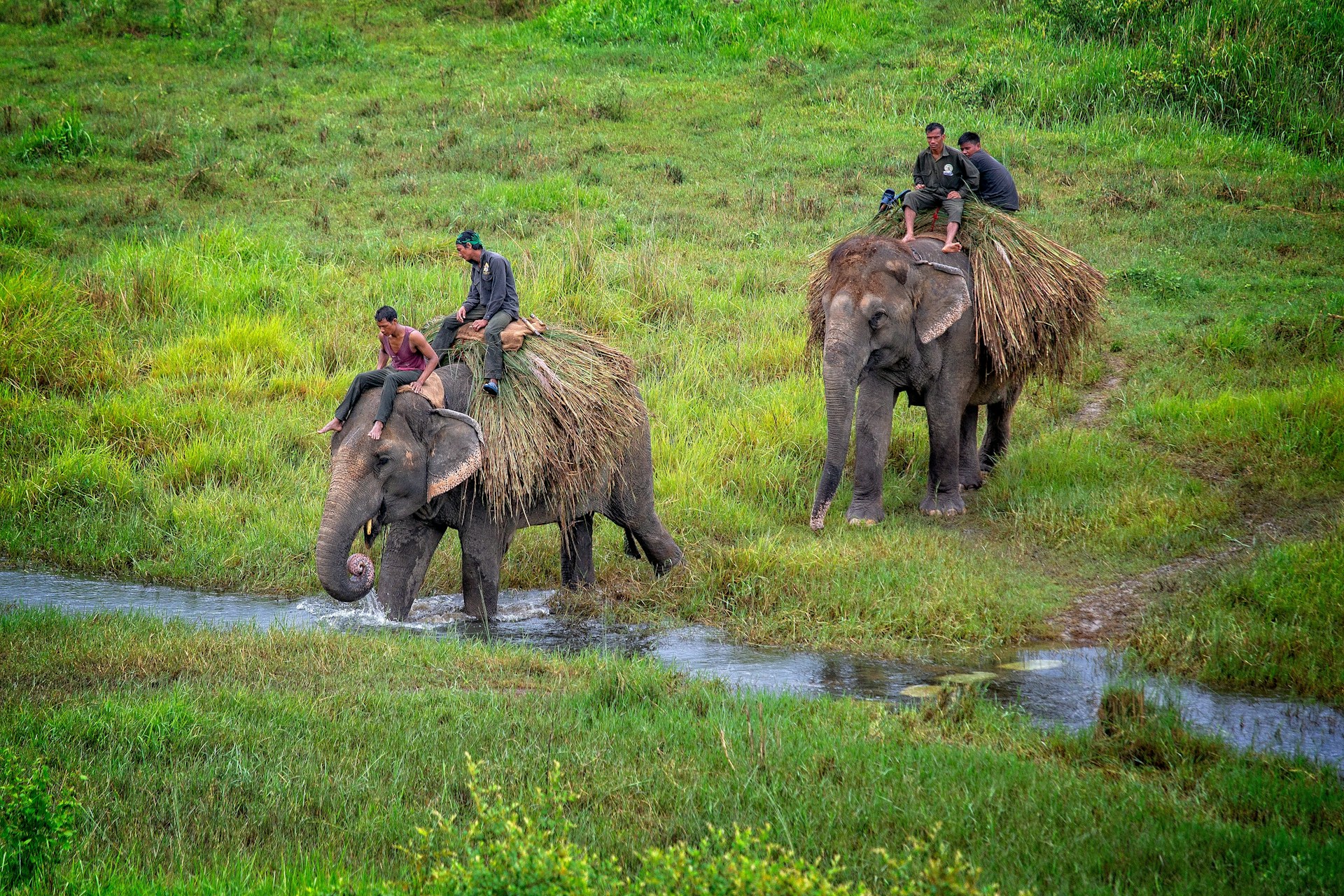
While gaining historical popularity, elephant riding raises animal welfare concerns. It made many responsible operators now promote alternative safari options over elephant riding.
Look for operators that,
➢Support conservation
➢Employ local people and communities.
➢Follows wildlife safety guidelines
➢Avoid exploitative animal practices.
Respecting the behavior of wildlife is considered very important and necessary to respect their natural cycle and behavior. Visitors can respect wildlife by
➢Maintaining a safe distance from animals
➢Avoiding loud noises around wildlife habitant
➢Not feeding wildlife
➢Following the instructions from the guide carefully
Note: Responsible behavior helps to protect both travelers and wildlife.
Cost planning is a very essential aspect while travelling. It gives a managed way to travel and provides flexibility in terms of budget. It also helps travelers plan effectively for their plans and expenses.
Approximate daily Cost
➢50 to 80 USD
It includes basic accommodations, meals, and shared activities.
Approximate daily cost
➢80-150 USD
It includes comfortable lodging, guided safaris, and cultural programs.
Luxury Travelers
➢200-400 USD
It includes premium accommodation, private safaris, and fine dining.
Note: prices may vary from season to season, activity types, and service inclusion. So, before confirming the accommodation plans with accommodation providers, it is recommended to consult properly.
Visitors must obtain permits to get access Chitwan National Park. fees typically vary by the following conditions,
➢International visitors
➢SAARC nationals
➢Nepali citizens
Permits can be arranged through online portals, tour operators, and park entries. Also, booking in advance during peak season helps to secure preferred safari times.
Travelers often feel overwhelmed by the choices among dozens of options. Helpful tips can make your decision quicker and more stress-free. It includes,
➢Book accommodation early in peak seasons
➢Confirm safari inclusions clearly.
➢Verify the ethical standards of operators.
➢Get a review of recent travelers and feedback.
It is not just about the smooth experience; good planning also helps to reduce stress and improves overall experience.
Most tourist area in Nepal provides internet and connectivity services, not just in Chitwan National Park. And in Chitwan, due to the urbanization, the internet and connectivity are not an issue or a stress to have. Travelers get to surf and enjoy the Internet and Connectivity. It includes,
➢Wi-Fi in hotels and cafes
➢Mobile Network Coverage
➢Medical Facilities
As we know, environmental disorder is now a global issue, and it is destroying nature and its natural habitat. We all have to be responsible to reduce its impact, and Environmental responsibility plays a big role in preserving the environment. Travelers can minimize impact by
➢Using reusable water bottles
➢Avoiding plastic waste
➢Supporting eco-friendly accommodations
➢Respecting local culture and wildlife
➢Expert Tips For Visiting Chitwan National Park
Careful preparation for your journey can significantly enhance your experience in Chitwan. These expert tips address common traveler concerns and help maximize the wildlife sightings while ensuring comfort and responsible travel.
Accommodations and safari slots fill quickly during the peak season, such as during the seasons of Autumn and Spring. So during these seasons, booking several months ahead ensures better accommodation choices, availability of experienced guides, and preferred safari timings. Last-minute bookings during peak seasons often lead to very limited options or end up with higher cost.
The months often follow the pattern of,
➢October to November (Autumn Season)
➢March to April (Spring Season)
Wildlife in Chitwan is mostly active during cooler hours, during dawn and dusk. Early morning jeep safaris, canoe rides, and bird watching tours often produce the best sightings.
These times are too often offer excellent photography conditions due to softer natural light.
Neutral colors like green, brown, or grey can help travelers and visitors blend into the natural environment. Bright clothing can sometimes disturb wildlife and can lead to reducing of sightings.
Lightweight, breathable fabrics are mostly recommended due to the warm climate of the Terai Region.
Although some of the hotels accept cards, many smaller businesses and establishments, or in the local market6 as well as rural service provider operates primarily in cash. ATMs exist but may not always be reliable. So, having and carrying enough cash with you is a very flexible choice.
Chitwan lies in a subtropical climate cab be warmer and humid for some travelers. So, essential p[precautions includes,
➢Using a reusable water bottle
➢Wearing and keeping hats and sunscreen
➢Applying insect repellent regularly
➢Use of light and protective clothing
These simple precautions can significantly improve comfort during outdoor activities.
Local Guides are mostly recommended because of their deep knowledge about the wildlife behaviors, jungle ecology, and conservation efforts, as well as the cultural traditions. Engaging actively with guides enhances learning and enriches the overall experience.
Note: Asking questions about your doubts and the things you see during your visit often leads to fascinating insights that typically guidebooks cannot provide.
Responsible behaviors during a visit to Chitwan National Park ensure the safety and sustainability. It helps to maintain,
➢Maintain a safe distance from animals.
➢Avoiding sudden movements or loud noises
➢Never feed wildlife
➢Dispose of waste properly.
These tips for the environment help to preserve the Chitwan ecosystem.
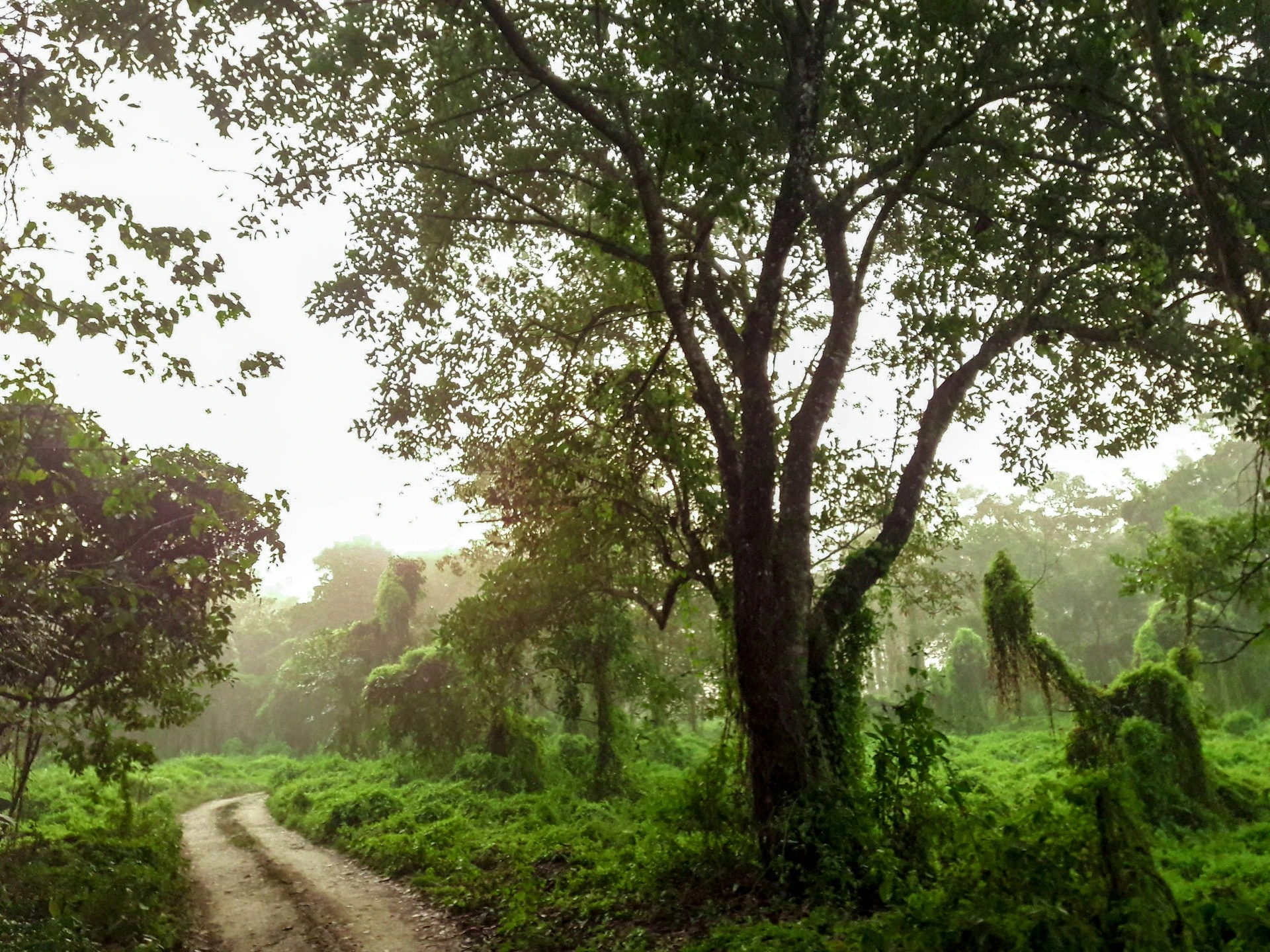
img: rich green forest inside Chitwan National Park
Considering multi-day stays of at least two or three days in Chitwan significantly improves the chances of wildlife viewing and sighting opportunities. Various activities across multiple days increases chances of sightings of diverse ecosystems and allow you to experience the cultural experiences.
Note: Short visits often feel rushed and may miss important aspects of Chitwan National Park.
Learning simple greeting phrases can be helpful to connect with local people. It also helps travelers to build the gesture of respect and understanding. Simple phrases like
➢Nameste (Hello)
➢Dhanyabad (Thank You)
Before travelling, checking with your documents, visas, and entry requirements is always a very helpful step and also reduces the unusual and unwanted burden during your travel. It follows,
➢Ensuring passport validity
➢Confirming visa requirements
➢Carry necessary travel documents.
Chitwan is generally safe for travelers and visitors. But awareness improves the comfort and preparedness. Travelers can follow the following steps,
Recommend to always follow the guide's instructions and guidelines during safaris or jungle walks. Avoid independent exploration, especially inside the forest area where wildlife is likely to be found.
Health precautions are a very necessary aspect that a traveler needs to have during traveling. It includes,
➢Travel insurance
➢Basic first-aid kit
➢Hydration awareness
➢Mosquito protections
Note: Consult with a travel health professional if necessary before heading to tropical regions.
Always go for reputable tour operators, confirm activity inclusions, and also clarify pricing beforehand. Such transparency helps you to reduce misunderstandings.
Sustainable tourism is increasingly important in wildlife destinations such as Chitwan, where wildlife and massive biodiversity habitats are found.
➢Support Eco-Friendly Businesses
➢Always choose accommodations and tour providers that,
➢Promote conservation
➢Employ local people or communities.
➢Follows ethical practices
These responsible choices can benefit both the environment and the local economy.
Travelers and visitors, too, can contribute by following some steps. It includes,
➢Avoiding plastic waste
➢Using reusable bottles
➢Respecting the natural habitats of wildlife and plants
➢Conserving water and energy
Nepal is a country with huge diversity in culture and traditional practices. So respecting culture and traditions becomes a very necessary step to follow. Dressing modestly in villages, asking permission before photographing locals, and respecting traditions as well as cultural sensitivity enhance meaningful and immersive travel experiences.
Some travelers make frequent mistakes, which can ruin their entire experience due to their leasing issues. So, being aware of such mistakes can help visitors plan better and more enhanced. It includes,
Peak seasons during Autumn and Spring require advance planning.
Wildlife sightings often come with luck and timing, so expecting to have sightings g of rare animals like the Royal Bengal Tiger can lead to misunderstanding and misexpectations. It involves patience and luck at a frame.
Avoiding exploitative wildlife activities that disturb them and can impact their natural behavior.
Understanding the climate is also an important aspect to have during travel to Chitwan. The factors like heat, humidity, and insects require preparation to avoid any issues in your experience.
It is also a very common mistake made by travelers in Chitwan. The wildlife rewards are slower with immersive travel.
Although Chitwan National Park is flexible, most travelers can enhance their travel experience and benefit from,
2 Day Minimum
➢One jeep safari
➢Canoe rides
➢Cultural programs
3-4 Days recommended
➢Multiple safaris
➢Bird watching programs
➢Village explorations
➢Relaxation time
Chitwan National Park is always considered a paradise for wildlife photography. It offers,
➢Golden-hour wildlife scenes
➢River landscapes
➢Bird diversity
➢Flora and fauna
➢Cultural portraits
Note: Patience, ethical practices, and proper equipment during photography can improve results.
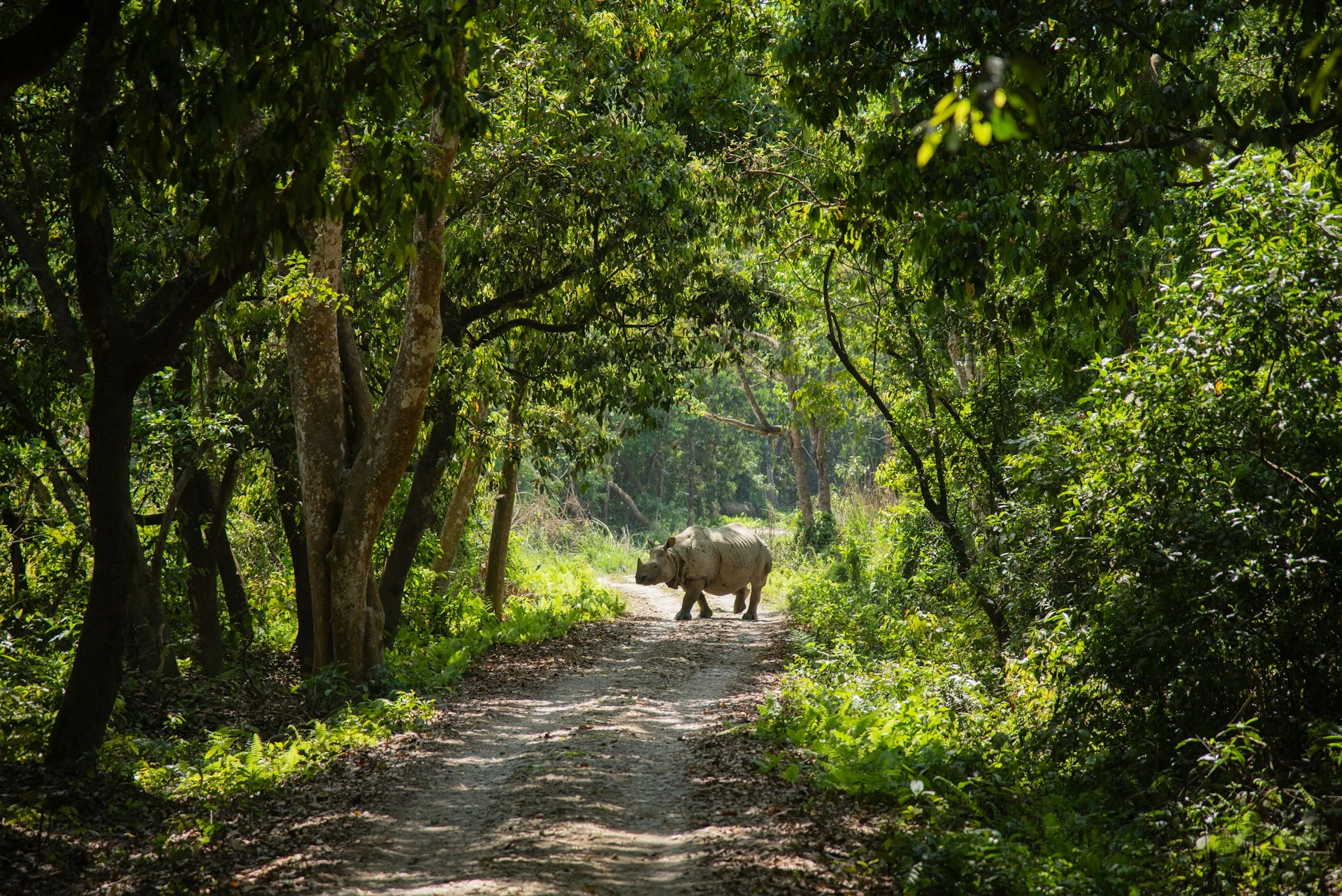
img: One-horn Rhino spotted in roadway for jungle safari.
Chitwan National Park offers a very remarkable dimension of Nepal which is often overlooked by travelers focused solely on the beauty of the Himalayas. Its rich biodiversity, thriving conservation, vibrant indigenous culture and traditions, as well as accessible jungle adventures make it one of South Asia’s most rewarding ecological destinations.
Whether you are a traveler seeking wildlife encounters, cultural immersion, relaxation, photography, vacation or responsible eco-tourism experiences, Chitwan National Park delivers a balanced and enhancing journey. Spending time in such subtropical wilderness reveals a different side of Nepal, where rivers replace glaciers, grasslands replace meadows, and cultural immersion intertwines deeply with nature.
Responsible travel always plays a vital and crucial role in preserving the environment and fragile ecosystem of Chitwan National Park. Choosing such ethical operators, respecting wildlife and supporting local communities, and minimizing the environmental impact always ensures that Chitwan remains vibrant for future generations.
For travelers exploring Nepal, Chitwan is not just an add-on or any optional destination – it is a destination that completes the country's diverse travel stories. From misty forest mornings with rhino sightings and Tharu cultural experiences, along with peaceful river sunsets, Chitwan truly represents Nepal’s wild heart.








.webp)
.webp)