
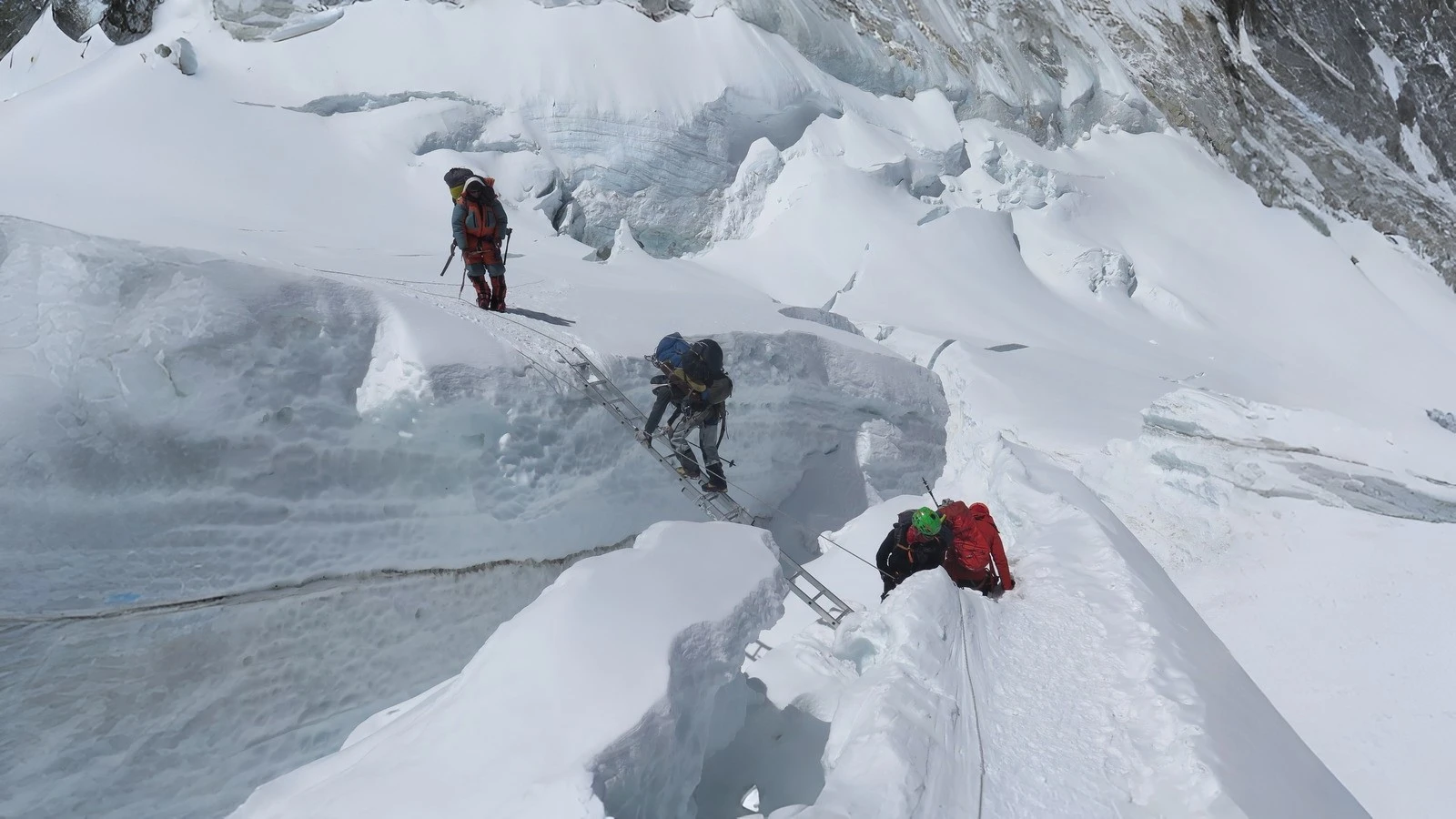
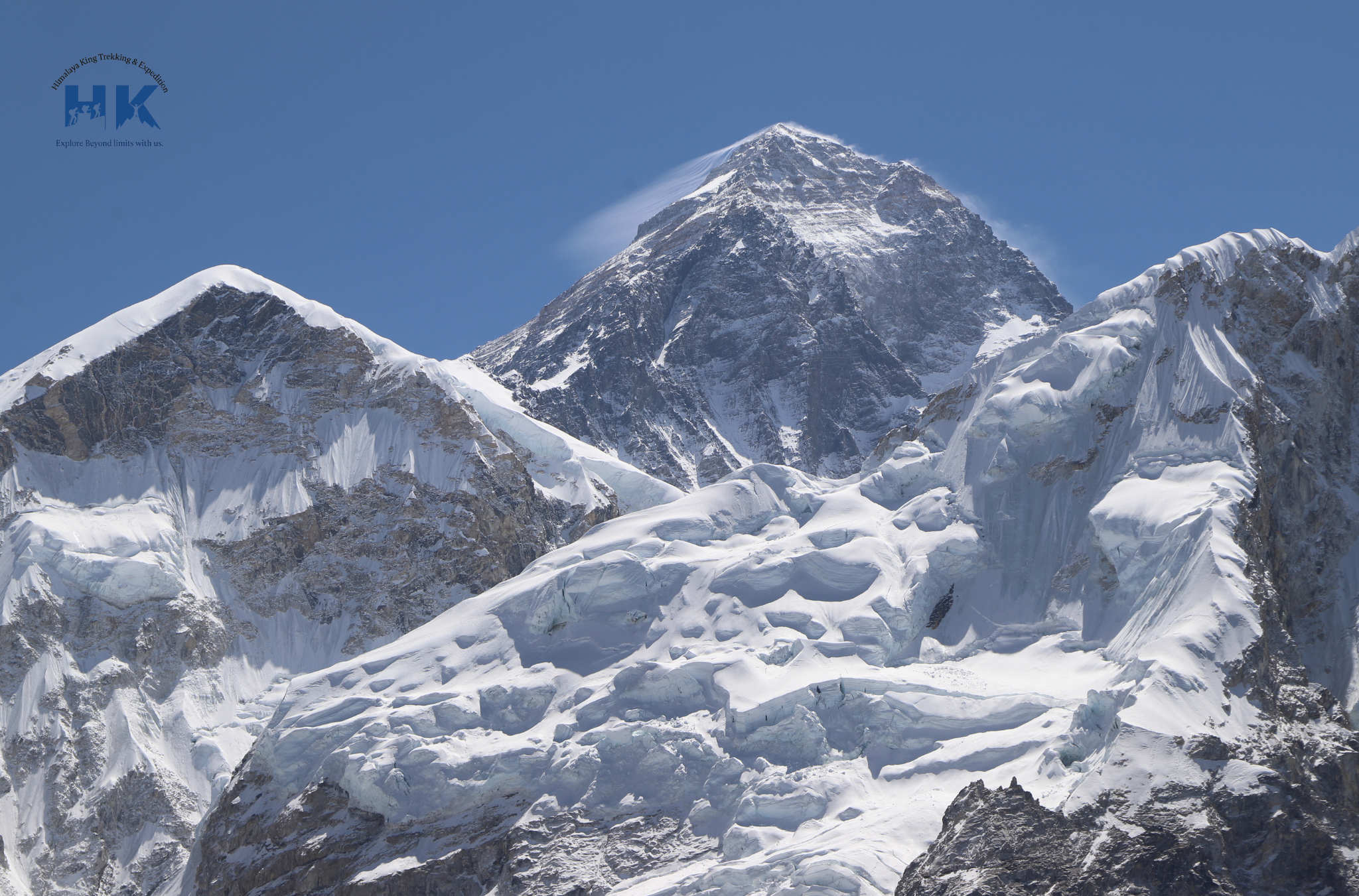
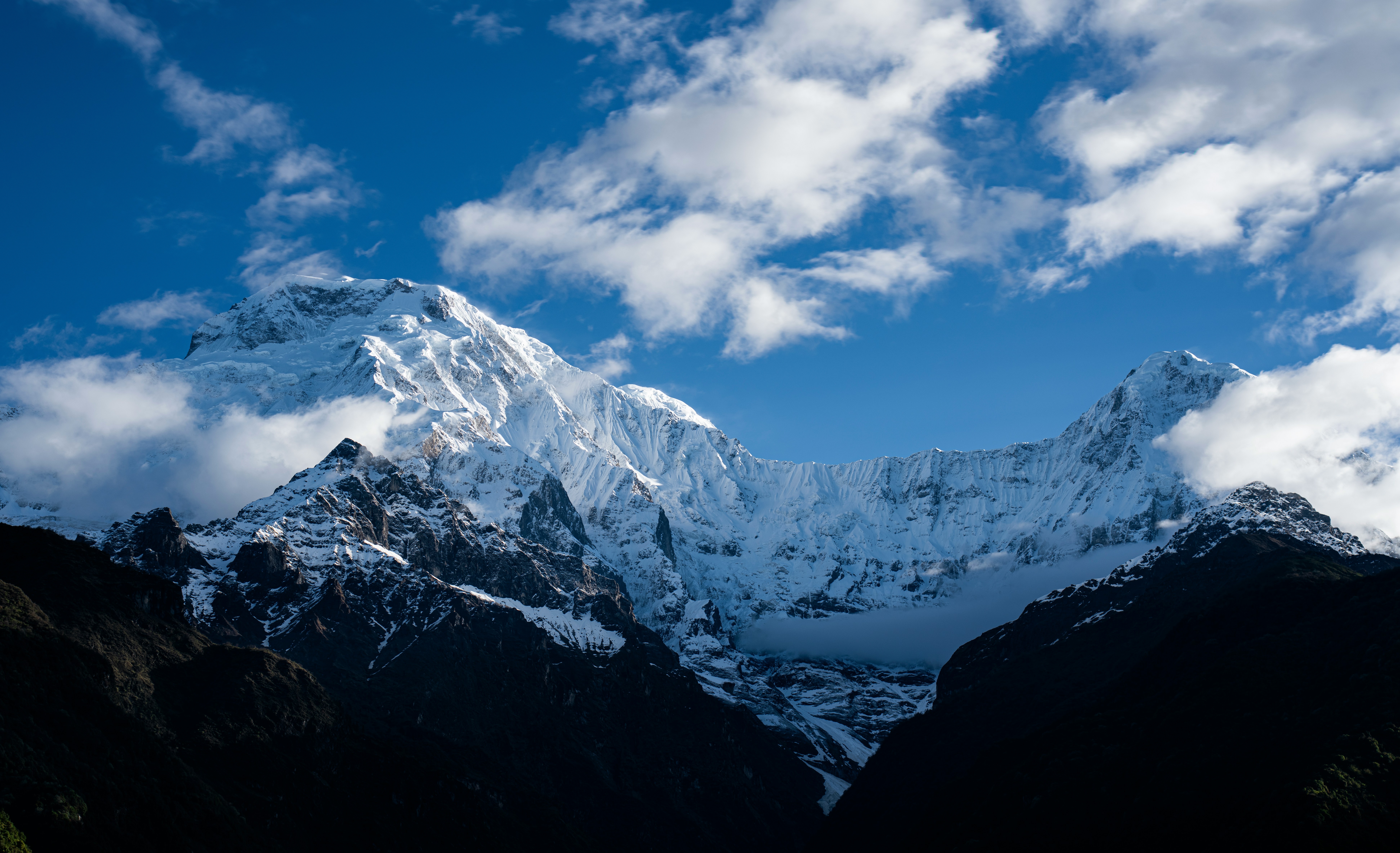
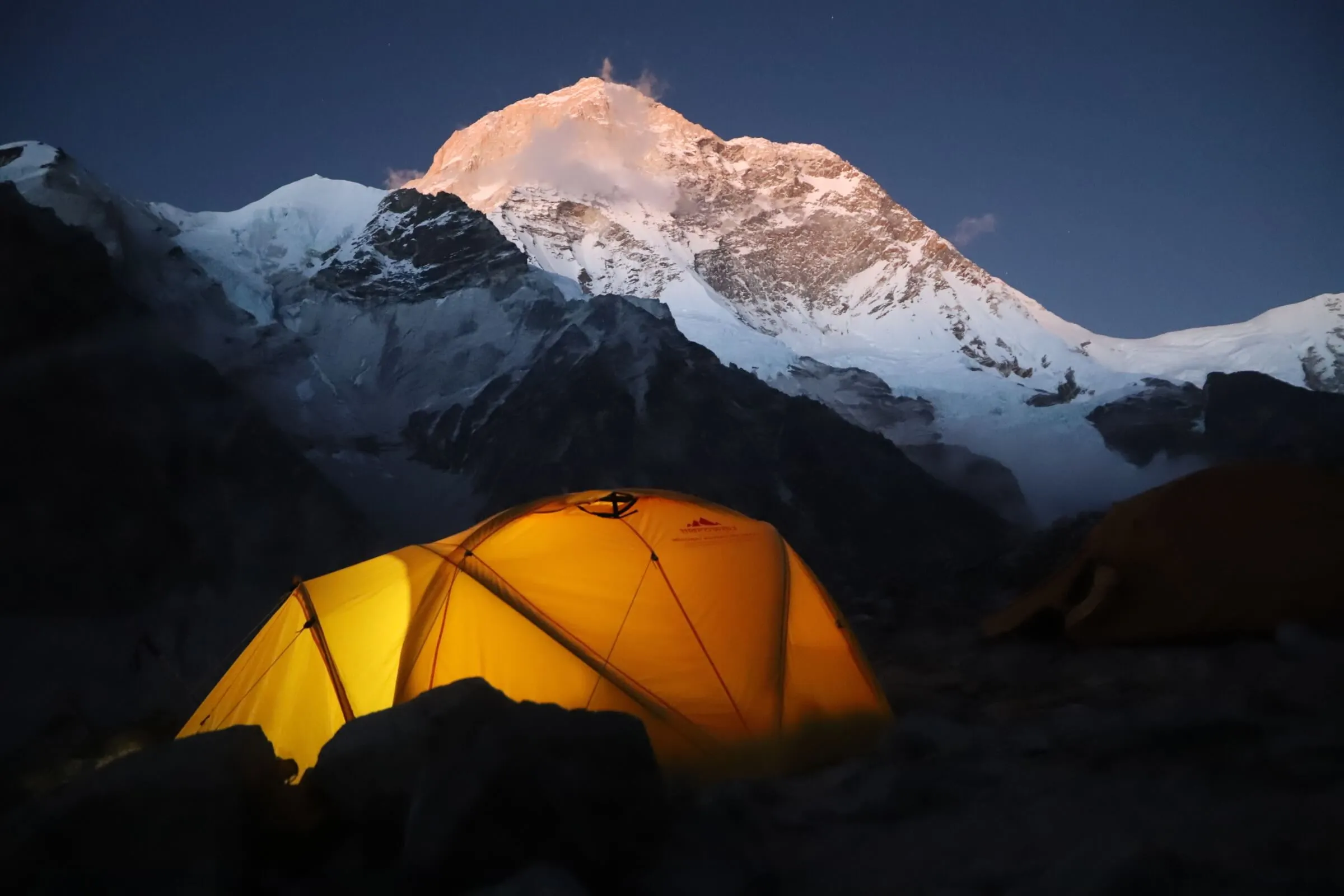
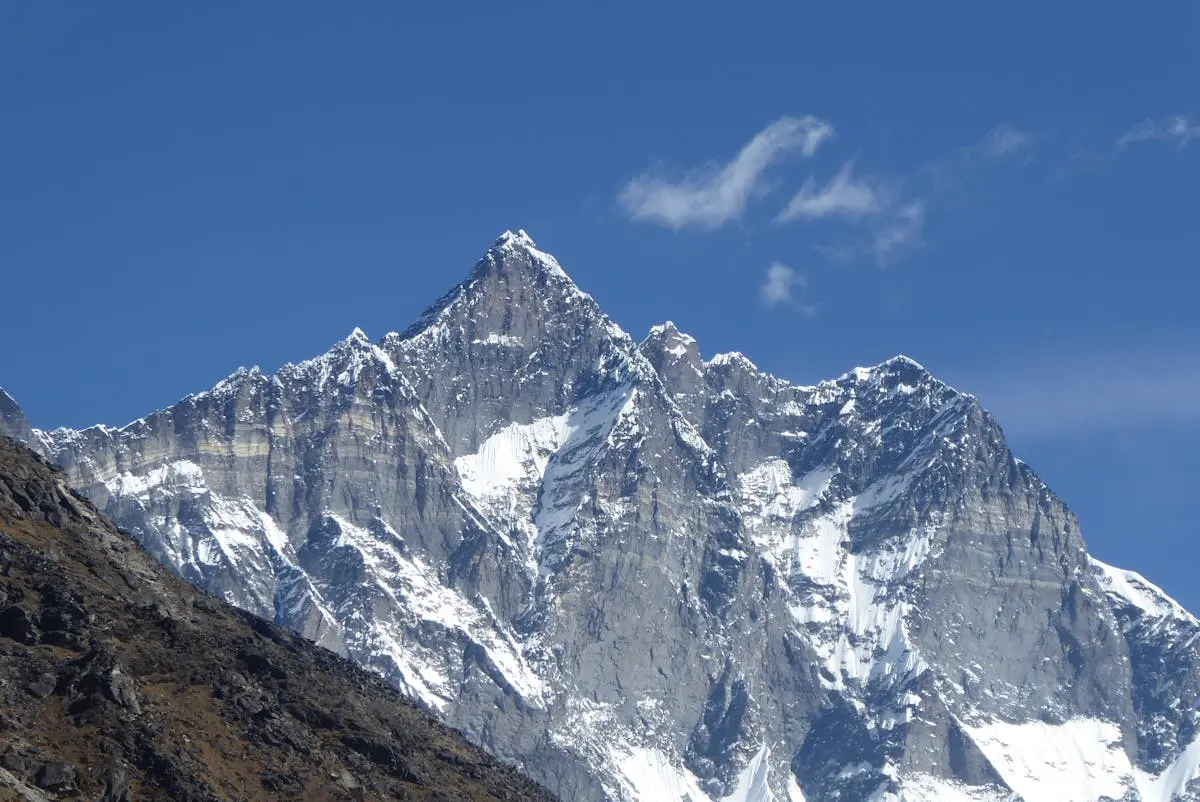
Climbing above 8,000 meters is considered the ultimate challenge in high-altitude mountaineering. The term refers to mountains that rise higher than 8,000 meters (26,247 feet) above sea level, commonly known as the "Eight-Thousanders." There are only 14 such peaks in the world, all located in the Himalayan and Karakoram ranges across Nepal, China (Tibet), Pakistan, and India. These include Mount Everest, K2, Kangchenjunga, Lhotse, Makalu, Cho Oyu, Dhaulagiri, Manaslu, Annapurna I, and others. These towering giants are not just tall but also incredibly dangerous, and summiting them is an achievement reserved for only the most experienced climbers.
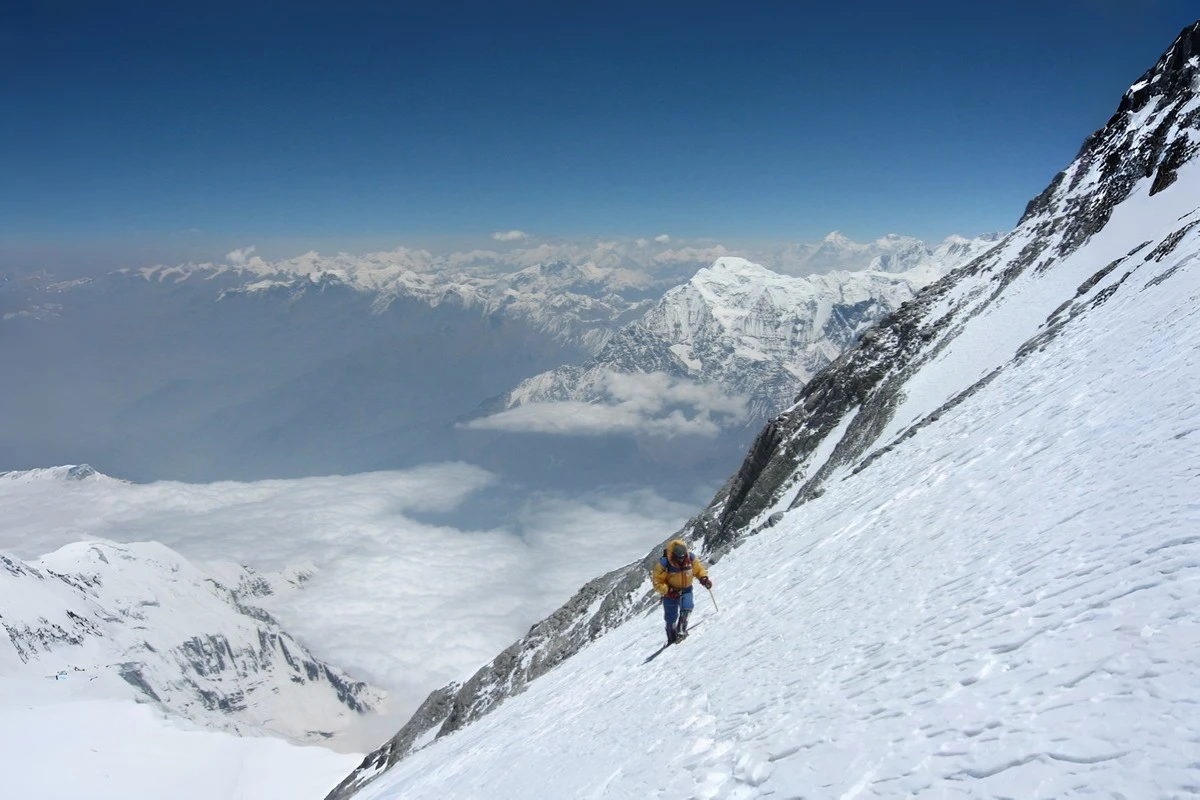
The region above 8,000 meters is called the “Death Zone” due to the extremely low oxygen levels only about one-third of what we breathe at sea level. The human body cannot survive here for long without supplemental oxygen, and the risk of life-threatening altitude sickness such as HAPE and HACE is high. Weather conditions are harsh, and climbers face freezing temperatures, avalanches, crevasses, and extreme exhaustion. Attempting these climbs requires technical skills, mental toughness, and a strong support team, often including professional Sherpas.
Despite the risks, many mountaineers dream of reaching these lofty summits to experience unparalleled views and personal triumph. Climbing an 8,000-meter peak represents the peak of adventure, endurance, and determination. Some elite climbers even aim to summit all 14 eight-thousanders a feat achieved by very few. These mountains symbolize not only physical height but the pinnacle of human ambition, courage, and connection with nature’s rawest beauty. Every step above 8,000 meters tests the limits of survival, making it one of the most extraordinary adventures on Earth.
Country
Duration
Popular
Booking Open
(10 Reviews )
60 Days
Nepal
From $45000

Country
Duration
(5 Reviews )
60 Days
Nepal
From $45000
Country
Duration
Booking Open
(5 Reviews )
56 Days
Nepal
From $26599
Country
Duration
Booking Open
(10 Reviews )
34 Days
Nepal
From $14499
Country
Duration
Popular
(5 Reviews )
45 Days
Nepal
From $19999
Country
Duration
Booking Open
(5 Reviews )
47 Days
Nepal
From $16000
Country
Duration
(4 Reviews )
38 Days
Nepal and Tibet
From $38999
Country
Duration
(6 Reviews )
55 Days
Nepal
From $17499