
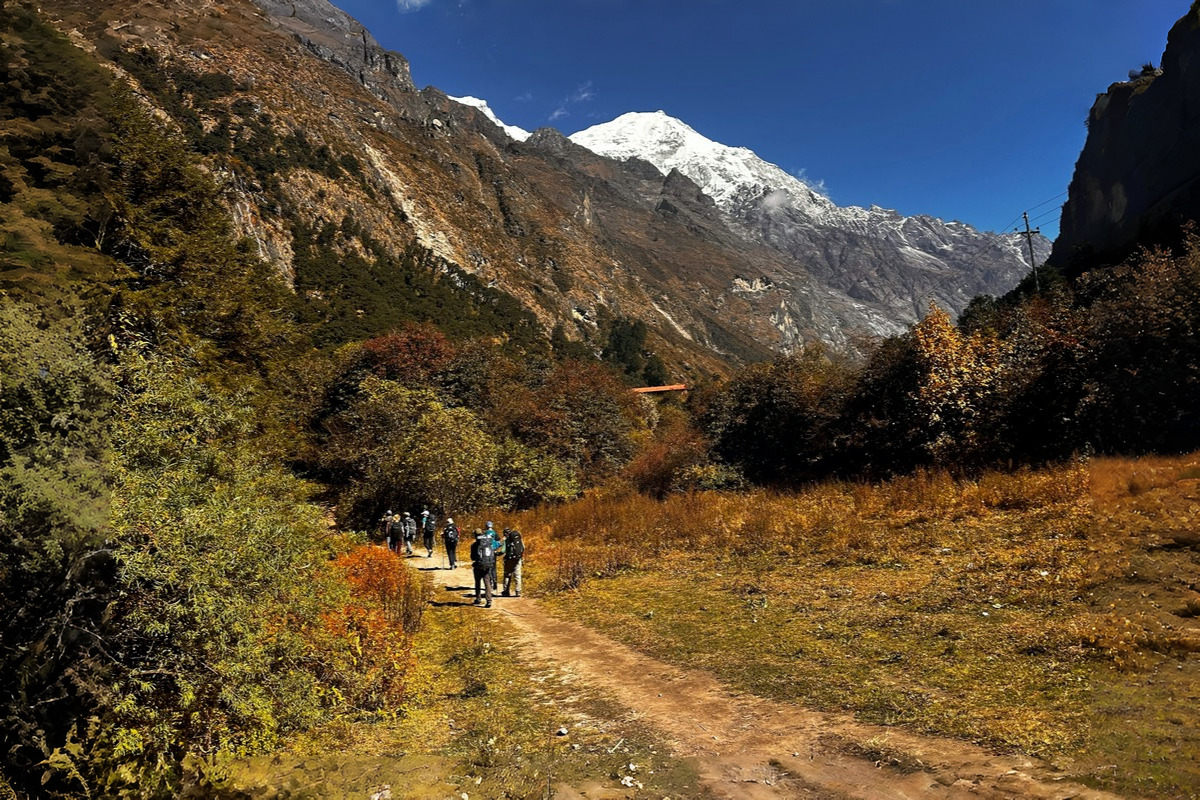
During the trek, trip, or expedition, common challenges are normal, but we now need to know about the high-altitude challenges that occur. High-altitude trekking and climbing offer breathtaking views and unforgettable experiences. However, as you ascend into thinner air, your body faces a major challenge. This condition, known as altitude sickness, is one of the most common difficulties faced by trekkers and climbers in the mountains. Understanding the challenges and knowing how to prevent and manage them can make your journey safer and more enjoyable.
Altitude sickness
Altitude sickness, also known as Acute Mountain Sickness, is a medical condition that occurs during high altitude travel. Altitude sickness usually begins to occur at elevations above 2,500 meters (8,200 feet), especially in mountainous regions such as the Himalayas. When someone ascends rapidly without proper acclimatization, the body cannot adjust efficiently to the reduced oxygen, causing symptoms like headache, dizziness, nausea, vomiting, fatigue, shortness of breath, loss of appetite, and difficulty sleeping. These symptoms may appear within 6 to 24 hours after reaching a higher altitude.
How does altitude sickness affect the body at high altitude?
Altitude sickness affects the body at high altitude, such as when we go up quickly from low altitude, and the body doesn't have enough time to adapt to the lower oxygen levels in thin air. As altitude increases, atmospheric pressure decreases, which means less oxygen is available for our bodies to breathe. Because of this, the body may struggle to function normally, leading to various physical symptoms. Most who trek experience Acute Mountain Sickness at least a little, about two out of five. Headaches may begin mildly, yet sometimes worsen enough to demand going lower. Following a slow climb helps the body adjust without strain. Instead of rushing upward, spacing gains across days allows safer progress. Water intake supports this process, especially when breathing thin air. Symptoms noticed early tend to respond to rest or delay.
There are three main types of altitude sickness:
Acute Mountain Sickness (AMS) – The most common and mild form. Symptoms include headache, nausea, tiredness, and difficulty sleeping.High Altitude Pulmonary Edema (HAPE) – A serious condition where fluid builds up in the lungs, causing severe breathing problems, coughing, and chest tightness.
High Altitude Cerebral Edema (HACE) – The most severe and life-threatening form, where the brain swells due to a lack of oxygen, causing confusion, loss of coordination, and possible unconsciousness.
Altitude sickness can affect anyone, regardless of age, fitness level, or experience in trekking or climbing. However, it is more likely to happen if a person ascends too quickly, does not drink enough water, or does not allow time for acclimatization.
Common Challenges of Altitude Sickness
Headache and Dizziness: One of the earliest and most noticeable symptoms is a headache; sometimes it can worsen if ignored.
Nausea and Loss of Appetite: At high altitude, one may feel nauseous or lose interest in food, which reduces energy levels.
Fatigue and Weakness: Climbing or trekking at altitude can feel exhausting, even with minimal effort.
Shortness of Breath: Due to thinner air, breathing becomes more difficult, especially during physical activity.
Sleep Disturbances: Many people experience poor sleep or frequent waking at higher elevations.
Serious conditions ( HAPE AND HACE): In severe cases, altitude sickness can develop into life-threatening conditions such as fluid in the lungs and brain.
How to overcome altitude sickness during an expedition?
The best ways to prevent altitude sickness include ascending gradually, resting at intermediate altitudes, staying well hydrated, avoiding alcohol, and recognizing symptoms early. If symptoms become severe, the most effective treatment is to descend to a lower altitude immediately and seek medical help if necessary. If not managed properly, altitude sickness can become serious. Proper acclimatization, hydration, and a slow pace are essential to reduce risks. Eat light but frequent meals, focus on high-carbohydrate foods, and drink warm fluids like soup or tea. Walk at a slow and steady pace. Follow the "climb high, sleep low" principle and allow your body time to adjust. Take deep, controlled breaths, and maintain a comfortable pace. Avoid overexertion.
Challenges during trek/expedition
During the trek, major challenges appear along the way. Trekking and high-altitude expeditions are some of the most rewarding adventures, offering breathtaking landscapes and a deep sense of achievement. However, these journeys are not without challenges. Whether you are trekking in the Himalayas or climbing a remote peak, understanding these difficulties helps you prepare better and stay safe. One of the biggest challenges during trekking and expeditions is altitude-related illness. Mountain weather can change rapidly. Clear skies in the morning can turn into storms, snowfall, or heavy rain within hours. Sudden weather shifts can affect visibility, trail safety, and overall progress. Trekkers and climbers must always be prepared with proper clothing, gear, and flexible plans to adapt to changing conditions. Long walking hours, steep ascents, and rough terrain can be physically exhausting. Carrying backpacks adds extra strain on the body. Over time, fatigue can affect both physical performance and mental focus.
Mental strength is equally important. Staying motivated in tough conditions, especially when facing discomfort or delays, is a major challenge during a trek and an expedition. Trails during trekking and expeditions are often uneven, rocky, or icy. Crossing rivers, glaciers, and narrow paths requires balance and caution. In high-altitude expeditions, climbers may face technical sections requiring specialized equipment and skills. Remote trekking routes offer minimal facilities. Accommodation may be basic, and access to electricity, internet, or hot showers is limited. Food options can also be simple and repetitive. Adjusting to a simpler lifestyle and managing expectations is necessary for a comfortable experience. During trekking, slips, falls, and injuries are common risks, especially on steep or icy trails. In expeditions, risks increase due to avalanches, crevasses, and falling rocks. Following safety guidelines, using proper equipment, and listening to experienced guides can significantly reduce these risks. Most trekking and expedition routes have limited or no network coverage. In case of emergencies, communication can be difficult. Carrying satellite phones or emergency communication devices is important for safety during remote adventures. Sometimes, improper behavior or lack of awareness can create misunderstandings between communities and tourists. Additionally, preserving nature by avoiding littering and minimizing impact is an important responsibility.
Trekking and expeditions are filled with challenges, but these difficulties are what make our journey meaningful. With proper preparation, awareness, and a positive mindset, these challenges can be overcome, turning the adventure into an unforgettable experience. Altitude sickness is a serious but manageable challenge. With proper preparation, awareness, and a cautious approach, you can safely enjoy the beauty of high-altitude adventures.
|
Planning a Trip? Get a free consultation from our travel experts with over a decade of experience. |

Himalaya King
Himalaya King
Adventure Awaits — Let’s Begin Your Journey


