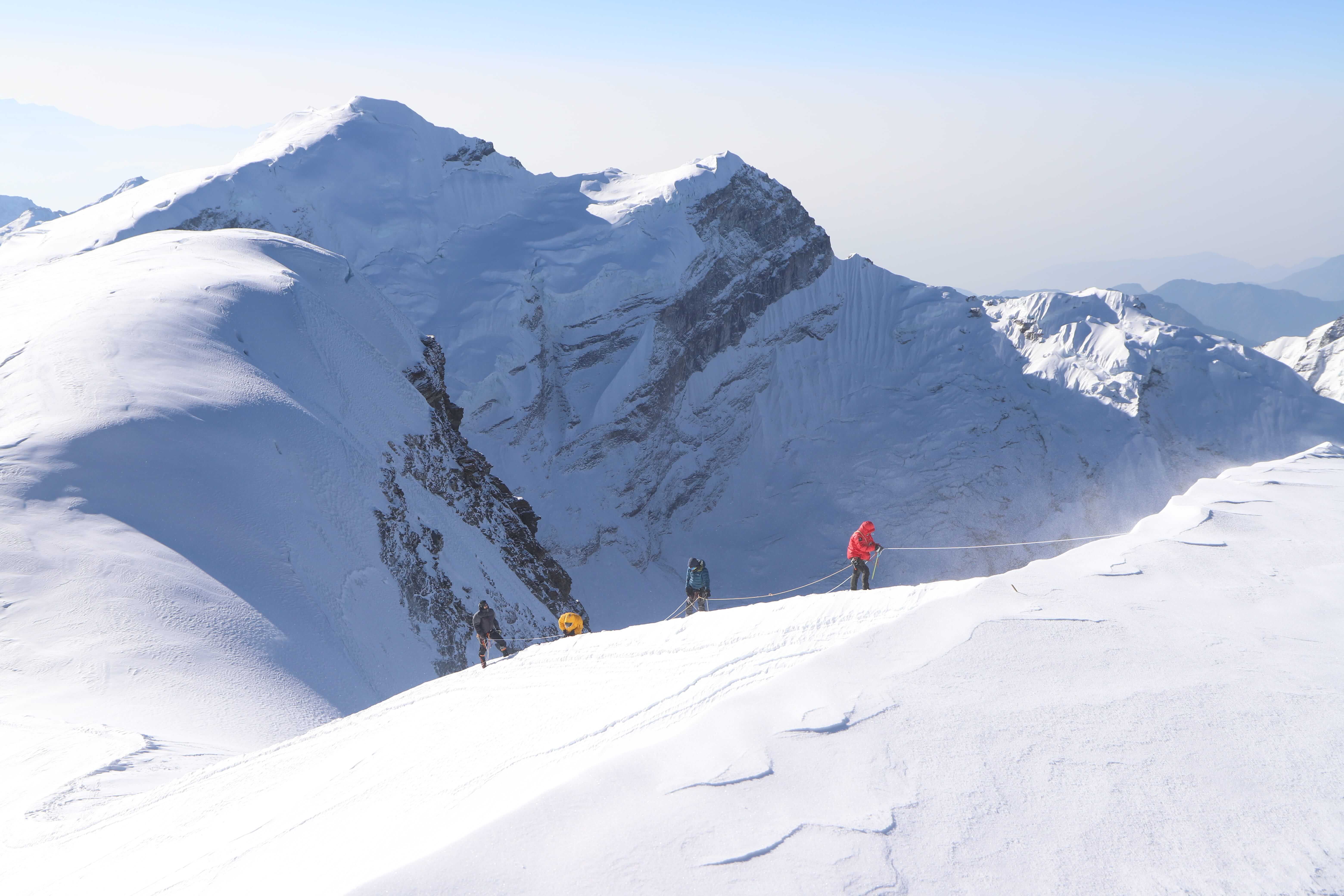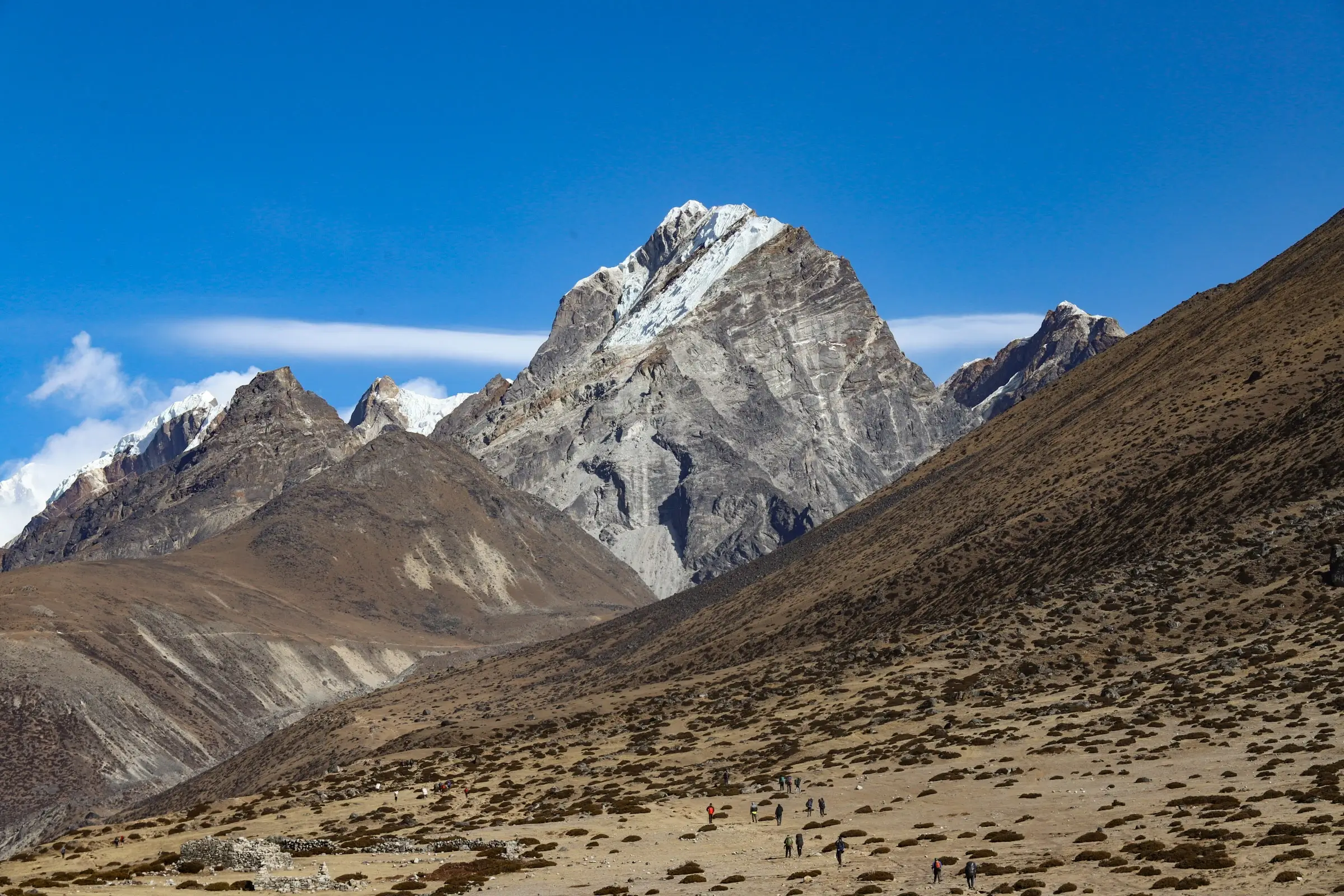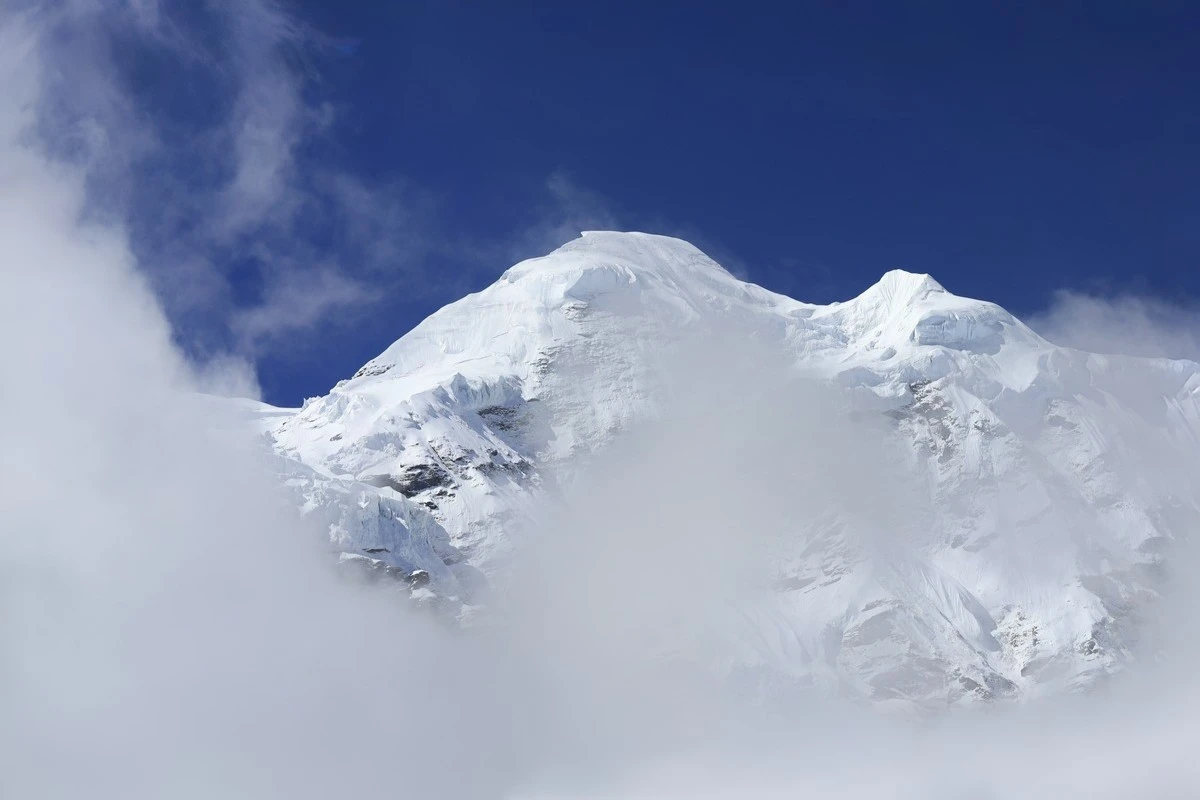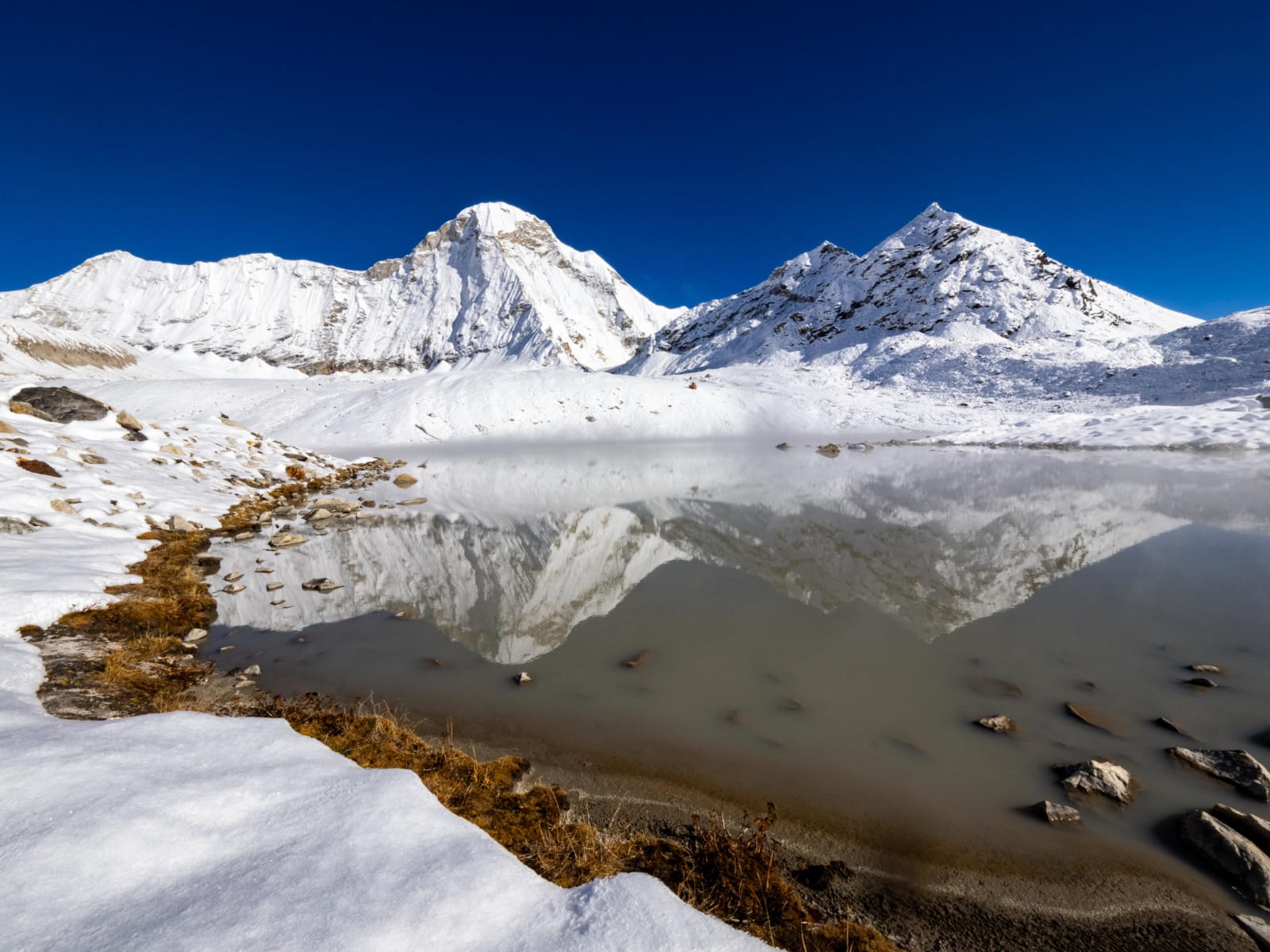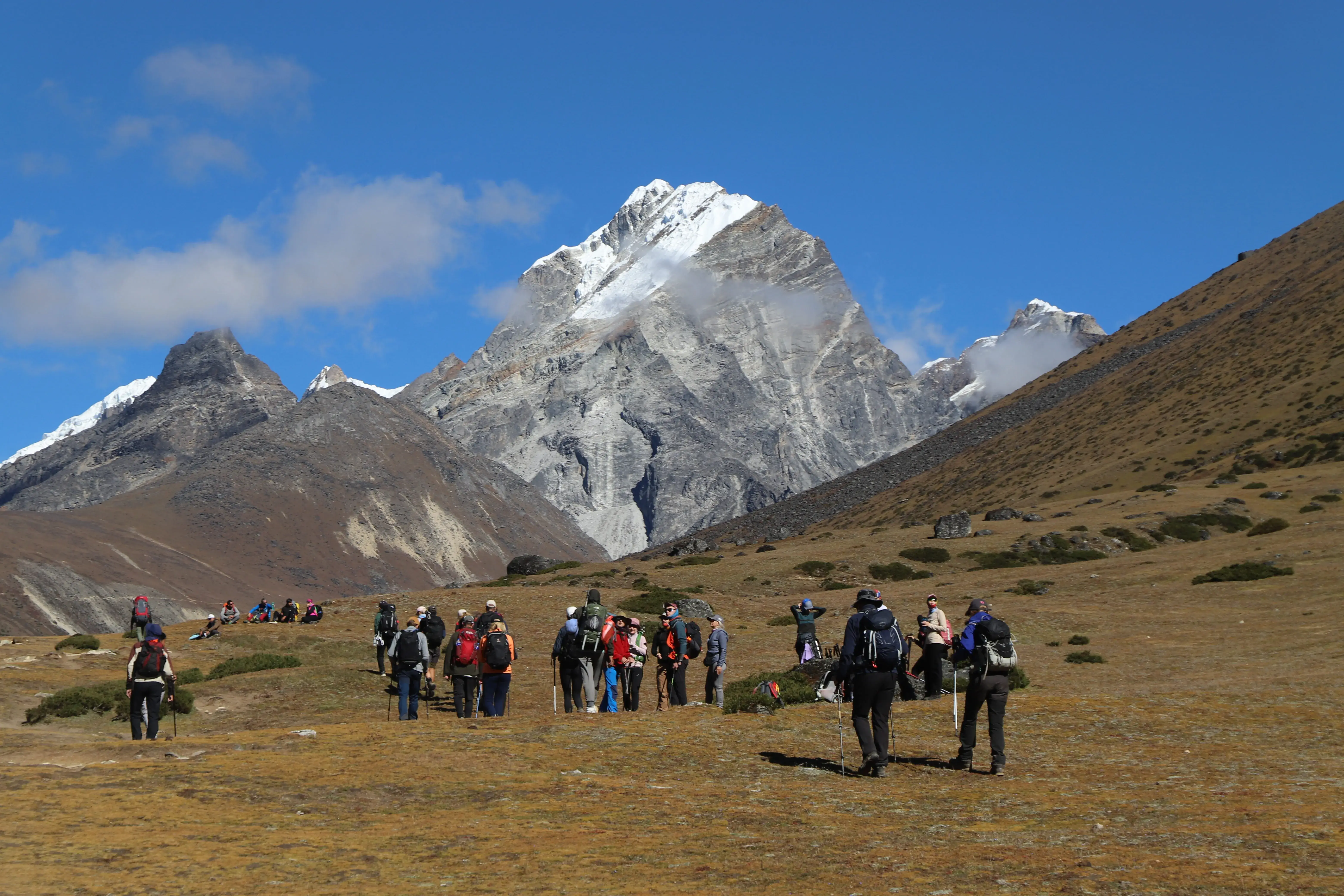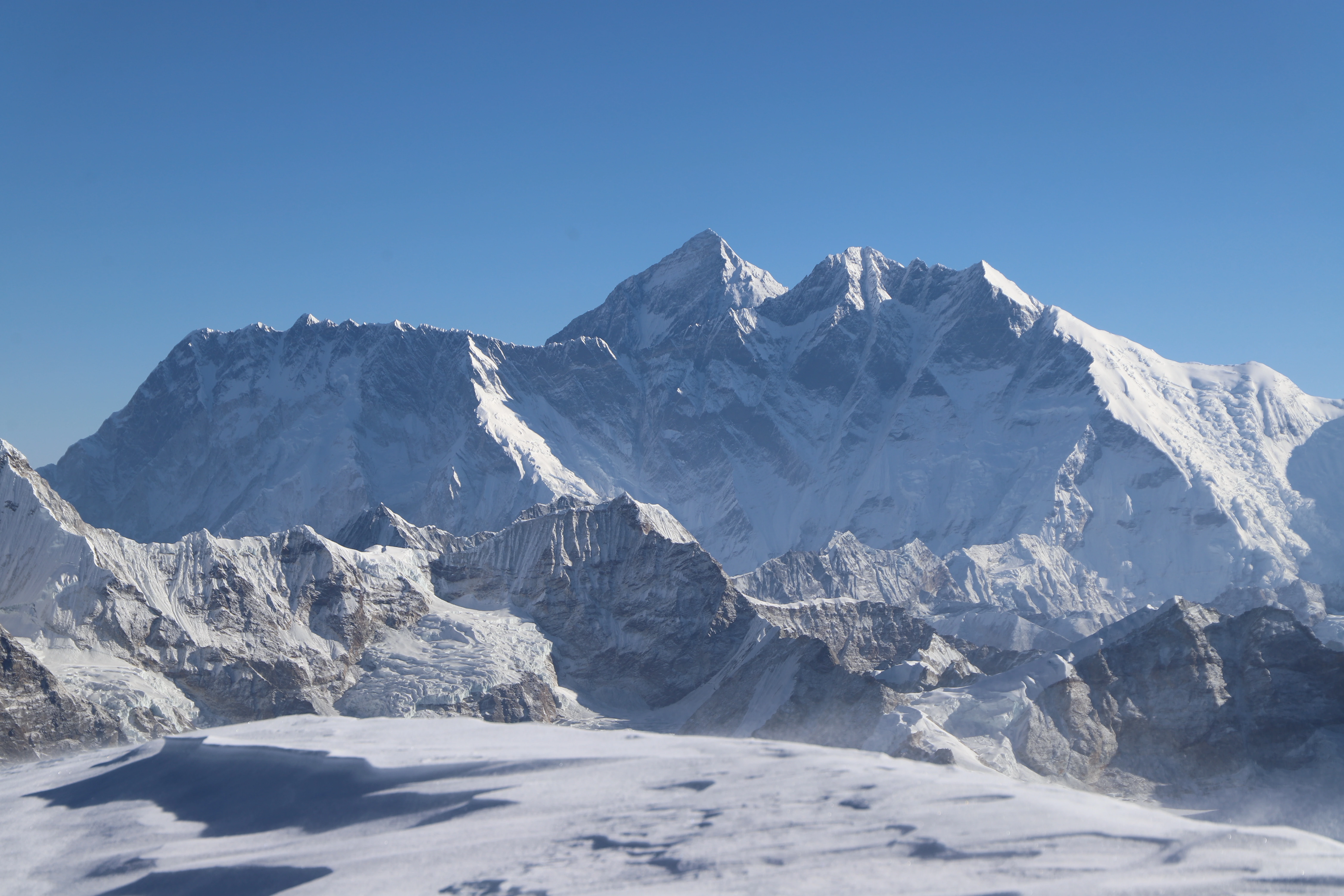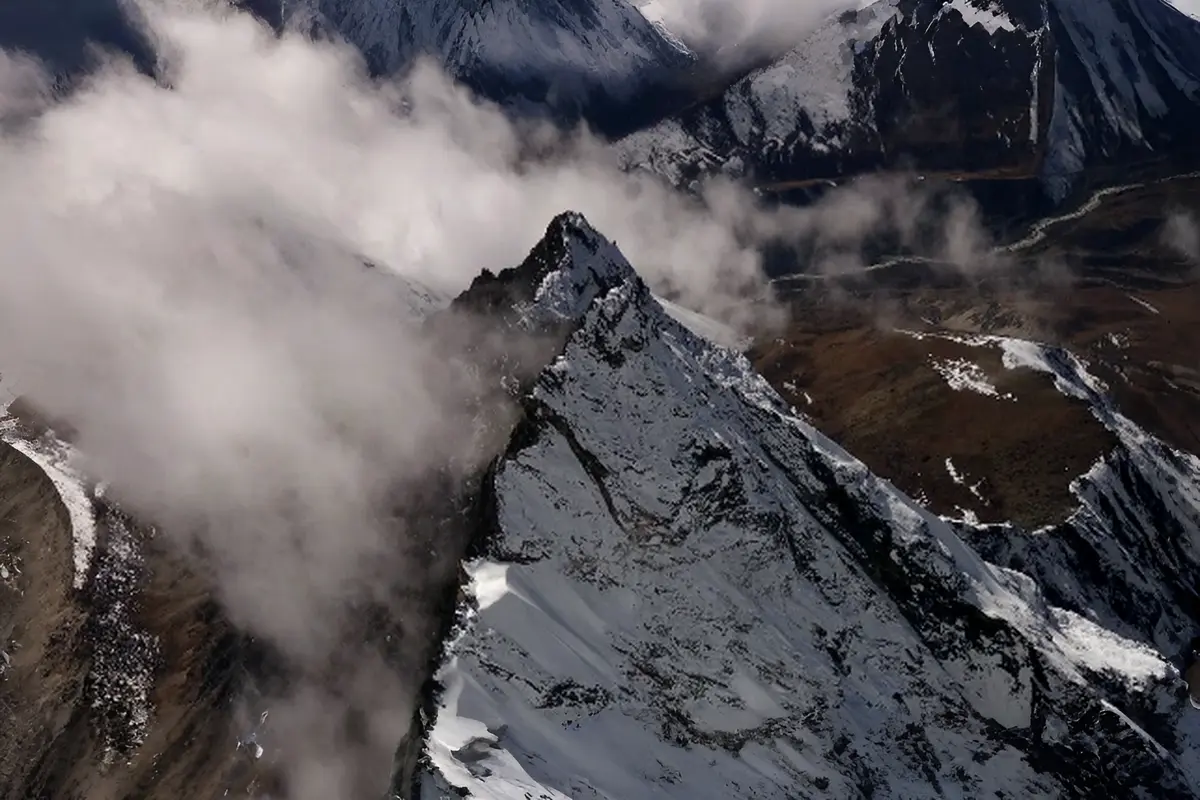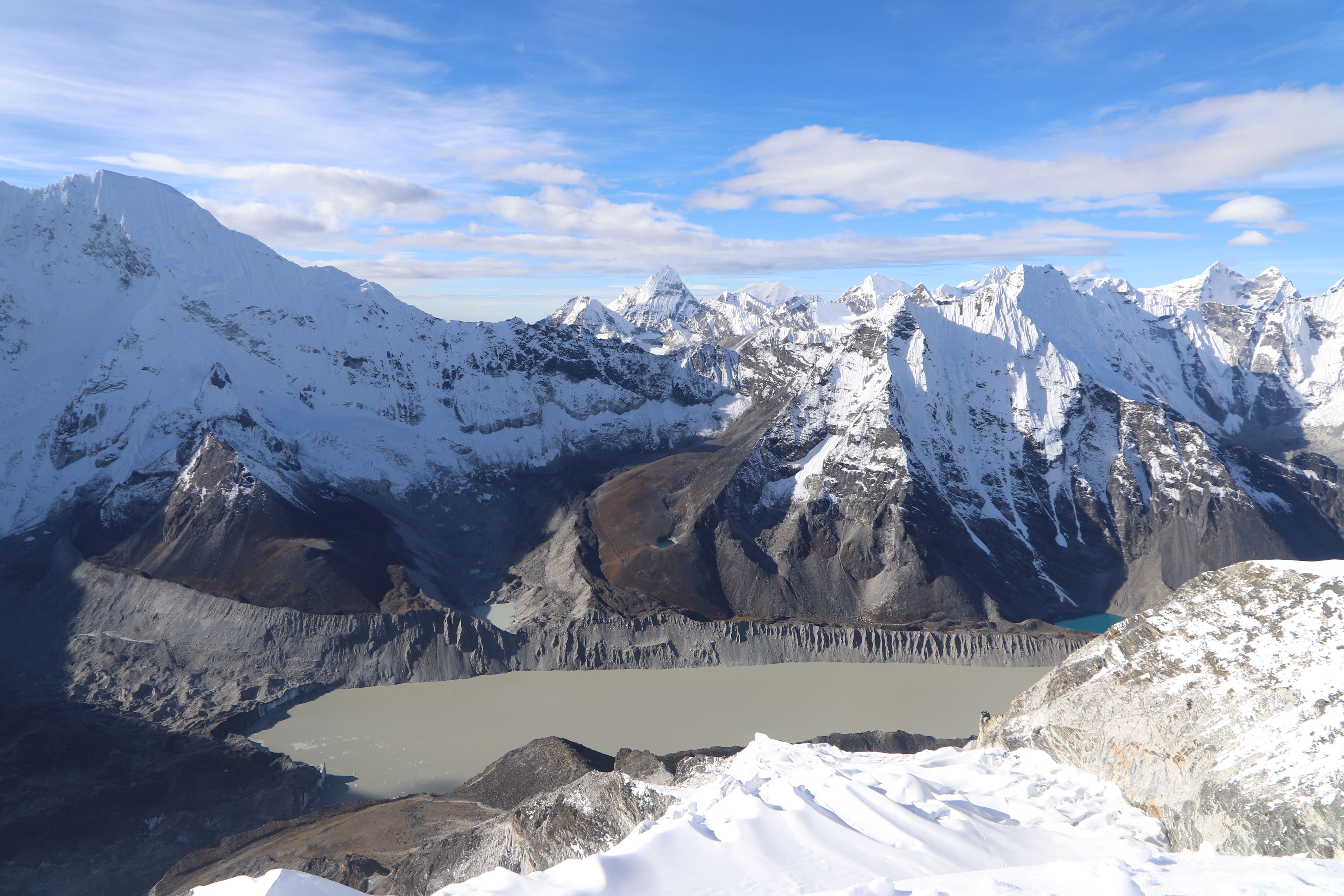
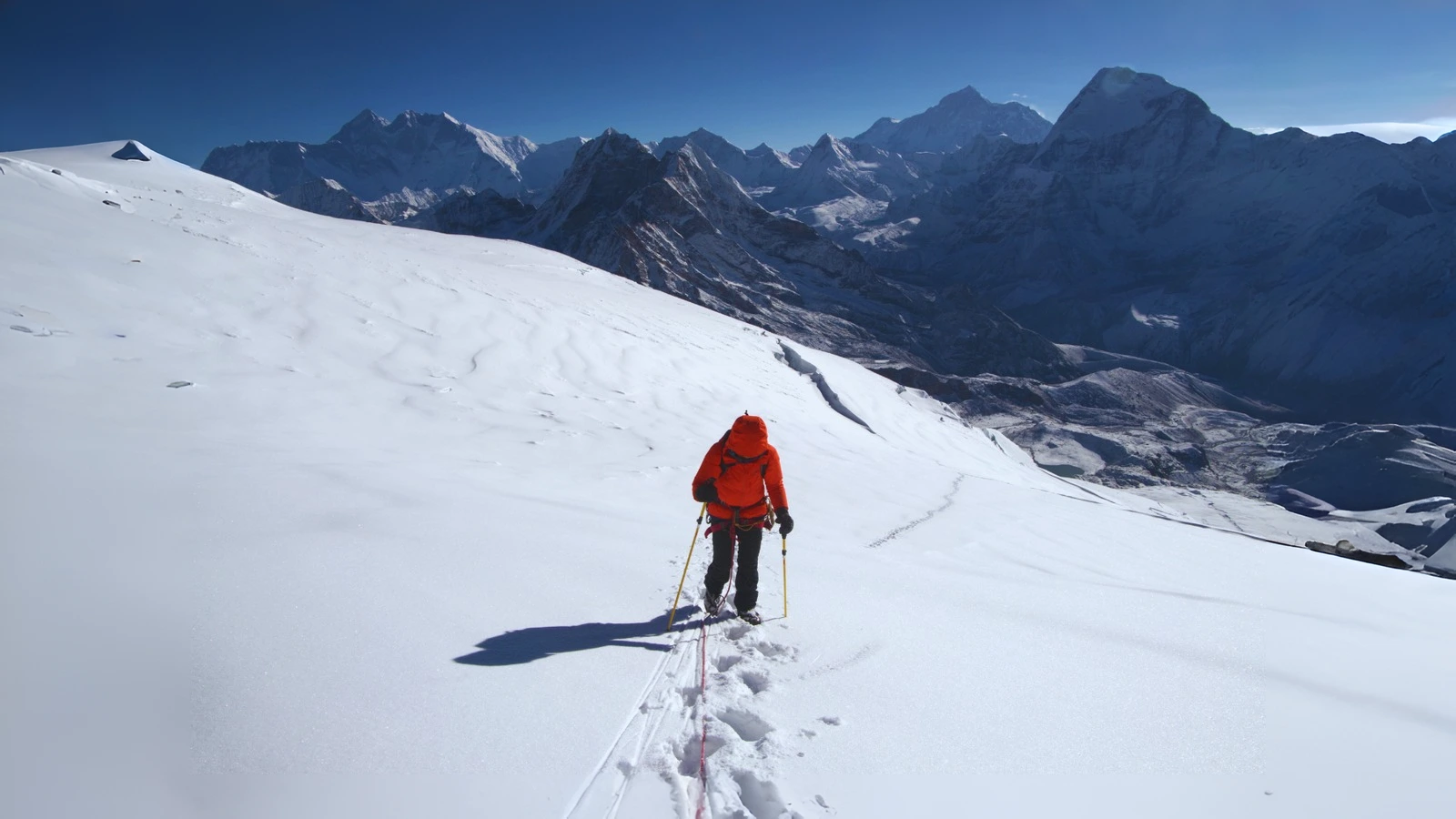
Peak Climbing in Nepal offers the perfect balance between high-altitude adventure and technical mountaineering challenge. Unlike the extreme 8,000-meter expeditions, trekking peaks in Nepal range between 5,800 meters to 6,800 meters and are ideal for climbers seeking real Himalayan summit experience without entering the “Death Zone.” These peaks provide breathtaking Himalayan panoramas, glacier crossings, ice walls, and ridge climbs while remaining achievable for well-prepared adventurers.
Nepal is home to some of the world’s most iconic climbing peaks, including Island Peak (Imja Tse), Mera Peak, Lobuche Peak, Pisang Peak, and Tent Peak. These mountains are located in the Everest, Annapurna, and Langtang regions, combining trekking with mountaineering. Climbers experience diverse landscapes—from lush forests and Sherpa villages to high alpine glaciers and dramatic ice faces.
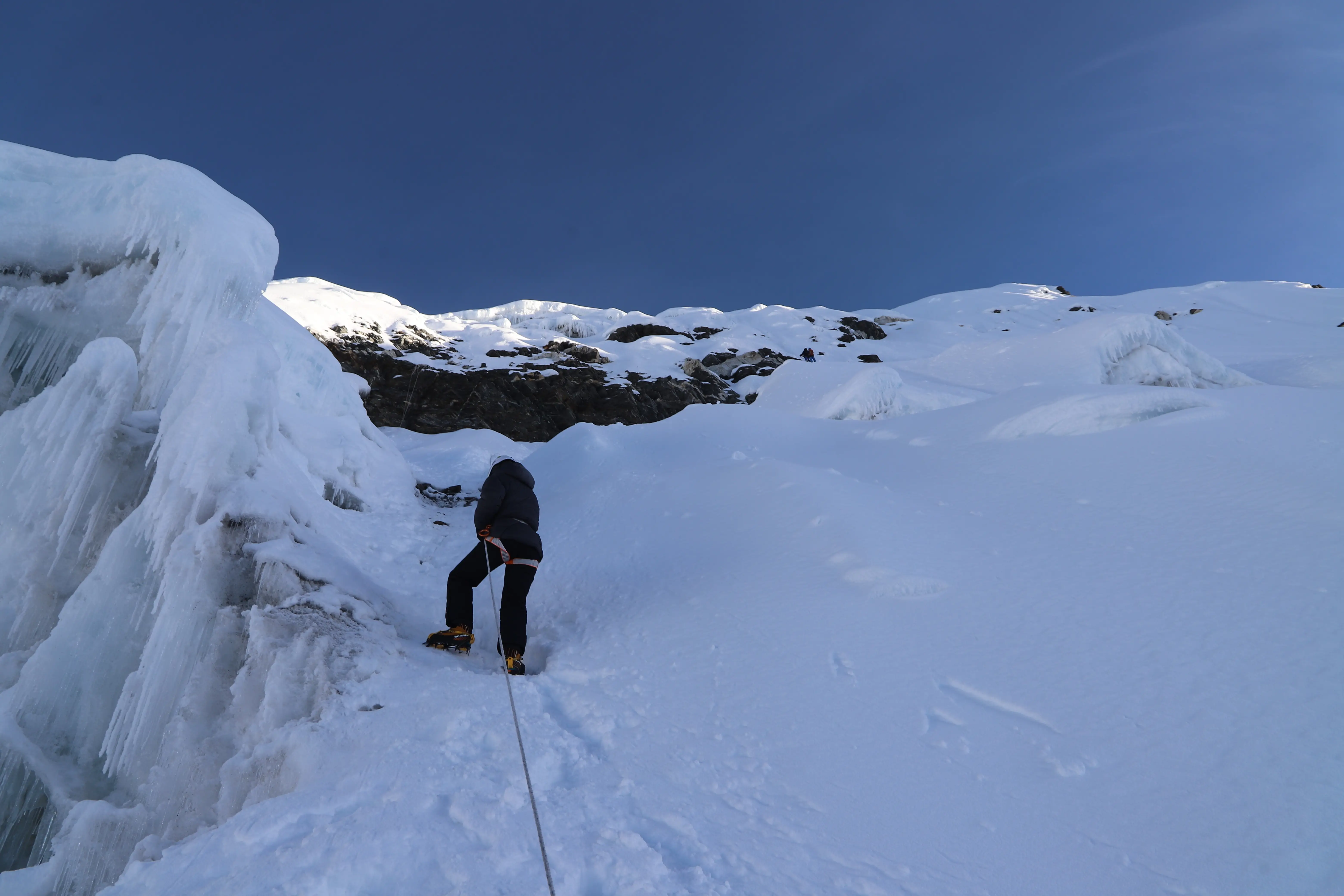
Peak climbing requires basic technical skills such as using crampons, ice axes, ropes, and harnesses. Proper acclimatization, physical fitness, and guidance from experienced Sherpa climbing guides are essential for a safe and successful ascent. Weather conditions, altitude, and glacier travel add to the adventure, making every summit both a physical and mental achievement.
Reaching the summit of a Himalayan peak is more than just standing at the top—it is about determination, preparation, teamwork, and embracing the raw beauty of Nepal’s mountains. Whether you are preparing for future 8,000m expeditions or fulfilling your dream of a first Himalayan summit, peak climbing in Nepal delivers an unforgettable high-altitude experience.