
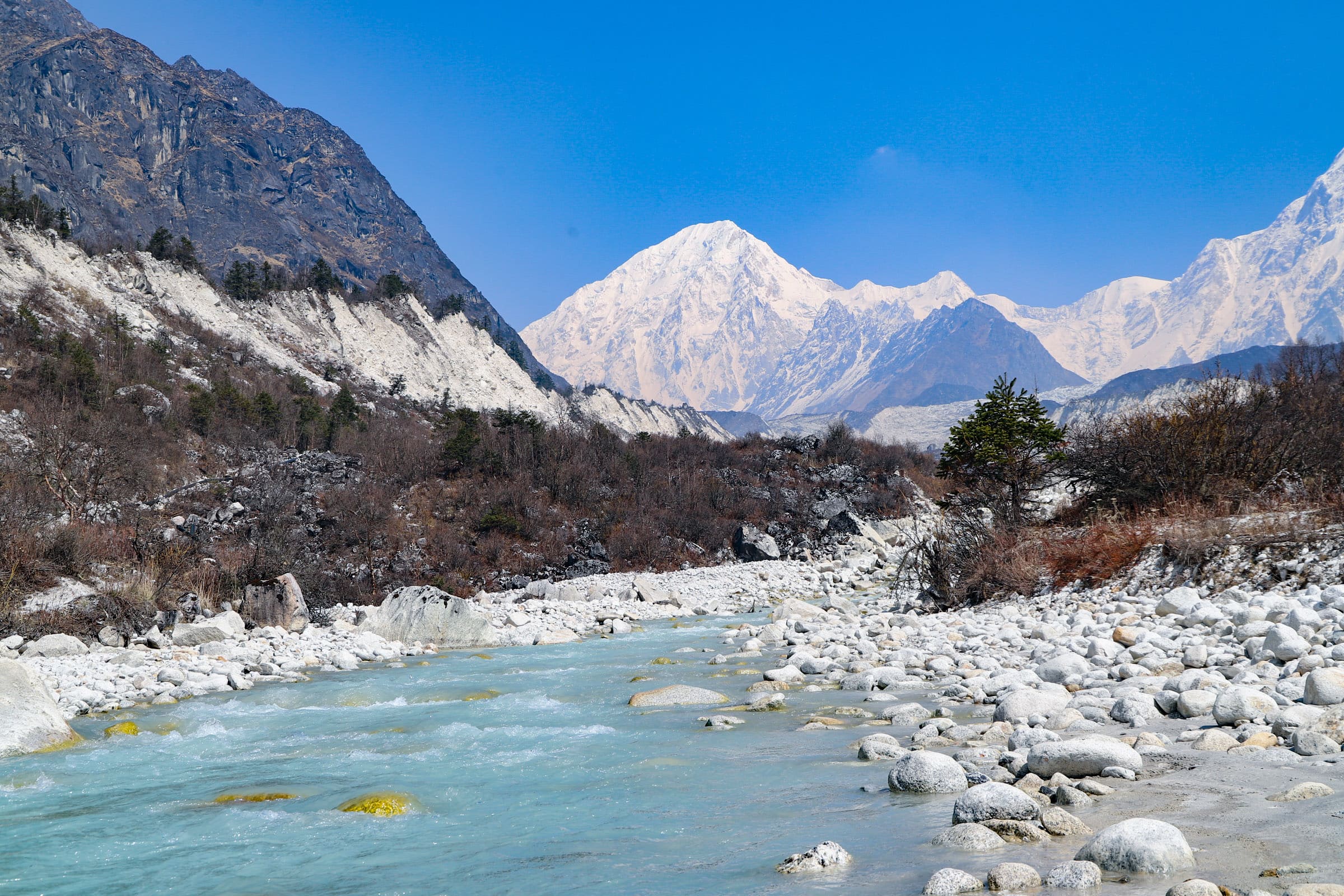
Successfully climbing an 8,000-meter peak is more than just an achievement; it means you have surpassed your limits, gained confidence, and gained experience in high-altitude climbing. Conquering such a mountain is a significant accomplishment. Climbing above 8,000 meters is a goal for every adventure lover. Successfully climbing 8,000 meters high altitude peak is one of the most demanding achievements in high altitude. Climbing an 8,000-meter mountain represents one of the greatest challenges in the world of adventure. These peaks rise into the “death zone,” where oxygen levels are extremely low, and weather conditions are unpredictable. Only careful planning, discipline, and teamwork allow climbers to reach such heights safely.
Many of the world’s tallest mountains are in the Himalayas, including Mount Everest and K2. Planning an expedition to these peaks is a complex process that takes months of preparation. From team building to logistics, every step needs careful management.
Below is a step-by-step overview of how a successful 8,000-meter expedition is organized.
1. Selecting the Mountain and Route
The first step in any expedition is defining the objective. Climbers must choose which peak they want to climb and determine the route they will follow. Choosing a mountain before the expedition is necessary for further planning to choose a route. Some climbers select a standard route because it has been used successfully by previous expeditions. Choose the mountains based on your technical abilities. Others may attempt more technical routes for greater challenge to check their physical endurance.
Important factors to study during the expeditions:
Difficulty of the terrain: Understanding the difficulty of the terrain and the route is important, as choosing the mountain before the expedition.
Historical success rates: Success rates show the value of the mountain and the safety of life.
Avalanche risks: Understanding avalanche risk helps to keep away from disaster. When you go during the off-season, there will be a risk of avalanches due to the unpredictable weather and season.
Seasonal weather conditions: Understanding weather helps to summit successfully with safety. Before embarking on the expedition, studying the season is necessary to do the expedition successfully.
Understanding the mountain helps climbers prepare for the specific challenges they will face.
2. Building a Strong Expedition Team
An expedition is never a solo effort. It requires a group of people working together with clear responsibilities. Building a strong expedition team is more than just finding the best climbers; it is about finding one's own comfort, confidence, and success. Without the team, expeditions become very hard for anyone, as unity is strength.
A typical 8,000-meter expedition team may include:
Expedition leader: The expedition leader is also the pillar of the team who manages logistics, balances personalities, and makes critical safety decisions.
Experienced climbers: Without the experienced climbers, doing a successful expedition is impossible. An experienced climber knows how to handle difficult situations and knows about mountaineering skills.
High-altitude guides or Sherpas: Climbing guides make you feel safe and confident during the expedition. Experienced high-altitude guides and Sherpas help you to prepare for the expedition. Experienced guides and sherpas can handle any emergency and manage it properly. They will forecast the weather. They play an important role in a successful expedition.
Base camp manager: Base camp manager who handles everything in Basecamp and provides quality service during the expedition. With the help of Basecamp Manager, you can focus on the preparation of the expedition with no stress. They maintain the supply chain and emergency communication.
Cook and kitchen staff: Cook and kitchen staff handle everything from preparing meals to serving healthy and fresh meals to the expedition team. Without the cook and the kitchen staff having fresh and healthy meals at high altitudes is impossible.
Porters or yak drivers: Porters and yak drivers help to shift the things and essential equipment at high altitudes.
Teamwork is critical. At extreme altitude, climbers depend on each other for safety, support, and decision-making. Teamwork led the expedition to success.
3. Permits and Official Requirements
Climbing major Himalayan peaks requires government permits and documentation. Expedition organizers must submit applications months before the climbing season. Permits are the essential requirement for the Himalayan mountaineering gate pass and for one's own safety. For every Himalayan adventure, you need permits to enter Himalayan or restricted area treks. With recognized permits, you can do a trek easily by following the rules and regulations. A permit can be obtained from only a government-registered local trekking and expedition company through Nepal Mountaineering Association, the Department of Tourism, and TAAN.
For example, climbing Mount Everest requires permits issued by the Department of Tourism, Nepal.
Typical requirements include:
Climbing permits: Climbing permits is need for to climb mountains or peaks above 7,000 feet with some government rules and regulations. Permits help the government track the climbers to ensure their safety.
Garbage deposits: Garbage deposits are necessary to help maintain the ecological integrity of the Himalaya. Garbage deposit is a refundable fee paid to the government before the expedition. It helps to keep the mountain clean and safe.
Liaison officer assignments.
Insurance coverage for climbers and staff.
These regulations help manage safety and protect the mountain environment. This played an important role in sustainable development.
4. Financial Planning and Budget
Mountaineering expeditions at this level are expensive. Costs can reach tens of thousands of dollars per climber. Cost depends on different peaks and mountains, with their duration. The cost of the permit depends on the season. Every companies have their own package price list for expeditions, where you can book your next expedition with full preparation and a budget plan.
Major expenses include:
- Government permits
- Travel and flights
- Equipment and climbing gear
- Oxygen systems
- Food and fuel supplies
- Staff wages and logistics support
- Careful budgeting ensures the expedition can operate smoothly without financial problems during the climb.
- Physical and technical preparation add links in a short definition
- Logistics is one of the most complicated aspects of an expedition.
- Before the climb even begins, equipment and supplies must be transported from international airports to remote mountain regions.
Typical steps include:
- International travel to the host country
- Domestic travel to the trekking starting point
- Hiring porters or animals to carry equipment
- Trekking for several days to reach the base camp
- In many Himalayan expeditions, reaching base camp itself can take over a week of trekking.
5. Establishing Base Camp
Base camp serves as the main operational center of the expedition. It is where climbers rest, recover, and plan their movements on the mountain. In Basecamp, the Basecamp team organizes tents and camping facilities, including Kitchen, dining, bathroom, sleeping, and other amenities. In Basecamp, there are no tea houses or lodges, so the expedition group has to establish tents and others' own for the expedition period.
A well-organized base camp includes:
- Sleeping tents
- Kitchen and dining tents
- Medical supplies
- Communication systems
- Weather monitoring equipment
- Climbers may spend several weeks at base camp during the acclimatization process.
6. Acclimatization and Rotation Strategy
Acclimatization is essential for surviving at high altitude. As climbers ascend, oxygen levels decrease dramatically, which can cause serious health problems such as Altitude sickness. Acclimatization helps to adjust your body to high altitude. With proper acclimatization, you can do your expedition successfully.
To adapt safely, climbers follow a rotation system:
Climb to Camp 1 and return to base camp
Climb to Camp 2 and descend again
Carry supplies to higher camps
Rest and recover between rotations
This gradual exposure allows the body to adapt to the thin air.
7. Establishing High Camps
Above base camp, several higher camps are placed along the route.
A typical structure may include:
Camp 1: First staging point above base camp
Camp 2: Advanced base camp
Camp 3: High-altitude camp
Camp 4: Final summit camp
Each camp stores equipment, food, and emergency supplies needed for the final push to the summit.
8. Waiting for the Summit Window
Patience is one of the most important qualities in mountaineering. Climbers often spend days waiting at base camp or higher camps for a safe weather window.
Strong winds and storms can make summit attempts impossible. Teams must carefully monitor forecasts and wait for stable conditions before beginning the final climb.
Waiting together also strengthens the expedition team, allowing climbers to rest, prepare equipment, and support each other mentally.
9. The Summit Push
The summit attempt usually begins from the highest camp during the early hours of the night. Climbers move slowly and steadily, conserving energy while managing oxygen supplies and hydration. At altitudes above 8,000 meters, the body struggles to function normally. Decision-making becomes more difficult, and climbers must constantly evaluate their condition and the safety of the route. Reaching the summit is an incredible achievement, but it is only half the journey.
10. Safe Descent and Expedition Completion
The descent is often the most dangerous part of the expedition. Fatigue, changing weather, and reduced concentration can increase risks. Climbers must carefully follow fixed ropes and descend safely to lower camps before finally returning to base camp. A successful expedition is not measured only by reaching the summit. The true goal is for every member of the team to return safely.
|
Planning a Trip? Get a free consultation from our travel experts with over a decade of experience. |

Himalaya King
Himalaya King
Adventure Awaits — Let’s Begin Your Journey


