
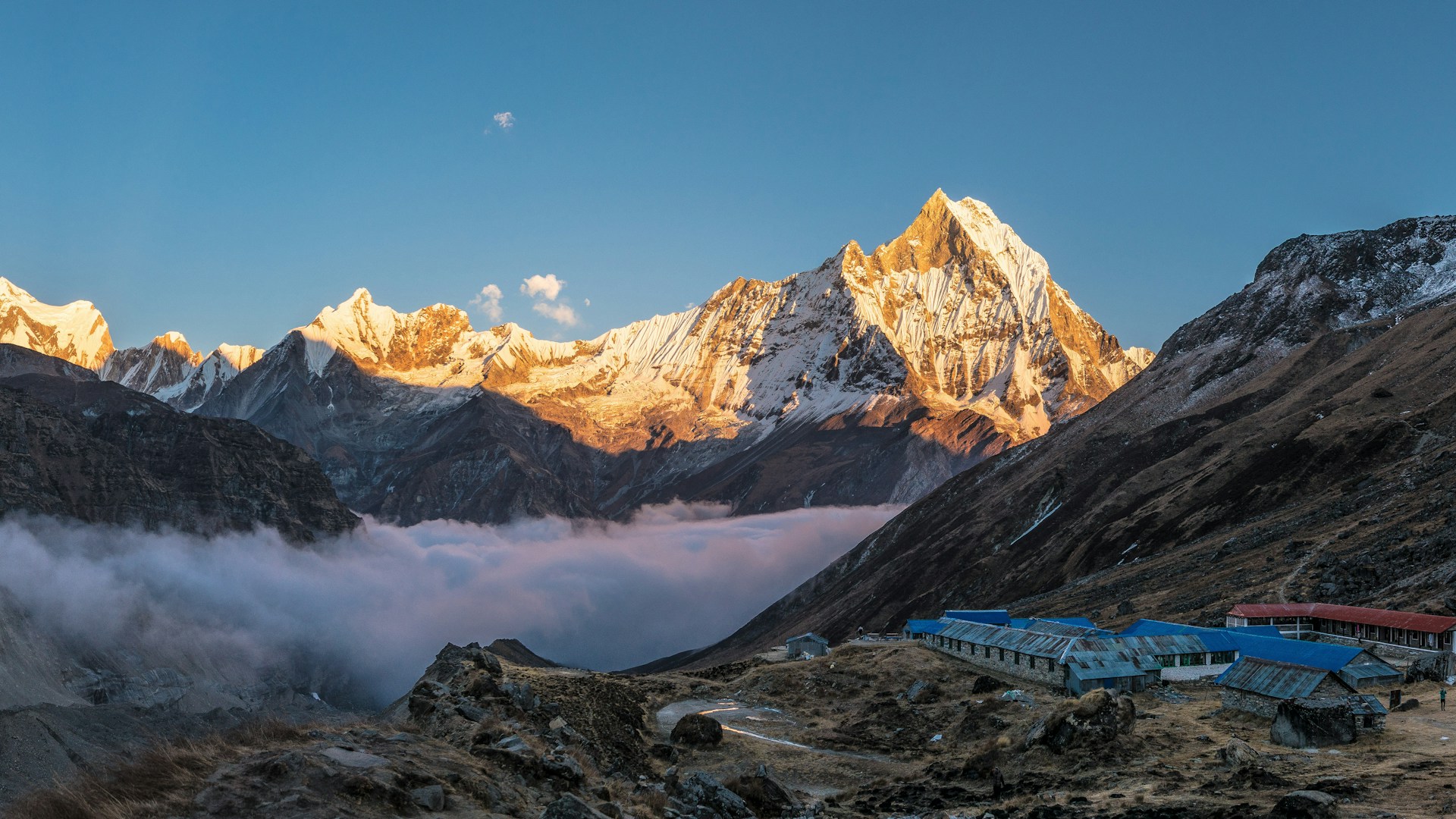
Best Time for Annapurna Base Camp Trek in 2026/2027: A Month-by-Month Guide
Planning a trip to Annapurna Base Camp in the 2026/2027 season? The first big decision is when to go, and it matters more than most people expect.
Weather in this part of Nepal changes a lot through the year. It also changes with altitude. A warm afternoon in Pokhara tells you almost nothing about what a night at Base Camp will feel like.
In this guide, we'll walk through every month of the year for the Annapurna Base Camp trek, with typical temperature patterns, rainfall patterns, and crowd levels, so you can pick a month that actually fits what you want from the trip.
So, When Should You Go?
If you just want a quick answer: April and October are the strongest months. April is warm and colorful, with rhododendrons in bloom and daytime temperatures around 16 to 23°C lower down (0 to 10°C up at Base Camp). October is drier and clearer, with daytime highs closer to 10 to 20°C on the lower trail and views that are hard to beat.
November comes a close third if you want October's clear skies without October's crowds.
For most trekkers, spring and autumn work best overall, and March, April, October, and November are the four standout months. If flowers matter to you, aim for April. If clear mountain views are the whole point of the trip, go for October or November instead.
September can work well too, especially if you'd rather deal with a bit of leftover rain early in the month than fight the October crowds. Winter is doable if you're experienced and prepared for real cold. The monsoon, June through August, is the quietest and greenest time on the trail, though also the wettest and least predictable.
One honest caveat: seasonal patterns are just that, patterns. Nobody can tell you exactly what the weather will do during your specific week, whichever year of the season you're trekking in.
Annapurna Base Camp Seasons at a Glance
|
Season |
Months |
Daytime Temp (lower trail) |
Temp at Base Camp |
What it's like |
|
Spring |
March-May |
16-23°C |
0-10°C by day, down to -8°C at night |
Warming up, rhododendrons blooming, more cloud late in the season |
|
Monsoon |
June-August |
20-25°C |
5-12°C |
Regular rain, muddy trails, very few trekkers, everything green |
|
Autumn |
Sept-Nov |
10-20°C |
-5 to 8°C, freezing at night from November |
The clearest skies of the year, stable trails, and Dashain and Tihar usually falling somewhere in this window |
|
Winter |
Dec-Feb |
8-15°C |
Often below 0°C by day, below -10°C at night |
Occasional snow above 3,500m, the quietest trails of the year |
If it's your first Himalayan trek, spring or autumn will give you the easiest ride. Conditions are simply more forgiving in both temperature and footing.
Spring: March to May
Spring is when this trail looks its best. As the weeks go by, the forests turn green and rhododendrons open up in red, pink, and white, especially along the stretch between Chhomrong and Bamboo.
March
Spring technically starts in March, but winter doesn't let go easily. You'll still find frost most mornings at Deurali (around 3,200m) and Machhapuchhre Base Camp (around 3,700m) for at least the first couple of weeks.
Daytime temperatures usually sit around 12 to 18°C lower down, closer to 0 to 5°C up at Base Camp, with nights dropping as low as -8°C. Some rhododendrons start flowering at lower elevations in late February, though the real show comes later, in April.
If you want early spring scenery with a much thinner crowd than April, March is a solid pick. Just don't underestimate how cold it still gets once you're above 3,000 metres.
April
April is usually the best month of spring for this trek. It's the warmest month on the route, and rhododendrons are usually at their best in March and April, with flowering continuing into May at higher elevations, including along the Chhomrong-Bamboo-Himalaya stretch. Expect roughly 16 to 23°C lower down and 0 to 10°C at Annapurna Base Camp.
Mornings tend to give you the clearest views, before cloud tends to build up later in the day. That cloud becomes more common as April rolls into the pre-monsoon weeks.
It's also the busiest spring month by far. Teahouses at Chhomrong, Deurali, and MBC fill up fast, so book well ahead if April is your target.
May
May is warmer than March and April, but it's also less reliable, since the monsoon starts building moisture in the background.
Expect 18 to 25°C on the lower trail and 5 to 12°C at Base Camp, with afternoon cloud and short showers becoming more common as the month goes on. Rhododendrons are usually past their best by late May in most spots.
It still works if your schedule doesn't allow an earlier trip. Just don't expect the same number of clear-view mornings you'd get in April.
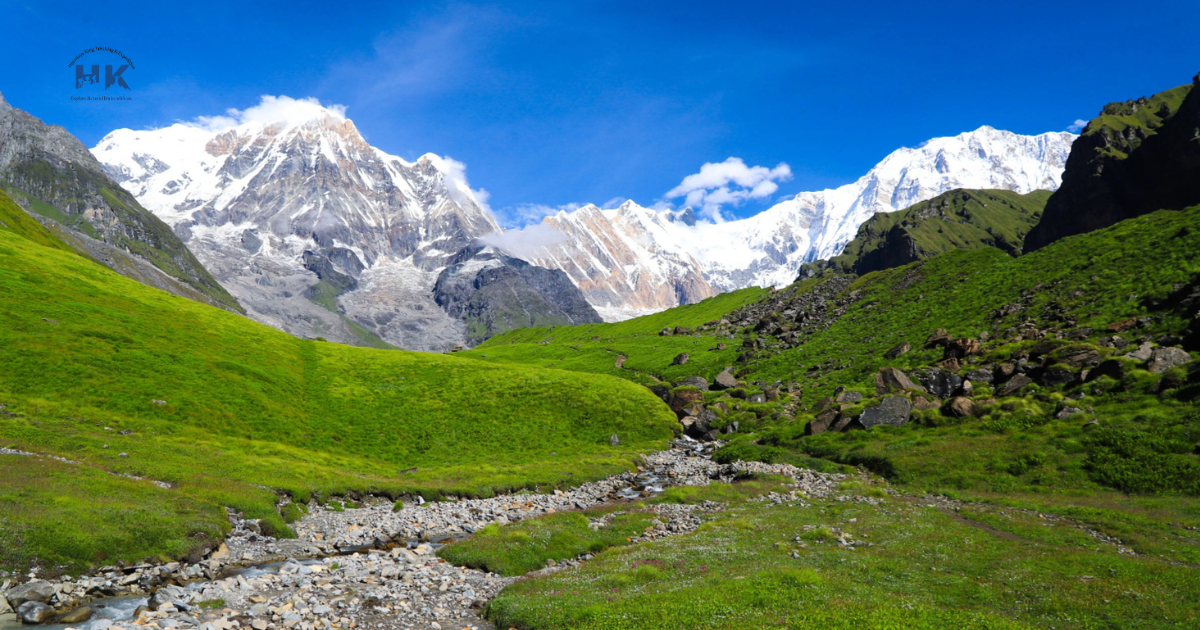
img: Scenic trail during the Spring season in ABC Trail
Monsoon: June to August
Rain is the defining feature of these three months, and for most people, this isn't the ideal window for an Annapurna Base Camp trip.
Cloud cover, rain and reduced mountain visibility are common during these months, and rain turns some sections, particularly between Jhinu and Chhomrong, muddy and slow going. Leeches show up in the wetter forest patches below about 2,500 metres.
But there's a real upside. The trail empties out, the hills turn a deep, saturated green, and waterfalls along the route are at their fullest. If quiet trails and lush scenery appeal to you more than dry socks, monsoon trekking has its own kind of charm.
If you do go in these months, bring proper rain gear and check current trail conditions before you leave. Heavy rainfall can occasionally disrupt road access to the trailhead too.
Autumn: September to November
Autumn is the other big season, and by most measures, it's the strongest window of the year. Once the monsoon clears out, the air dries up and visibility improves fast. Annapurna I, Machhapuchhre, Gangapurna, and Hiunchuli all come into much sharper focus from the Sanctuary.
September
Early September can still carry some monsoon rain, and it's best treated as a transition month, though late September is often a good stretch, with drier conditions becoming more likely as the month goes on. Daytime temperatures run around 15 to 22°C lower down and 3 to 10°C at Base Camp.
The landscape is still lush from the rains, and the trail is noticeably quieter than it will be in October. Late September is a bit of an under-the-radar choice if you want decent weather without the crowd.
October
October is typically one of the busiest months on the trail, and honestly, it earns that reputation. Once the monsoon has fully cleared, daytime temperatures settle around 10 to 20°C on the lower trail and -5 to 8°C at Base Camp, with more clear mornings than any other month.
Nepal's two biggest festivals, Dashain and Tihar, usually fall somewhere in the autumn trekking window. In 2026, Dashain runs from mid to late October (Vijaya Dashami on 21 October) and Tihar follows in early-to-mid November, so this year they land right in the heart of peak trekking season. In 2027 the dates will shift again on the lunar calendar (sources vary on exactly how much, since 2027 may include an extra lunar month), so check a current calendar closer to your trip. When your dates overlap, the festivals add some genuine local color to the villages along the way, but the trade-off is that teahouse beds and porters get booked out fast, so plan well ahead.
November
November keeps most of October's advantages while the crowds thin out as the month goes on. Daytime temperatures run about 8 to 16°C lower down, with Base Camp itself hovering near freezing and nights regularly dropping below 0°C from mid-month.
If clear skies matter to you but you'd rather skip October's crowds, the first couple of weeks of November are usually the better trade. Later in the month, you'll want genuinely warm gear as winter starts closing in at altitude.
Winter: December to February
Winter brings the coldest air of the year and a real chance of snow above roughly 3,500 metres. Nights at Base Camp regularly drop below -10°C, and daytime highs at altitude often stay below freezing too.
The upside is quiet. Teahouses that were packed in October sit nearly empty, and clear winter days can deliver some of the sharpest mountain views you'll see anywhere in Nepal.
This season asks more of you in return. You'll need a sleeping bag rated well below freezing, solid down layers, and the flexibility to adjust plans if snow closes a section above Deurali.
December
December often starts with clear, stable weather left over from November, then gets progressively colder. Snow becomes more likely at Machhapuchhre Base Camp and Annapurna Base Camp as the month wears on, and temperatures fall fast once the sun goes down.
January
January is the coldest month on this trek, with the shortest days of the year and Base Camp nights that can fall to around -15°C or lower in a cold spell. Exact lows vary from year to year, but sub-zero nights are the norm. In exchange, you get the quietest trail of the year and some genuinely striking winter views.
February
February is still cold, but you can feel the season starting to turn. Snow can linger above 3,500 metres, while lower villages like Ghandruk and Jhinu start showing early hints of spring. Late February suits trekkers who want a winter-style trip without January's harshest cold.
Which Month Fits You Best?
There isn't one right answer here. It really comes down to what you're trying to get out of the trip.
If rhododendrons and warm days matter most, go in April. If you want the clearest mountain views along with a bit of festival atmosphere, October is your month, and November is a strong runner-up with fewer people on the trail. Want early spring scenery without the crowds? March works well. Prefer a green, quiet trail and don't mind a bit of uncertainty? Late September is worth a look. And if snow, silence, and proper winter conditions sound appealing, December through February will deliver.
For most first-timers though, April, October, and November hit the best overall balance of comfortable weather, good views, and manageable trail conditions.
Best Time Based on What You Care About
|
Priority |
Best period |
Why |
|
Best overall |
April / October |
Warm and stable (April) or clear-skied (October) |
|
Best mountain views |
October-November |
Highest number of cloudless mornings |
|
Rhododendron flowers |
March-April |
Peak bloom on the Chhomrong-Bamboo stretch |
|
Fewer people |
Late September / late November |
Shoulder weeks just outside peak season |
|
Snow and quiet |
December-February |
Snow above 3,500m, coldest and emptiest trail |
|
Green scenery |
June-August |
Monsoon rain keeps everything vivid green |
|
Local festivals |
Autumn |
Dashain and Tihar usually fall in this window, dates shift yearly |
|
First-timers |
Spring or autumn |
The most predictable weather and footing |
Weather Changes Fast With Altitude
This trek starts low, around 1,000 to 1,400 metres near Nayapul and Ghandruk, and climbs all the way to 4,130 metres at Annapurna Base Camp. That means the weather at the start of your trip can look nothing like what you get near the end.
|
Trail point |
Approx. altitude |
Typical feel |
|
Nayapul / Ghandruk |
1,070-1,940m |
Warm, humid lower valleys |
|
Chhomrong |
2,170m |
Mild days, cool evenings |
|
Bamboo / Dovan |
2,310-2,600m |
Cooler and forested, damp in monsoon |
|
Himalaya / Deurali |
2,920-3,200m |
Noticeably colder, frost common Nov-Mar |
|
Machhapuchhre Base Camp |
~3,700m |
Sub-zero nights most of the year |
|
Annapurna Base Camp |
~4,130m |
The coldest point on the route, especially overnight |
This is why checking the forecast for Pokhara before you pack is a bad habit. Conditions up at Base Camp can be 15 to 20°C colder, especially once the sun goes down.
How the Weather Can Change Your Trip
Weather does more than block a view. Rain during monsoon turns parts of the trail to mud and can occasionally cut off road access to the trailhead. Snow in winter can slow you down or force crampons on the icy stretches above Deurali. Spring and autumn are more reliable overall, but mountain weather in the Sanctuary can still turn within a few hours.
This is where a good local guide earns their pay.
Himalaya King is a Sherpa-owned and Sherpa-led company, and their guides bring real, firsthand mountain experience to the table. That kind of practical knowledge helps a lot when plans need to change on short notice.
Annapurna Base Camp or the Annapurna Circuit?
If you're weighing up your options in the Annapurna region, you've probably come across the Annapurna Circuit trek as well. It's a completely different trip, and it's worth understanding the differences before you choose.
The Base Camp route pushes into the Annapurna Sanctuary and ends at 4,130 metres. The Annapurna Circuit, by contrast, loops around a much bigger stretch of the region and crosses Thorong La Pass at 5,416 metres, which raises both the Annapurna circuit difficulty and the altitude risk compared with Base Camp.
One of the first things people ask about is Annapurna circuit trek distance: most itineraries cover somewhere between 160 and 230 kilometres, depending on your start and end points and whether you add side trips like Tilicho Lake. That's a big jump from a Base Camp round trip, where the total distance varies considerably depending on the starting point, road access, and whether you add side trips such as Poon Hill, typically falling somewhere between 70 and 115 kilometres.
That difference shows up in Annapurna circuit duration too. Most people budget 15 to 20 days for the full loop, though shorter, fast-paced itineraries in the 12-day range exist for trekkers who are short on time and comfortable with longer walking days, and a fuller 14-day version is common for those who want a bit more room to acclimatize.
On cost, an Annapurna circuit trek price typically runs a bit higher than a Base Camp trip of similar length. It covers a longer route and more trekking days, which can mean additional accommodation, transportation, and guide logistics; permit requirements should also be checked under the latest regulations, since they factor into the difference too. Expect a wider price range depending on whether you're joining a group departure or hiring a private guide.
Most people start their Annapurna Circuit trek from Pokhara, driving or flying in from Kathmandu first. If you're wondering about the Annapurna Circuit trek without a guide, here's the direct answer: under Nepal's current trekking regulations, foreign trekkers on designated routes in the Annapurna region, including the Circuit, must be accompanied by a licensed guide, and enforcement has increased through the 2026 season. So an Annapurna circuit solo trek, in the sense of walking it completely alone with no guide, isn't a legal option anymore, even if you've done it before or read older articles that say otherwise. You can absolutely still trek independently as an individual client rather than joining a big group; you just need a licensed guide walking with you.
Season matters just as much on the Circuit as it does on the Base Camp route, if not more, since Thorong La can close. Annapurna Circuit in April and Annapurna Circuit in May both bring reasonably stable spring weather, similar to Base Camp. Annapurna Circuit in August sits deep in the monsoon and comes with the same rain and cloud issues you'd see on the Base Camp trail. Winter is a bigger deal on the Circuit than on Base Camp: Annapurna Circuit in January and Annapurna Circuit winter trekking in general often mean Thorong La is snowed in and effectively closed, which isn't really a concern on the lower Base Camp route.
So which one should you pick? If you're short on time, want to get close to the mountains quickly, and don't want to worry about a high pass closing on you, Base Camp is the easier call. If you have more time, want bigger variety in landscape and culture, and are prepared for a tougher trek, the Annapurna Circuit is worth the extra days. It's also a solid pick if you're specifically looking for something suited to Annapurna Circuit for beginners with a guided group, since a guide can manage the pass-crossing logistics and altitude pacing for you.
If you want to dig deeper, see the Annapurna Circuit Trek in Nepal.
What to Pack for Each Season
Your packing list should shift depending on when you go, since the temperature swing between day and night at altitude can be more than 20°C.
Spring (March-May)
• Warm mid-layers
• Down jacket for nights at MBC and Base Camp
• Trekking trousers
• Broken-in trekking shoes
• Gloves and a warm hat
• A light rain shell
• Something lighter for the warm lower valleys
Autumn (September-November)
The same layering system from spring applies here. Add a warmer pair of gloves, an insulated hat, and one extra mid-layer if you're travelling in late November, since night temperatures at altitude start closing in on winter levels.
Winter (December-February)
• A heavyweight down jacket
• Thermal base layers, top and bottom
• Insulated, waterproof gloves
• Wool or thermal socks
• A warm hat that covers your ears
• A high-quality winter sleeping bag rated for temperatures well below freezing (check whether the rating is a comfort or limit rating, since standards vary)
• A waterproof, insulated outer shell
Monsoon (June-August)
• A proper waterproof jacket
• A rain cover for your backpack
• Dry bags for electronics and documents
• Quick-drying clothing
• Trekking shoes with good grip on wet ground
• A few extra pairs of socks
Whatever season you pick, break in your trekking shoes long before you land in Nepal. Blisters get a lot harder to manage once you're walking five or more hours a day.
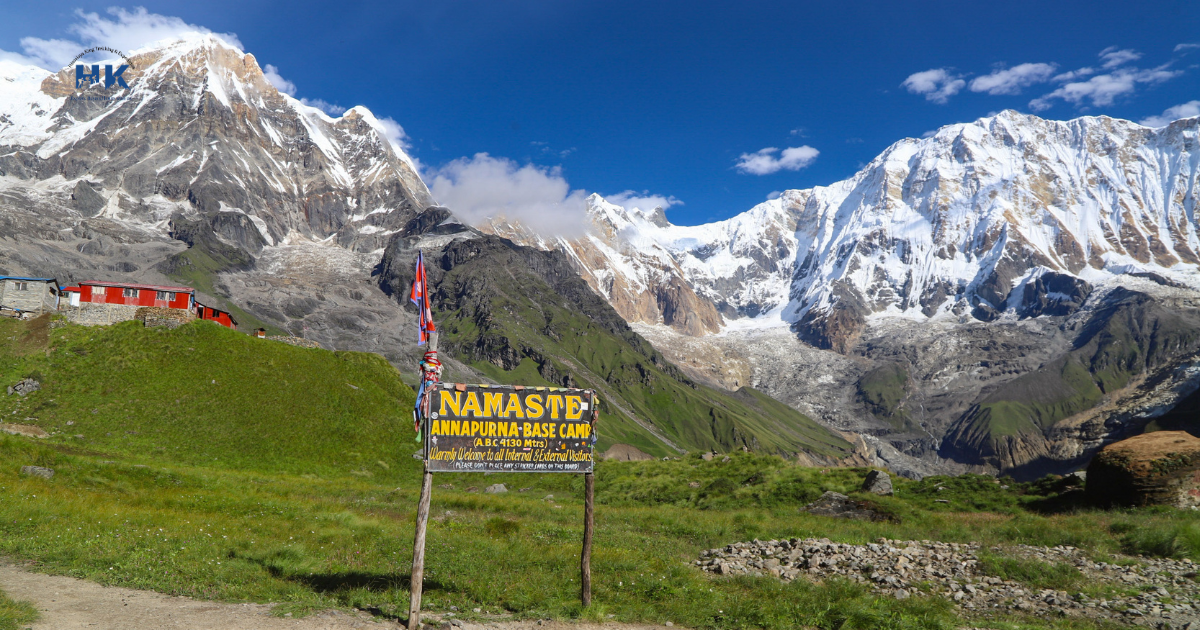
img: Annapurna Base Camp
Planning Your 2026/2027 Trip
Book early if you're going in peak season
April and October are the two busiest months here. If either is your target, get your flights, teahouses, and guide booked well ahead. Chhomrong and MBC lodges fill up first.
Know the permit and guide rules before you book
This route sits inside the Annapurna Conservation Area, and the rules here have genuinely changed in the last few years. Under Nepal's current trekking regulations, foreign trekkers on designated routes in the Annapurna Region, including Annapurna Base Camp and the Annapurna Circuit, are required to follow the applicable guide and TIMS requirements. The Nepal Tourism Board currently lists routes such as the Poon Hill-ABC trek and the Annapurna Circuit among those requiring a licensed trekking guide and agency-issued documentation, with enforcement increasing through the 2026 season. Rules and designated routes can change, so confirm the latest requirements with a registered trekking agency before you book. You'll also need the applicable Annapurna Conservation Area entry permit, typically arranged alongside your guide booking.
Rules and fees do get updated, so treat any specific number you read here, including in this article, as a starting point rather than the final word. Confirm current permit costs and guide requirements directly with your trekking operator before you finalize plans.
Get travel insurance that actually covers this
Look for a policy that explicitly covers trekking above 4,000 metres and emergency helicopter evacuation. Plenty of standard travel insurance plans quietly exclude high-altitude trekking, so check the fine print.
Build in some slack
Mountain weather doesn't care about your itinerary. Leave at least one spare day in your Nepal trip in case rain, snow, or trail conditions cause a delay near Deurali or MBC.
Check conditions right before you leave
A seasonal guide like this one tells you what's typical. It can't tell you what your exact week will actually bring, whether you're going this year or next. Check the latest weather and trail reports close to departure, and listen to your guide once you're on the ground.
Frequently Asked Questions
What's the best month to trek Annapurna Base Camp in 2026/2027?
Most people land on October or April. October gives you the clearest skies and driest trails of the year, with daytime temperatures around 10 to 20°C lower down. April is warmer and more colorful, with rhododendrons at their peak.
Can you trek to Annapurna Base Camp in winter?
Yes, though it's not for everyone. Nights at Base Camp regularly drop below -10°C, and snow above 3,500 metres is a real possibility. Bring serious cold-weather gear and stay flexible with your plans.
Do you need a guide for Annapurna Base Camp?
Yes. Under Nepal's current trekking regulations, foreign trekkers on designated Annapurna region routes, including the Base Camp trail, must be accompanied by a licensed guide, with enforcement increasing at checkpoints. Book through a registered agency, which will also arrange your guide and permits, and confirm the latest requirements before you travel since rules can change.
Is this trek okay for a first-timer?
Generally, yes, as long as you're reasonably fit and prepared. There's no technical climbing involved, but you'll be walking five to seven hours a day at altitude. Spring and autumn make things easier on a first attempt, mostly because the weather behaves itself more often.
How many days does the trek actually take?
Most people finish in 7 to 12 days on the trail, though it depends on your route and pace. Longer itineraries often tack on extra days in Kathmandu, Pokhara, or at Poon Hill, plus acclimatization time. Himalaya King's current Annapurna Base Camp trek itinerary runs 12 days from Kathmandu to Kathmandu.
Is October too crowded to enjoy?
It's typically one of the busiest months here, partly thanks to the weather and partly because Dashain and Tihar usually fall somewhere in the autumn trekking window. If crowds bother you, late September or November are worth considering instead.
How high up is Annapurna Base Camp?
It sits at roughly 4,130 metres, or about 13,550 feet, reached by way of Machhapuchhre Base Camp at around 3,700 metres.
How hard is this trek, really?
It's rated moderate. You won't need any technical mountaineering skills, but expect long walking days, steep stone staircases on some route variations, and the usual effects of altitude once you're above 3,000 metres.
Is it safe?
For a well-prepared trekker, yes, though any mountain trip carries some risk. Weather, altitude, trail conditions, and your own fitness all play a part. Pace yourself, listen to your guide, and speak up right away if you start feeling unwell.
How do you actually get there?
Most people fly or drive from Kathmandu to Pokhara first, then continue by road toward the trailhead before walking on toward Ghandruk, Chhomrong, and the Sanctuary. Depending on your itinerary and current road access, you may start from Nayapul, Ghandruk, Kimche, or another road-accessible trailhead.
Can you see Everest from up there?
No, you can't. What you do get is a close-up view of Annapurna I, Annapurna South, Machhapuchhre, Gangapurna, and Hiunchuli, which is a fair trade.
What if you can't finish the trek?
If you get sick, injured, or just can't continue, your guide will help you figure out whether to rest, descend, or adjust the plan. It's one more reason not to overbook your schedule, and to carry insurance that covers evacuation.
Why Trek With Himalaya king?
Himalaya King is a Sherpa-owned and Sherpa-led company based in Kathmandu, with more than two decades of guiding experience in Nepal's mountains. That kind of local, on-the-ground experience helps trekkers with details that a seasonal guide alone can't cover, from shifting trail conditions to pacing and acclimatization at altitude. The team focuses on safety and sensible planning rather than insisting one month is right for everyone, and can help you pick a window that actually fits your dates, fitness, and expectations for the trek this season.
Conclusion
The right time for this trek really does depend on what you want out of it.
Want spring flowers and the warmest conditions of the year? Go in April. Want the clearest possible mountain views? October and November are your best bets. Want a quieter trail? Late September or late November are worth a serious look. Comfortable with real cold in exchange for snow and solitude? Winter delivers that. Don't mind rain if it means green hills and almost nobody else around? The monsoon has its own appeal.
For most first-time trekkers, April, October, and November strike the best balance of good weather, good views, and manageable trail conditions. But there's no single perfect month for everyone.
Pick the season that matches your fitness, your schedule, and how much changing weather you're willing to put up with, then check current conditions before you fly out.
And if you're still torn between Annapurna Base Camp and the Annapurna Circuit, don't decide based on which name sounds more impressive. Look at how much time you actually have, how much altitude and difficulty you're comfortable with, and what kind of landscape and culture you're hoping to see along the way.
Ready to lock in your dates? See Himalaya King's full Annapurna Base Camp itinerary and talk to the team about which month fits your trip.
|
Planning a Trip? Get a free consultation from our travel experts with over a decade of experience. |

Himalaya King
Himalaya King
Adventure Awaits — Let’s Begin Your Journey


