Rising majestically to an elevation of 6,476 meters (21,247 feet), Mera Peak stands as the highest trekking peak in Nepal and one of the most rewarding mountaineering experiences and Himalayan adventure. For the 2026 climbing season, Mera peak is an iconic Himalayan journey continues to attract adventures seeking breathtaking scenery. Mera peak is located in the remote Hinku Valley, east of the Everest region, Mera Peak offers a perfect blend of wilderness trekking, cultural exploration, and non-technical high-altitude climbing. Mera Peak is an ideal gateway into the world of Himalayan peaks. What makes Mera Peak truly special is its dramatic yet accessible nature. Unlike crowded Everest trails, the route to Mera Peak leads through pristine forests, high mountain passes, and traditional villages rarely visited by mass tourism. The journey passes through dense rhododendron and pine forests, glacial valleys, and wide alpine landscapes, offering a sense of solitude and raw Himalayan beauty. This remote setting allows trekkers to fully immerse themselves in nature while gradually adapting to the high altitude.
The reward at the summit is nothing short of extraordinary. From the top of Mera Peak, climbers are treated to one of the widest panoramic views in Nepal, including five of the world’s highest mountains: Mount Everest, Lhotse, Makalu, Cho Oyu, and Kanchenjunga. Standing above the clouds with these giants surrounding you is a moment that defines the spirit of Himalayan adventure. Mera Peak is often described as a walk able peak, requiring no advanced technical climbing skills, yet it demands strong physical fitness, mental determination, and proper acclimatization. With experienced guides, well-planned itineraries, and the right preparation, the climb is both safe and deeply rewarding.
In this blog, we will explore everything you need to know about the Mera Peak expedition for 2026 from itineraries and best seasons to permits, preparation tips, and what makes this climb a life-changing experience for trekkers and aspiring mountaineers alike.
Peak height: This peak height is 6476 m above sea level.
Region: This peak is located in Hinku valley, east of the Everest region. Mera peak lies far from the busy Everest trails, offering a peaceful and pristine environment
Trip Duration: This trek takes a 14-18 days.
Difficulty level: Moderate to Challenging (high altitude trekking with basic mountaineering skilled require).
Best Season: autumn and spring season
Spring (March-May) is one of the best seasons for mera peak climbing.
• Stable weather and mild temperatures
• Clear mountain views
• Blooming rhododendron forests on lower trails
• Good snow conditions for summit climbing
This season is popular among climbers because of reliable summit success and comfortable trekking condition.
Autumn (September –November) season is the most popular and recommended season for mera peak.
• Crystal-clear skies and excellent visibility
• Dry trails after the monsoon
• Stable snow conditions at higher altitude
• Comfortable daytime temperatures
Autumn offers breathtaking views of Makalu Everest and other Himalayan giants.
• Nepal’s highest trekking peak at 6476 meters.
• Remote and less-crowded trail through the hinku valley
• Stunning views of five 8,000-meter peaks
• Glacier walk and snow climbing experience
• Ideal introduction to high altitude mountaineering
• Rich Sherpa culture and untouched landscapes
• The Adventure Begins: Journey to the Trailhead
DAY-1 ARRIVAL in Kathmandu (1,350 M / 4,429 ft)
DAY-2 Rest day in kathmandu ( shopping and sightseeing)
DAY-3 Fly to Lukla and trek to paiya (2730m/8,956ft)
DAY-4 Trek to panggom ( 2850m/ 9350 ft )
DAY-5 Trek to Ramailo Danda (3,276 m / 10,748ft)
DAY-6 Trek to chatrakhola (3,600m/11,811ft)
DAY-7 Trek to Kothe (3,600m/11,811ft)
DAY-8 Trek to Thangnak (4,356 m/14,291ft)
DAY-9 Trek to Khare ( 5,045m/16,551ft)
DAY-10 Acclimatization and preparation day in Khare
DAY-11 Trek to Mera Base camp ( 5,300m/17388ft)
DAY-12 Trek to Mera high camp ( 5780m/18963ft)
DAY-13 Summit Mera Peak (6,476m/21,246ft) and descend to Khare
DAY-14 Trek to Kothe (3600m/11,811ft)
DAY-15 Trek to Thullikharka (4,200m/13,779ft)
DAY-16 Trek to Lukla (2800m/9,186 ft) via Zatrwa la pass (4670m/15,321ft)
DAY-17 Fly to Manthali/Kathmandu
DAY-18 Free Day in Kathmandu ( shopping and sightseeing)
DAY-19 Departure from Nepal
1. Mera Peak Climbing Permit ( NMA permit )
2. Makalu Barun National Park Entry Permit
Issued by: Department of national parks and wildlife conservation
3. Khumbu pasang Lhamu Rural Municipality permit
Issued by : Local Government (Khumbu Pasang Lhamu Rural Municipality)
As the journey progresses, the landscape changes dramatically. Crossing high passes and descending into the Hinku Valley, trekkers enter a world of wide valleys, alpine meadows, and towering peaks. Villages become fewer, and nature takes over completely. The trek passes through Kothe and Thangnak, small settlements surrounded by glaciers and dramatic mountain walls. These are key acclimatization stops before moving higher toward Mera Base Camp.
The trail from Mera Base Camp leads onto the Mera Glacier, marking the start of the true climbing section. Walking on snow and ice, climbers slowly make their way to Mera High Camp, perched dramatically above the glacier. High Camp offers breathtaking sunset views over Makalu and Everest, creating a sense of anticipation for the summit day ahead.
Summit Day: Reaching the Top of Mera Peak
Summit day begins early, often before midnight. Equipped with headlamps and climbing gear, climbers ascend steadily across snow slopes and gentle ridges. The climb is physically demanding due to altitude, but technically straightforward. As the sun rises, the Himalayan giants appear one by one. Standing on the summit of Mera Peak is a moment of pure achievement and surrounded by endless snow peaks and a feeling of standing on top of the world.
After celebrating the summit, climbers carefully descend back to High Camp and continue toward lower elevations over the next few days. The return journey offers a chance to reflect on the achievement while enjoying the beauty of the valleys from a new perspective. The trek concludes back in Lukla, followed by a flight to Kathmandu, marking the end of an unforgettable Himalayan adventure.
During the trek, accommodation is mainly in Local teahouses, offering basic but comfortable lodging. At higher camps, tented camping is used. Meals include a mix of local Nepali dishes and international options, providing the energy needed for high- altitude trekking.
For beginners dreaming of standing on a Himalaya summit, mera peak is often the ideal choice. The routes doesn’t require advanced technical climbing skills, and the slopes are generally gradual. With basic training in the use of crampons, ice axes, and ropes, beginners can confidently attempt the climb under the guidance of experienced Sherpa climbers. The long approach trek through the remote Hinku Valley allows gradual acclimatization, which is ideal for first-time climbers. This slow ascent helps the body adapt naturally to altitude while building physical endurance and mental confidence. With well-planned itineraries, safety-focused guidance, and supportive team environments, Mera Peak provides beginners with a safe, achievable, and highly rewarding introduction to Himalayan mountaineering. If you are planning to climb next expedition, Mera peak climbing 2026 offers the perfect opportunity for beginners.
For experienced climbers, Mera Peak offers a serious high-altitude challenge combined with a peaceful and less-crowded route. Although the climb is not technically demanding, the altitude of 6,476 meters tests stamina, acclimatization strategies, and mental strength. This makes Mera Peak an excellent choice for climbers preparing for more technical or higher expeditions like Amadablam, and others.
Experienced mountaineers also appreciate the remote nature of the Hinku Valley and the breathtaking summit panorama. From the top, climbers enjoy unmatched views of five 8,000-meter peaks, making the climb deeply satisfying. Mera Peak serves as an ideal training and conditioning climb while still delivering a complete and authentic Himalayan adventure.
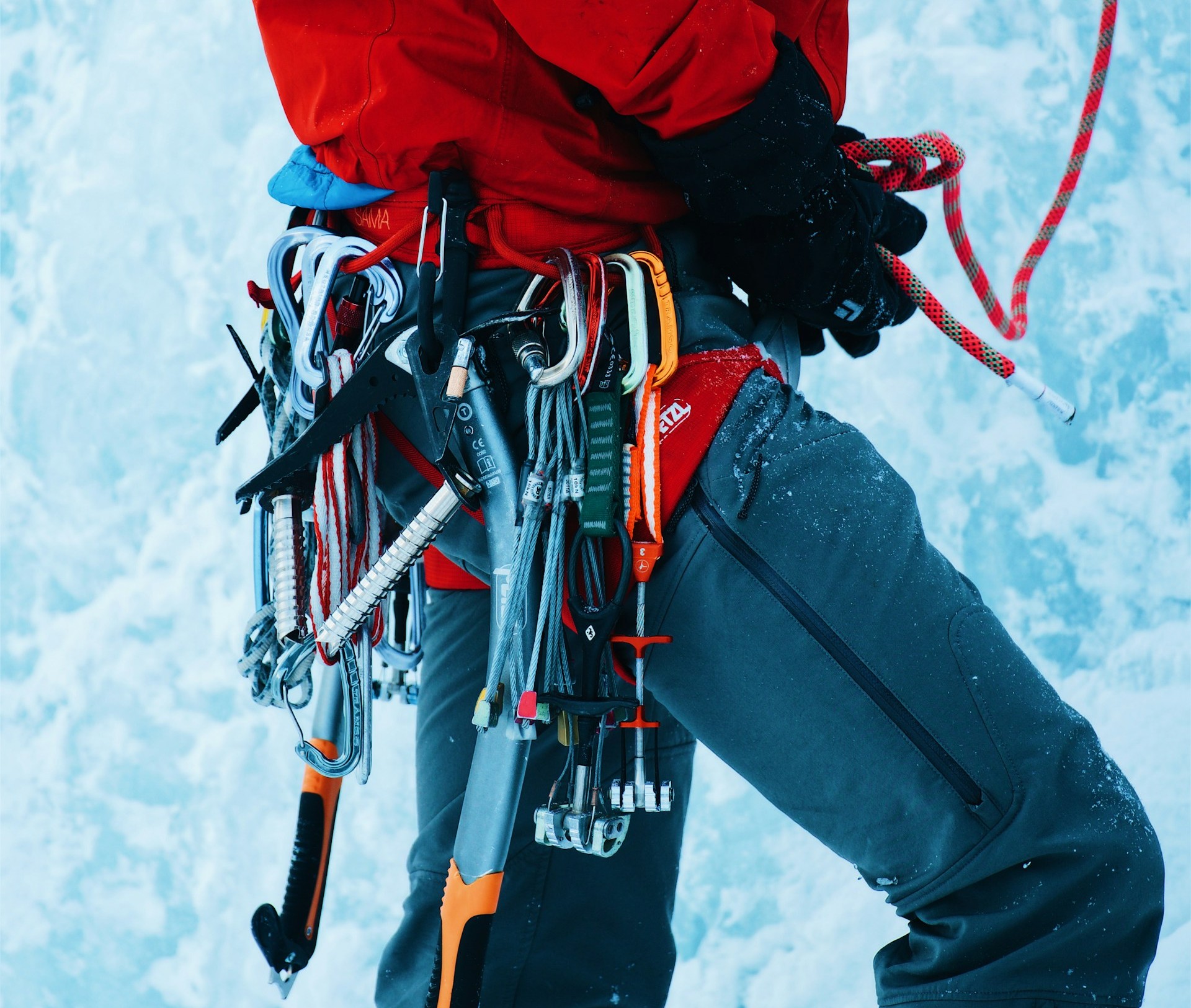
Proper acclimatization is crucial for Mera Peak climbing. Rest days are carefully planned to allow the body to adapt to altitude. During these days, climbers practice basic climbing skills such as using crampons, ice axes, harnesses, and ropes under the guidance of experienced climbing guides. This gradual acclimatization makes Mera peak climbing 2026 an ideal choice for trekkers looking to step into world of mountaineering without requiring the advanced technical skill. This preparation builds confidence and ensures safety for the summit push.
Climbing a Himalayan peak demands endurance, strength and stamina rather than extreme athletic ability. Focus on consistent training at least 8-12 weeks before your expedition.
Key areas to train:
• Cardiovascular endurance: Hiking, stair climbing, jogging, cycling, or swimming help build lung capacity and heart strength needed for long climbing days.
• Leg and core strength: Squats, lunges, step-ups, planks, and light weight training prepare your body for steep ascents, descents, and carrying a backpack.
• Hiking practice: If possible, do regular hikes with a loaded backpack to simulate trail conditions and improve balance and stamina.
• Flexibility and recovery: Stretching and yoga help prevent injuries and improve movement efficiency during long trekking days.
• Altitude awareness: You can’t fully train for altitude at home, but good fitness helps your body adapt better during acclimatization days.
Mental strength plays a huge role in high-altitude climbing, where weather, fatigue and slow progress can be challenging.
How to prepare mentally:
• Build patience: Peak climbing involves slow walking, early starts, and waiting for weather windows. Accepting this helps reduce frustration.
• Stay positive and adaptable: Conditions may change, plans may adjust, and progress may feel slow. A flexible mindset keeps morale high.
• Trust the process and the team: Follow your guide’s instructions, respect acclimatization schedules, and believe in gradual progress.
• Manage fear and discomfort: Cold temperatures, basic facilities, and physical tiredness are part of the journey. Mental readiness helps you push through safely.
• Set realistic expectation:Reaching the summit is a goal, but enjoying the journey and staying healthy is the real success.
Mera Peak has gained momentum as the climbing trends in 2025 and 2026 favor trekking peaks that combine accessibility with breathtaking Himalayan vistas. Mera peak is perfect for adventures looking to:
• Experience high altitude mountaineering
• Avoid crowded trekking routes
• Enjoy unmatched Himalayan panoramas
• Build confidence for higher and technical climbs
Himalayan king Trekking and Expedition is a trusted Nepal- based company dedicated to delivering safe, professional and unforgettable Himalayan adventures. With deep local knowledge and a passion for the mountains, we turn your dream of climbing Mera peak into a well-guided and rewarding experience. Choosing the right company is key to a safe, successful, and memorable Mera peak Climbing experience. Choosing the right company is important as choosing the right peak for own safety and comfort. Here’s why climber trust us for their Himalayan Adventure.
1. Experienced and Certified Guides: Our climbs are led by licensed, highly experienced Sherpa guides with proven high-altitude climbing expertise. They are trained in mountain safety, first-aid and rescue procedures, ensuring your journey is safe and well managed.
2. Safety comes first
We follow strict safety standards, including:
• Proper acclimatization schedules
• High-quality climbing and safety equipment
• Regular health monitoring during the climb
• Emergency evacuation support when required
• Your safety is our top priority at every stage.
3. Well-planned Itinerary: Our Mera peak itinerary is carefully designed to balance adventure and acclimatization. We avoid rushed schedules to maximize summit success and ensure a comfortable climbing experience.
4. Quality Equipment and Logistics: We provide reliable climbing gear, well-organized logistics, comfortable tea house accommodation, and nutritious meals to keep you energized throughout the journey.
5. High summit success Rate: we maintain a strong summit success rate while prioritizing safety over speed which is important part of climbing peak
6. Responsible and sustainable tourism: We practice eco-friendly and responsible tourism, respecting local culture, supporting local communities, and minimizing environmental impact in Himalayas.
7. Personalized Service: From trip planning to post-climb support, we offer personalized attention to meet your needs, whether you’re a beginner or an experienced climber.
8. Local Expertise: As a Nepal-based company, we have deep knowledge of the mountains, weather patterns, and local conditions and giving you an authentic and well supported Himalayan Adventure with Himalayan experience.
Climbing Mera Peak in 2026 stands out as one of the most achievable and rewarding Himalayan adventures for both first-time climbers and experienced trekkers. Mera Peak Climbing is more than just reaching a summit. It’s a complete Himalayan adventure filled with solitude, challenge, and natural beauty. From remote trails and cultural encounters to glacier walks and breathtaking summit views, this journey delivers a true sense of exploration. Whether you are an aspiring mountaineer or a passionate trekker, Mera Peak offers an unforgettable path to the heart of the Himalayas. We don’t just guide you to the summit. We guide you through a complete Himalayan adventure you’ll remember for a lifetime. In summary, Mera Peak climbing in 2026 is more than just a trek; it’s a milestone adventure. With the right preparation, experienced guides, and a well-planned itinerary, reaching the summit of Mera Peak can be a safe, inspiring, and life-changing achievement.
|
Planning a Trip?
Get a free consultation from our travel experts with over a decade of experience.
Whatsapp US
|