
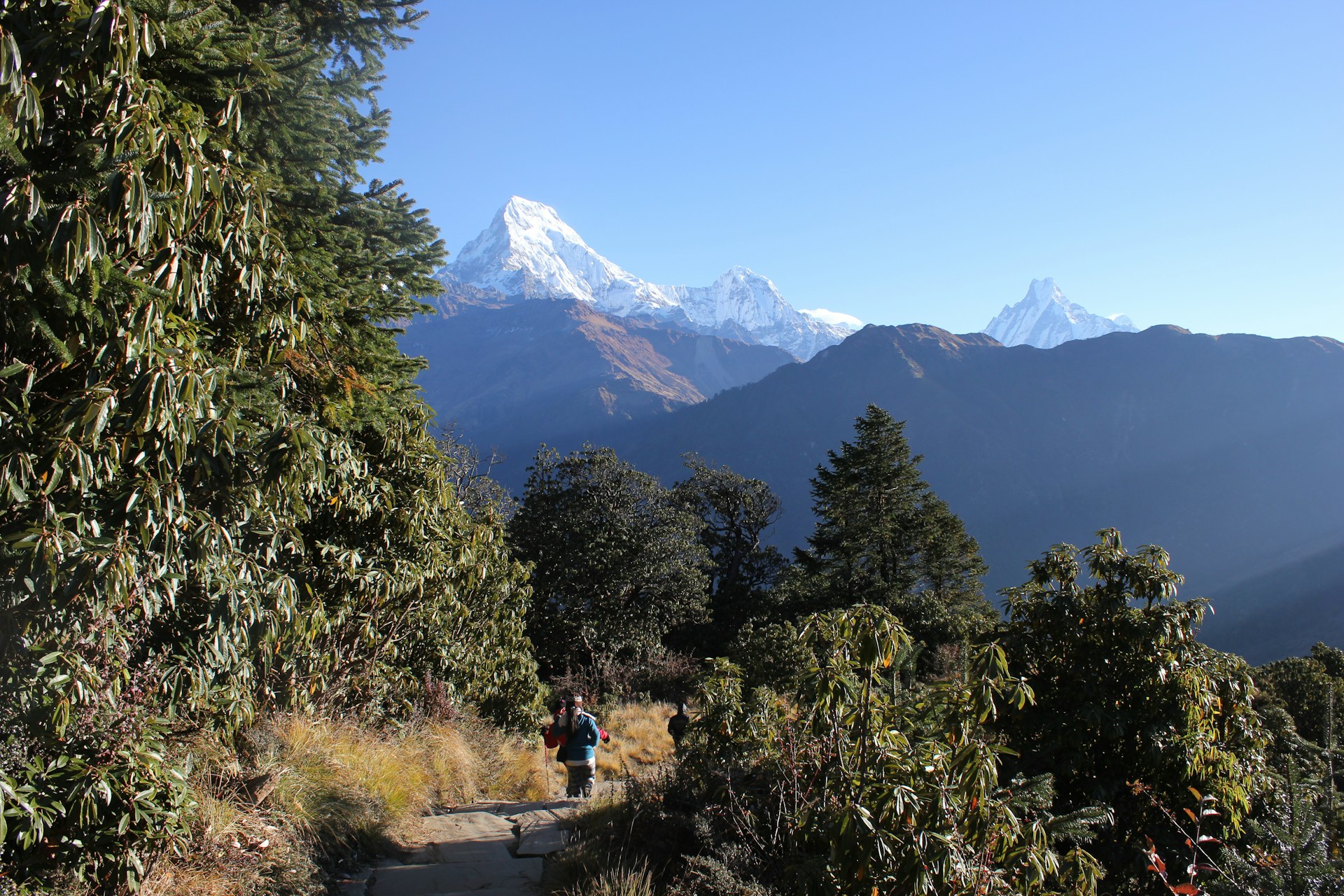
Choosing the Best season is the best decision for your adventure. If you are looking for the best season to do trekking and climbing in 2026/2027, then you need to know which season is good for your trekking or climbing. Choosing the best and safest season boosts your confidence during a trek or a climb. Looking at the best season to do a trek before you start is the smart way to make your trip successful. For 2026, the Spring and Autumn seasons are the best seasons for trekking and climbing the peak. During the spring and autumn seasons, adventure lovers travel; during the winter and summer seasons, people don’t travel.
Autumn Season (September- November)
The autumn season is the most iconic season for trekking and climbing in 2026. Most of the people choose this season due to its stable weather, breathtaking views of the mountains, and green forests, which they love. In autumn, the fresh air from the summer season welcomes you to the Himalaya. Nepal's main festivals, Dashain and Tihar, fall during the autumn season, when tourists can enjoy the festivals and experience the different cultures while trekking. During the autumn, trekking through villages with blooming marigolds in every place along the trail makes more beautiful memories. Autumn is the perfect season to climb the peaks, but not Everest. Mother Nature remains calm and supportive after the disastrous and vulnerable monsoon. So, clear views of the snow-capped mountains, green hills, and lush valleys are the rewards for climbers. Including other peak climbs, autumn is the best time for climbing Mount Manaslu.
Spring season ( March to May)
The spring season falls from March to May. The spring season is the second-best season for trekking and peak climbing in 2026. The spring season welcomes you with winter snow-capped mountains in the Himalayas. Spring brings blooms, with the blooming Rhododendron flowers everywhere. The rhododendron flower, which is known as the national flower of Nepal. During the spring season, the weather remains calm and clear. During this season, we can enjoy the breathtaking views of the snow-capped highest peak. The spring season is the perfect season to climb, and the Everest Expedition falls during the spring season every year. If you are planning to do the Everest expedition, then preparing for it from now is the best way to climb Everest in 2027. For the 2026/2027 expedition, it will begin this March. If you are doing trekking and climbing before it, then you have a great opportunity to do it in the right season. In the spring, there is less chance of rain and clouds in comparison to the monsoon. The warm temperature guarantees fewer snow deposits on the trekking trails.
Weather conditions for trekking and climbing
During the spring and autumn seasons, the weather in the Himalayas remains calm and stable. For trekking and climbing, weather plays an important role. Our safety depends on the weather; sometimes, in the Himalayas during the climb, the weather can suddenly change, and we cannot see the route clearly, which can bring disaster and accidents. Clear weather offers rewarding views with a high possibility of our success and safety. During Winter and summer, the weather is unstable, and it creates problems at high altitudes, such as sudden heavy rain, heavy snowfall, and other natural hazards. For the best trekking and climbing with stable weather, spring and autumn are the perfect seasons. Rapid weather changes are common in high-altitude regions because clear mornings can quickly turn into storms or heavy snowfall. Always check forecasts and be prepared to adjust plans.
Trekking and climbing season in Nepal
Spring is the popular season for climbing the highest peaks. The autumn season is the second most popular season for climbing peaks in Nepal. During spring, it offers the best mountain vistas and clear skies. There are fewer chances of rain and clouds compared to the monsoon season. Moreover, the entire forest below the climbing is colorful with blooming flowers during the spring and autumn seasons. The temperature is warm in the lower part of the Himalaya and mild at high altitudes. During the season, the routes are busier, but it offers the perfect blend of nature. Most of the trekkers dreams to go trekking in autumn. In autumn, the air feels fresh and clean after all the dust is removed by the summer rain in the hills. The villages are bustling with activity, and the trails come alive with other travelers from all over the world. Autumn is like a surprise for trekkers and climbers.
Trail accessibility and safety during the Trekking and Climbing
The trekking and climbing season in Nepal in 2026/2027 is perfect. Trekking and climbing adventures offer us breathtaking landscapes and unforgettable experiences in the Himalaya, but understanding the trail accessibility and maintaining safety are essential for a successful journey. Accessibility of trails varies widely depending on the Adventure Region, altitude, and level of development along the route. In popular trekking destinations like Everest Base Camp and Annapurna Circuit, trails are generally well-marked and supported by teahouses, lodges, and basic infrastructure. These routes are suitable for trekkers with moderate experience. However, in remote climbing regions such as Makalu Base Camp, accessibility becomes more challenging. Trails may be less defined, with fewer facilities and limited communication networks. The season also plays a major role. During the monsoon and winter, trails become more slippery, blocked by landslides, or covered in snow, which is dangerous for trekking or climbing. During trekking and climbing, safety is always the priority for everyone because mountain environments are unpredictable, and even experienced adventurers must stay cautious. Follow marked trails to avoid accidents and environmental damage. Avoid trekking alone in an isolated region.
Why is the spring season considered a good season to climb?
The spring season is considered a good season for Trekking and Climbing. In 2026/2027, Spring is almost starting now, and this season, typically from March to May, offers a balance of stable weather, moderate temperatures, and clear mountain views. During spring, the days are warmer compared to the winter season. Making it more comfortable for trekkers and climbers to move at higher altitudes. The skies are generally clear in the mornings, providing stunning views of peaks like Mount Everest and the surrounding Himalayan ranges. During the spring, you can explore natural beauty along the trails. The forest comes alive with blooming color, with rhododendrons adding energy to the trekking experience, and the most interesting thing is that wildlife is also more noticeable during this time. Spring is the perfect season to climb Mount Everest. Spring is the only season to climb the world's highest peak. Spring offers a more stable weather window compared to other seasons. This is why many major expeditions are scheduled during this period. Wind speeds are usually lower in winter and summer. There is a low risk of heavy snowfall and avalanches. This has attracted more trekkers and climbers to choose the spring season in 2026/2027 for trekking and climbing.
Why is autumn the Peak season for Trekking?
Autumn is the busiest season because it falls from September to November; it is expected to remain the busiest season for trekking and climbing peaks. The autumn season is an ideal time for its weather conditions and increasing global travel demand. After the monsoon season, the air becomes fresh and clean, offering crystal-clear mountain views from afar. Trails are well defined, and the risk of rain decreases significantly. This makes popular routes like Annapurna Region treks and Everest Region treks highly attractive to trekkers. In 2026, tourism is projected to grow further as more travelers seek outdoor adventures and climbing experiences. Additionally, Autumn offers the opportunity to experience a major festival of Nepal along the trails. This combination of favorable weather, scenic beauty, and cultural richness makes autumn the peak season.
Winter season challenges and the possibility of trekking and climbing
The winter season presents unique challenges to trekkers and climbers, but they are still possible with proper preparation. Temperatures drop significantly, especially at higher elevations, often falling below freezing. Snow-covered trails can make navigation more difficult and physically demanding. High-altitude passes may be blocked, limiting access to certain routes. Winter also offers peaceful trails with fewer crowds. Clear skies and crisp air provide excellent mountain visibility. Proper gear, including insulated clothing, sleeping bags, and crampons, is essential for safety and comfort during winter expeditions. We don't recommend doing trekking and climbing in winter due to the unstable weather and high risk of avalanches and snowfall.
Challenges during trekking in the off-season
Trekking in the off-season, including monsoon and deep winter, requires extra caution and planning. As elevation increases, the risk of altitude sickness becomes significant. Gradual ascent, proper acclimatization, and hydration are essential to prevent conditions like Acute Mountain Sickness (AMS). Unpredictable weather conditions can disrupt travel plans and increase the risk of Acute Mountain Sickness. Trails may become slippery, muddy, or blocked by landslides or heavy snowfall. During the off-season, there is limited accommodation and fewer trekkers on the route, which can also make the journey more challenging. Despite these challenges, off-season trekking can offer solitude and a unique perspective of the mountains for well-prepared adventurers.
Is the monsoon safe for trekking and climbing
The monsoon season, which falls from June to August, is generally considered the least favorable time for trekking and peak climbing in Nepal. Heavy rainfall can make the trails slippery and dangerous, increasing the risk of floods. Visibility is often poor due to clouds and fog, limiting views. In some destinations where trekkers have to go through transportation, the monsoon will disrupt the schedule because of slippery off-roads and unstable weather, resulting in flight delays. For the most popular trekking routes, we advise avoiding the monsoon season for safety and better views.
Choosing the best season for trekking and climbing depends on your goal and experience level. Although possible throughout the year, the best trekking and climbing in Nepal is either in the spring (March-May) or the autumn (September-october-November). It offers a perfect mix of stable weather with warm temperatures and the vibrant natural beauty of Nepal. The spring season is the ideal season for those who aim to climb Mount Everest Expeditions in 2026 or 2027 and summit successfully. The autumn season, on the other hand, and it is expected to be the most popular and busiest season. With crystal clear skies, fresh post-monsoon air, and excellent weather. Winter and summer are not recommended for trekking and climbing in 2026 because of their extreme challenges, such as extreme cold, heavy snow, heavy rain, risk of avalanches, and difficult trail conditions. For trekkers and climbers in 2026/2027, autumn is the best season for trekking, while spring remains the top choice for climbing expeditions and trekking. Selecting the best season means you are going to be rewarded with an unforgettable Himalayan adventure and enjoy nature with a safe descent.
|
Planning a Trip? Get a free consultation from our travel experts with over a decade of experience. |

Himalaya King
Himalaya King
Adventure Awaits — Let’s Begin Your Journey


