
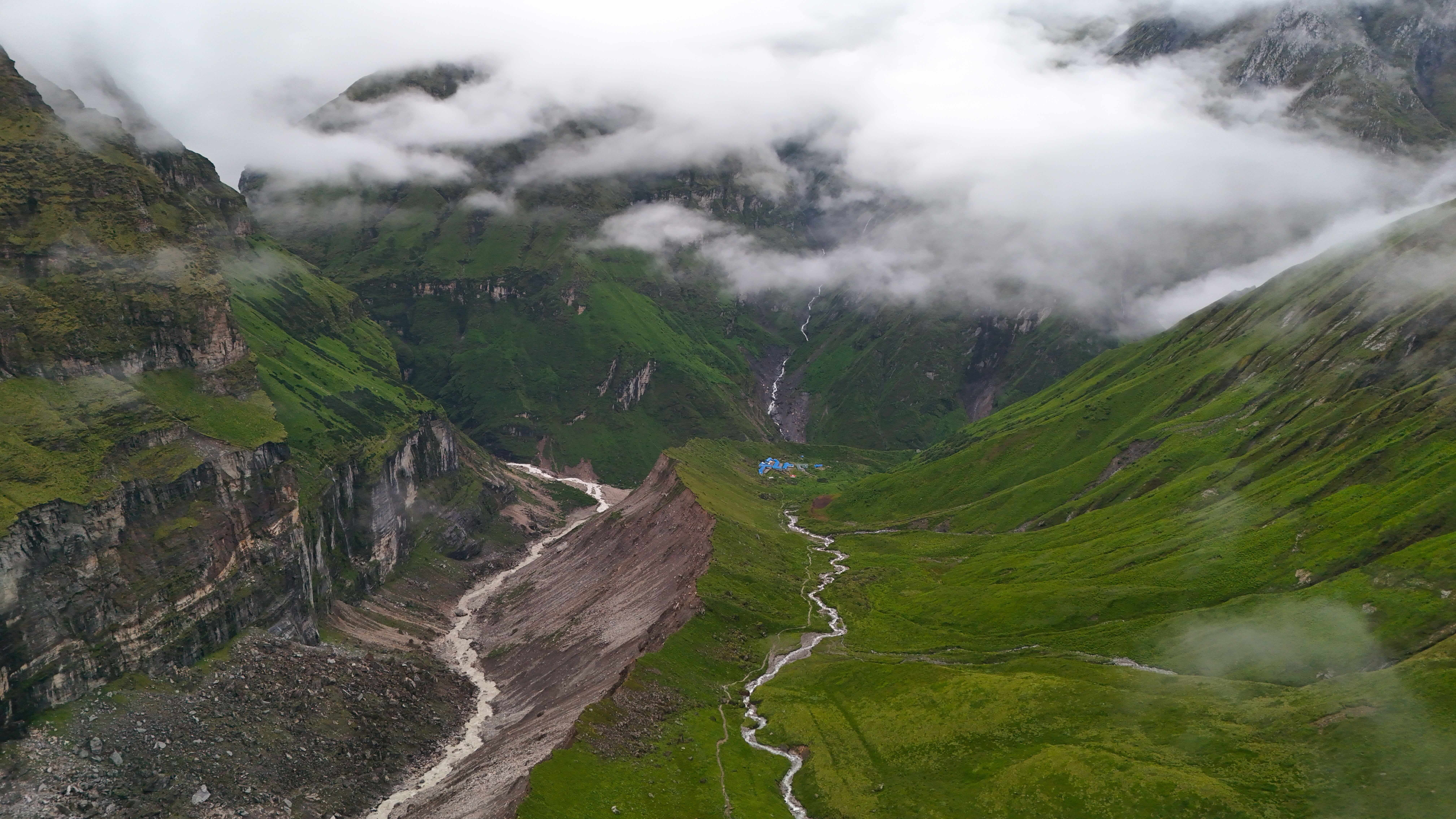
Trekking in Nepal has always been one of the most attractive features for adventure in Nepal. As one of the most popular outdoor activities among travelers and trekkers from all around the world, trekking has always been the best way to explore nature and experience cultural immersion. Nepal offers a wide range of trekking trails across the Himalayas, making it a trekking hub, such as the Everest Base Camp Trek, Annapurna Base Camp Trek, Manaslu Circuit Trek, Annapurna Circuit Trek, etc., allowing travel enthusiasts to experience raw nature far from modern chaos.
Among them, the Everest Base Camp Trek and Annapurna Base Camp Trek are always the shining stars of the Himalayas. Due to their rich nature, scenery, culture, tradition, and accessible routes, makes them popular not only in the Himalayas but even as the best in the world. As both trekking trails lie inside the diverse regions of the Everest Region and Annapurna Region, these routes coincide with diverse wilderness and tranquility, which a traveler always seeks to experience in their journey.
So, here we are about to explore the trekking trails of Annapurna and Everest. Having different aspects, features, as well as advantages from both trails, we will discuss which can be the best fit for you.
Everest Base Camp Trek Overview
Also known as EBC in short, it is a very popular destination in the Himalayas. Being inside the diverse region of the Everest Region as well as home to the highest peak in the world, it offers a wide range of adventure activities. Keeping Everest Expedition as the anchoring greatest achievement in the mountaineering world, it also offers diverse trekking trails across the region.
Everest Base Camp Trek is one of the most popular high-altitude trekking trails drawn over the traditional routes and across the scenic landscapes. It covers the Himalayan diversity along with the trekking trail on scenic landscapes and the Sherpa cultures, making it a bucket-list destination for travel enthusiasts and trekkers.
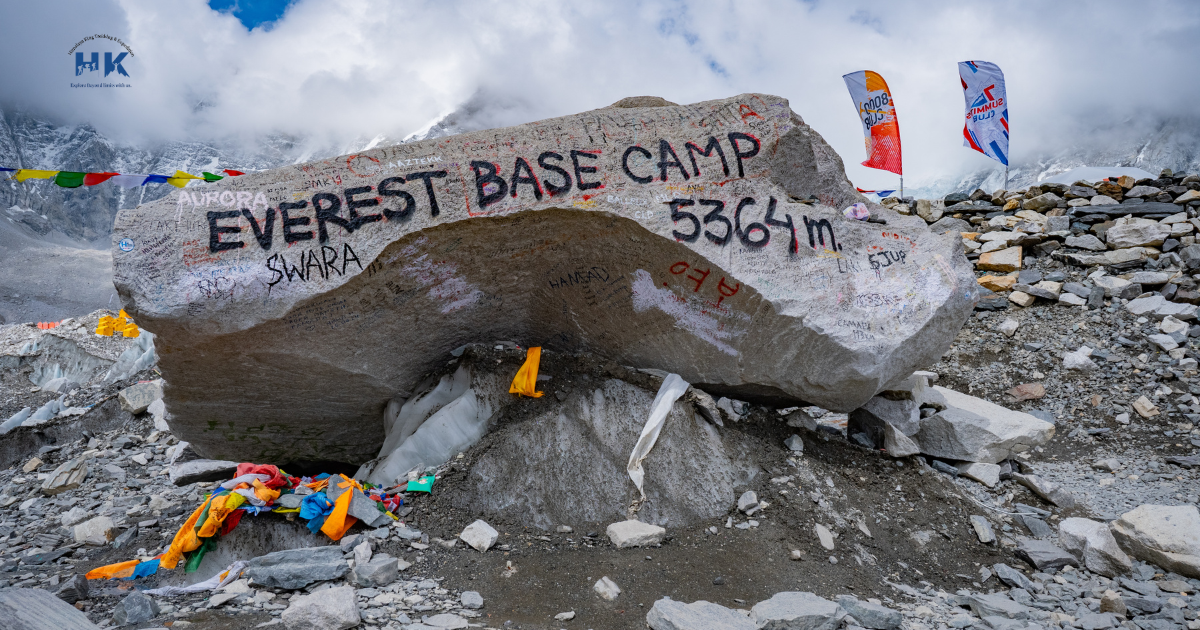
img: Everest Base Camp (5,364m)
Annapurna Base Camp Trek Overview
With spectacular nature and diverse landscapes, the ABC Trek offers a majestic trekking trail. The journey consists of scenic routes, stunning scenery, and beautiful traditional villages. Annapurna Trail is considered more diverse due to its transformative landscapes. Due to its lower elevation, the trail keeps the journey in a light phase while providing the ultimate Himalayan experience. The tranquil, scenic, rich biodiversity along with the cultural immersion of Gurung and Magar makes it a once-in-a-lifetime Himalayan experience.
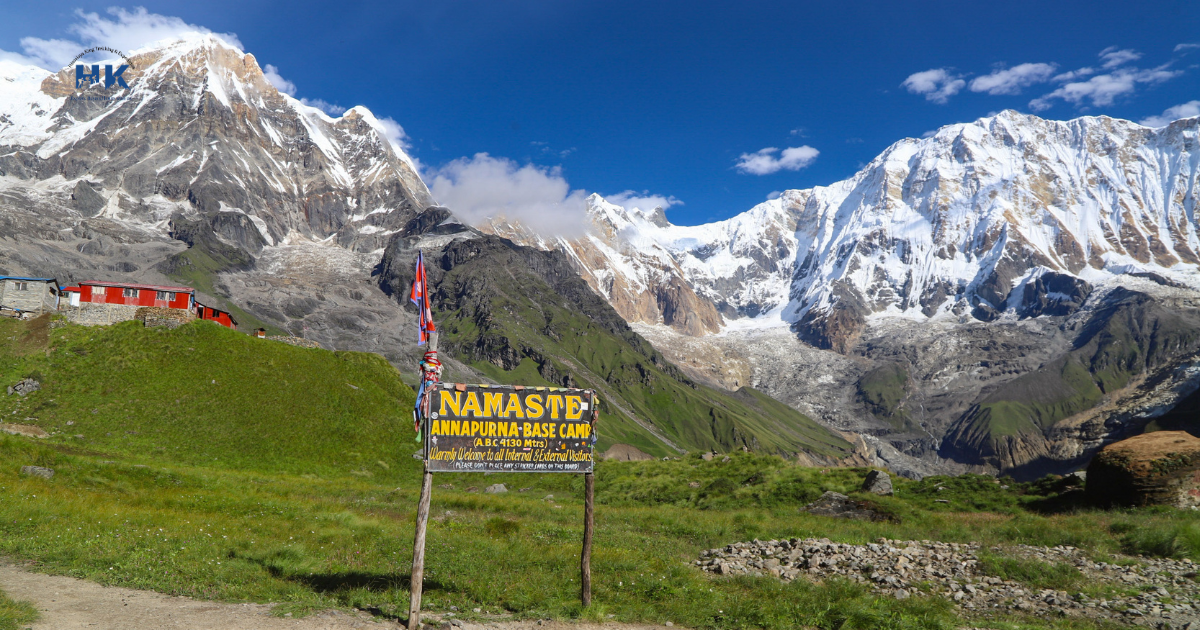
img; Annapurna Base Camp (4,130m)
Everest Base Camp vs. Annapurna Base Camp at a Glance
|
Comparison Metric
|
Everest Base Camp (EBC) Trek
|
Annapurna Base Camp (ABC) Trek
|
|
Maximum Elevation
|
5,364m (Base Camp) 5,545m (Kala Patthar) |
4130m (Base Camp) |
|
Average Duration
|
12 to 14 days | 7 to 10 days |
|
Ideal Seasons
|
Spring (Mar–May) & Autumn (Sept–Nov) | Spring (Mar–May) & Autumn (Sept–Nov) |
|
Required Permits
|
Khumbu Permit + Sagarmatha National Park | ACAP Permit + TIMS Card |
|
Trailhead Start
|
Lukla (2,860m) via flight/drive | Nayapul / Jhinu Danda via Pokhara |
|
Average Package Cost
|
$1,200 – $2,000+ USD
|
$600 – $1,200 USD
|
Budget Breakdown: Is ABC Trek Cheaper Than EBC?
While comparing the budget requirement and breakdown, yes, the Annapurna Base Camp Trek is significantly cheaper than the Everest Base Camp Trek. While both offer best-tier trekking journeys with mountain views, the structural differences in logistics, transport, as well as remote supply chain make EBC among the most expensive standard teahouse treks in Nepal, whereas ABC remains remarkably less costly and accessible than EBC.
Transportation Costs
One of the main factors that affects the cost of these treks is transportation. Reaching the Khumbu Region almost requires a full round-trip along with a domestic flight from Kathmandu to Ramechhap to Lukla’s Tezing-Hillary Airport, while it costs about 430 USD to 510 USD on return. Whereas overland driving via salleri, it adds 2 to 43 days of extra travel time and requires private jeeps or shared vehicles, which can cost nearly as much as the flight expenses.
On the other side, getting into the Annapurna Region, it does not require any such fancy transport. It's very simple with the tourist bus from Kathmandu to Pokhara, which typically costs around just 15 USD to 25 USD, and even the domestic flight is cheaper, which just costs around 120 USD. Also, local buses, shared jeeps, and trailheads like Nayapul or Jhinu Danda can cost roughly 10 USD to 30 USD.
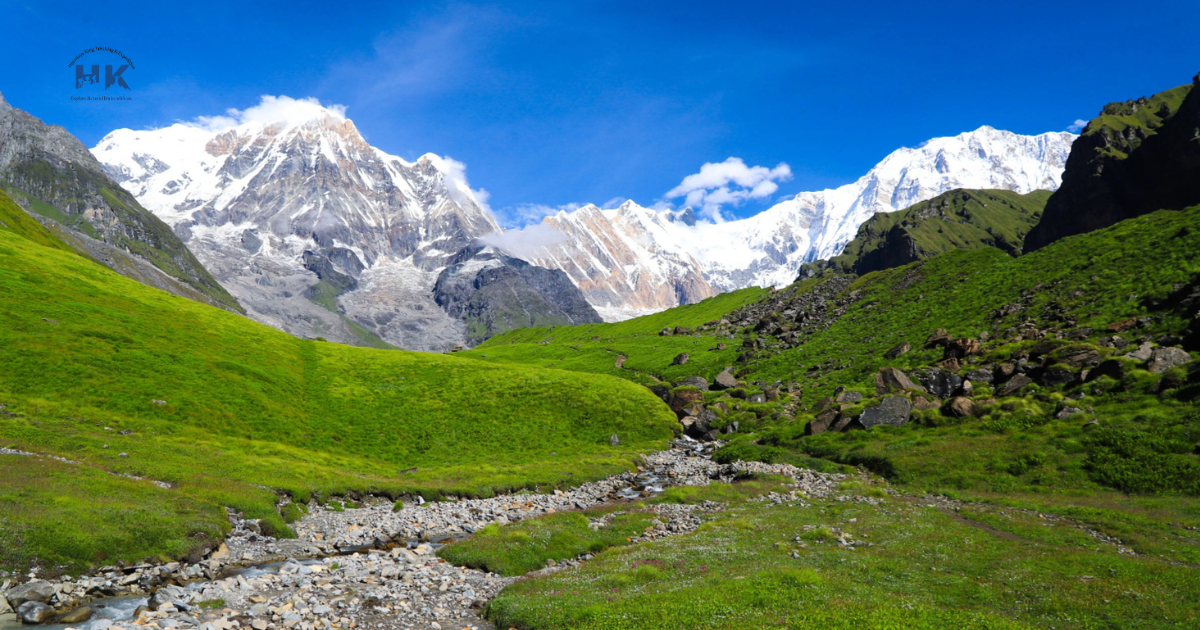
img: Scenic trail in Annapurna Base Camp trail
Permits and Regional Charges
Permits for both the Everest Base Camp Trek and Annapurna Base Camp Trek are issued by the Tourism Board of Nepal. It Costs,
For EBC
Sagarmatha National Park Entry Permit - NPR 3000/23 USD
Khumbu Pasang Lhamu Rural Municipality Permit - NPR 3000/23 USD)
In total, it costs around 45 USD to 50 USD for EBC Trek permits
For ABC
Annapurna Conservation Area Permit - NPR 3000/23 USD
Trekkers Information Management System - NPR 2000/15
In total, it costs around 35 USD to 40 USD for ABC Trek permits
So, trekking permits to get access inside do not differ much. Both of them cost nearly the same amount.
Daily On-Trail Expenses
The daily expenses in both trails are nearly equal too; as the altitude rises, the infrastructure like roads starts to disappear, which spikes the cost of basic amenities due to transport reliance on human porters, mules, and helicopters.
Foods and Meals
In EBC, meals cost around 10 USD to 15 USD above Namche Bazer, whereas in the ABC Trail it costs around 5 USD to USD, which relies on locally produced foods in lower-altitude agrarian valleys.
Teahouse Amenities
Charging phone/camera, etc in ABC Trail typically ranges from 2 USD to 3 USD, and hot bucket showers can range from 2 USD to 4 USD.
In the Everest Region, where electricity and hot water rely heavily on solar arrays or hauled gas cylinders, which are often above 4000m altitude, the cost ranges from 5 USD to 10 USD.
Total Cost Verdict
|
Expenditure Category
|
Everest Base Camp (EBC)
|
Annapurna Base Camp (ABC)
|
|
Round-Trip Transport
|
$430 – $510 USD (Flights) | $50 – $150 USD (Bus / Jeep) |
|
Permits Total
|
$45 – $50 USD | $35 – $40 USD |
|
Daily Living Expenses
|
$40 – $60 / day | $25 – $40 / day |
|
Average Full Package
|
$1,200 – $2,000+ USD
|
$600 – $1,200 USD
|
Physical Challenge and Altitude: EBC vs ABC
Evaluating the Everest Base Camp vs Annapurna Base Camp difficulty requires more than analyzing mere distances. Both routes require physical endurance as well as mental preparation. Compared to each other, both are entirely similar in terms of factors, as they both lie within the Himalayan terrain. But sometimes they are entirely different in physical stresses, in which EBC tests cardiorespiratory threshold in extreme and high-altitude environments; on the other hand, ABC tests joint strength and lower-body stability across endless vertical steps through the journey.
Maximum Elevation and Altitude Risk
Altitude is one of the primary determining factors in overall trek difficulty. During the EBC trek, it introduces the trekkers to a thin-air zone. The trail tops out at 5,364m at the Base Camp and 5,545m at the Kala Patthar. At such an elevation, effective oxygen levels drop to roughly 50 percent of sea-level density. And during such conditions, Acute Mountain Sickness (AMS) is a primary concern, which makes acclimation mandatory during the EBC trek in Namche Bazar (3,440m) after gaining 3000m altitude and Dingboche (4,410m) after gaining 4000m altitude.
ABC also covers an altitude of 4,130m at Annapurna Base Camp, which makes AMS equally concerning as EBC, as Altitude Sickness causes above 3000m. It too makes acclimation necessary before the Base Camp push.
Trail Terrain and Elevation Profile
EBC Geography
The trail during the Everest Base Camp Trek follows constant, long gradients over dry, rocky moraines, glacial debris, and exposed alpine single tracks across the journey. The route above Lobuche becomes loose and uneven due to the active glacial movements, which challenge trekkers with sudden vertical step-ups and relentless upward slog through dusty and high-altitude terrains.
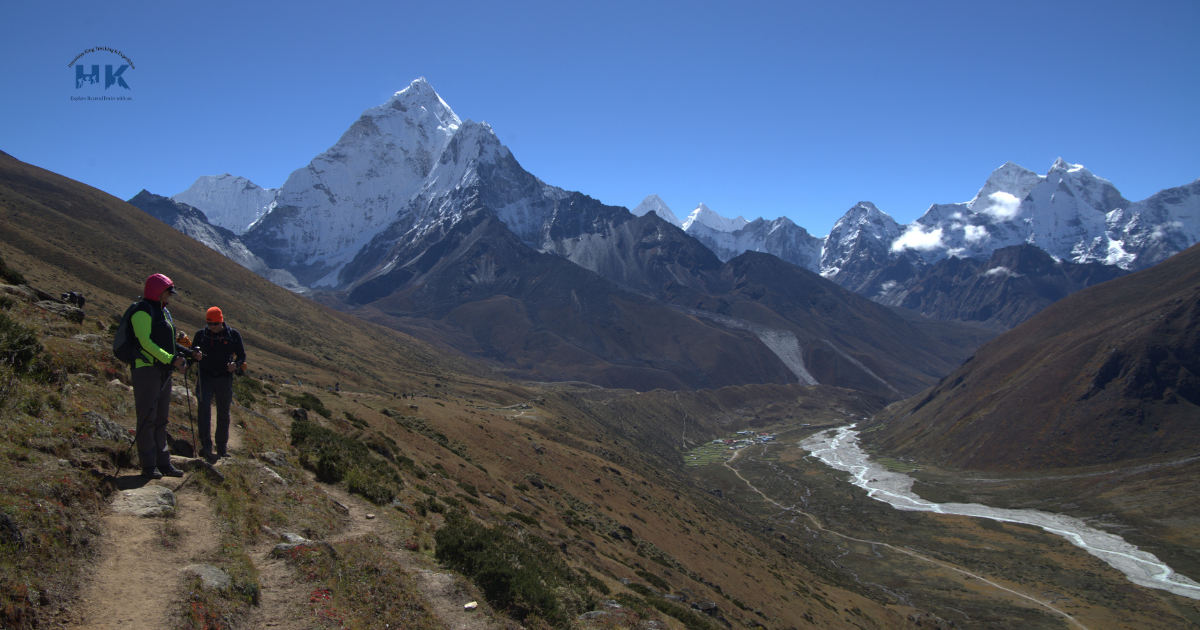
img: Scenic high-altitude dessert trail in EBC Trek
ABC Geography
The trail of Annapurna Base Camp Trek is popular for its continuous series of steep, relentless ascents and descents. The journey requires climbing and descending thousands of uneven stone staircases, which is notably about 3300 plus steps from Ulleri to Chhomrong. Mostly, the trail leads passing through dense rhododendron and bamboo forests before revealing a glaciated alpine basin.
Duration and Daily Walking Hours
Everest Base Camp Trek
The journey to Everest Base Camp covers a distance of approximately 130 km from Lukla and takes about 12 to 14 days on average to complete, with an average daily walk of about 5 to 7 hours of daily walk. The pace is recommended to keep slop as “bistarai, bistarai” to allow and adopt physiological and physical adaptations with rising altitude.
Annapurna Base Camp Trek
The trail covers roughly 115km depending on the trail and usually covers 7 to 10 days of dedicated itinerary to complete, on average, 5 to 7 hours of daily walking. Due to fewer acclimation protocols than the EBC trek, the journey to ABC requires fewer days.
Fitness Preparation Needed
For Everest Base Camp trek
The physical fitness and the requirement, preliminary, can be focused on aerobic capacity, lung health, and steady cardiovascular endurance. Incline treadmill walking with a loaded pack, stair-master sessions, running, and cycling can help prepare the cardiovascular system.
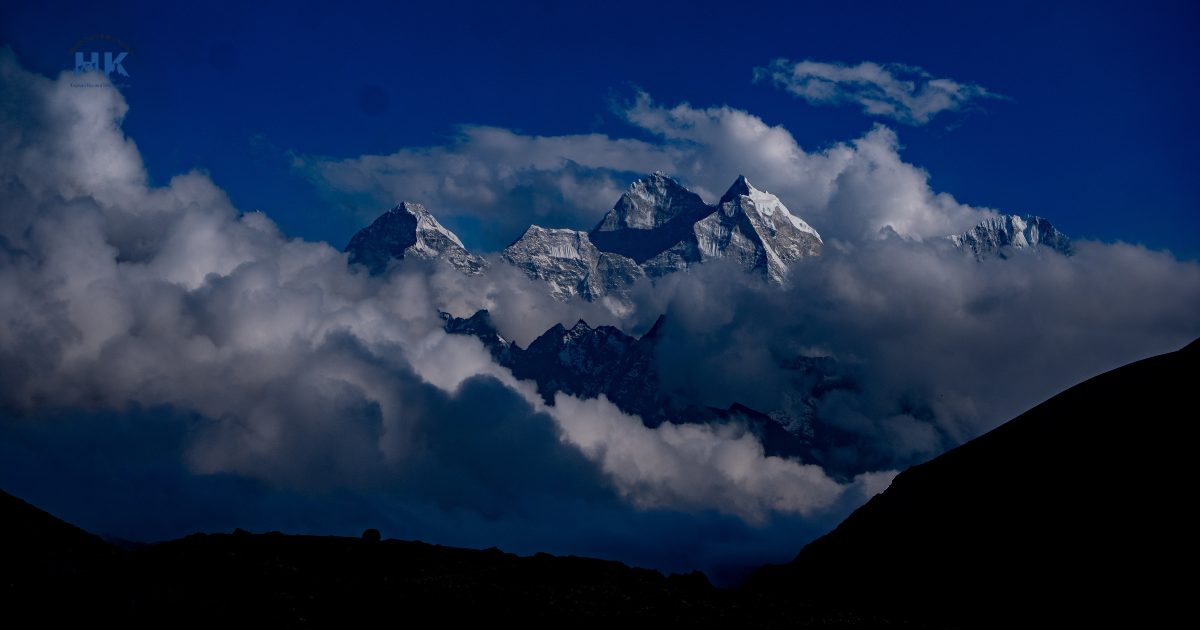
img: Everest as seen from Dingboche
For Annapurna Base Camp Trek
The preparation for ABC Trek can be focused heavily on eccentric leg strength, quad conditioning, and joint resilience. Weighted lunges, squats, step-downs, and downhill hiking exercises are best to prepare the knees for heavy impact on thousands of vertical stone steps.
Scenery and Cultural Experience: Scenic Journey in EBC vs ABC
Both trails from the Everest Region and Annapurna Region offer breathtaking Himalayan vistas. The visual landscapes and cultural narratives of the Khumbu and Annapurna Regions could not be more distinct. It's up to the traveler's preference to choose whether you prefer to have high-altitude deserts or bio-diverse mountain valleys.
Landscapes and Bio-Diversity
Everest Base Camp
The EBC Trail quickly climbs above the tree line, transitioning into an alpine environment. As the trek goes beyond Namche Bazar, sub-alpine pine forests turn into way more barren, lunar-like landscapes, and on much higher-altitude trails, it waves alongside active lateral moraines, frozen rivers as well as vast ice fields, culminating at the edge of roaring Khumbu Icefall. Mostly, the landscape of the Khumbu trail is defined by its raw, high-altitude geology, towering rock faces and vast glacial valleys.
Annapurna Base Camp
The ABC trail offers one of the most ecologically diverse journeys in the Himalayas; the route enters among the subtropical farmlands, terraced rice paddies and stunning waterfalls along the Modi Khola River. As you ascend higher, the trail enters dense rhododendron, bamboo, and oak forests.

img: animal gazing on a scenic landscapes in Annapurna
Cultural Immersion
Both of the regions are known for their culture and traditions too, which have been in practice for centuries. The indigenous communities practice their culture, deeply shaped and connected by the mountains, and it is really impressive along the journey.
Everest Base Camp Trail
The Everest trail is the heartland of the Sherpa people, who have their culture and traditions similar to Tibetans. The cultural immersion is deeply spiritual and tied to Tibetan Buddhism. During the journey, trekkers will get to pass through ancient mani walls carved with prayers and spin rows of prayer wheels. Cross suspension bridges covered with prayer flags and very old Buddhist Monasteries, notably the famous Tengboche Monastery, one of the largest Monasteries in the Khumbu Region.
Annapurna Base Camp Trail
The lower and mid-hill of the Annapurna Trail is mostly inhabited by the indigenous people, Gurung and Magar, certainly famous for their rich agricultural tradition. Very beautiful villages like Ghandruk feature traditional stone-paved alleys, stone-roofed houses and preserved culture in practice.
Crowds, Seasons and Trail Comfort
Beyond physical endurance and mental challenge, other factors like traffic, seasons and teahouse amenities can also shape the overall experience of a trekking journey, so
Crowd and Traffic
Everest Base Camp trek
EBC is a major bucket-list trekking experience for trekkers and travelers from all around the world, resulting in high trail density during the peak months. So, getting along with the heavy congestion can occur on narrow bridges, single-track climbs around the bottleneck near Namche Bazar and Lukla. Also, yaks, mules and porters regularly share the trail to transport goods through the main trail, which requires trekkers to stay mindful on cliff edges.
Annapurna Base Camp
ABC also sees heavy traffic, but the trail system offers greater flexibility, as many trekkers heading to ABC share alternative routes which pass through Poon Hill Trek or Mardi Himal Trek, which spreads the crowd volume across multiple trails; this makes the trail a bit loose even in the peak seasons.
Best Time to Trek Both Trails
The season of Spring and Autumn is considered best for both trails, even for overall trekking in Nepal. It is due to the features and the preference of many experienced trekkers.
During the season of Spring, the weather gets stable and clear, and visibility also gets better. Due to the pre-monsoon rain, the atmosphere gets refreshing, and with the blooming landscapes, the journey becomes scenic. The longer days can also be taken advantage of to have longer trekking days.
During the season of Autumn, the trekkers get to enjoy the best visibility of the year as well as the colorful trail with falling dry leaves. The weather will get better than any other season of the year. During the season, trekkers also get to encounter the biggest festival of Nepal, Dashain.
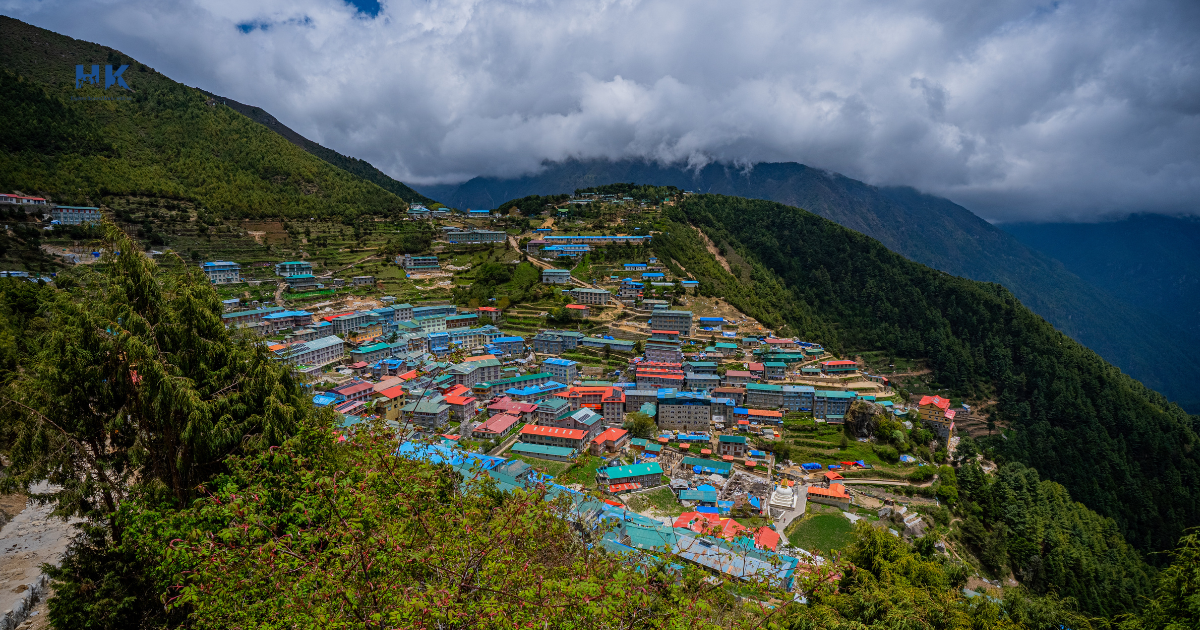
img: Namche Bazar inside the lush grennery during Spring
To Know more about best season for trekking in Nepal with more details, you can Visit our Best Season for Trekking and Climbing Guide.
Teahouse Amenities
EBC
The Khumbu Region consists of the highest-quality mountain lodges. Even luxury accommodations can be experienced at lower altitude, like in Namche Bazar with attached Bathrooms and electric blanket In higher altitude, the amenities and facilities become normal and basic but still accessible with heating and dining halls. Hot showers and charging facilities.
ABC
Annapurna Base Camp trek is also known for one of the best teahouse trek experiences in the Himalayas. So, the accommodations are generally in wood- and stone-built teahouses. Most of the food prepared is local products. The rooms are clean, simple, and unheated, but charging facilities and hot showers are widely available at lower prices. The main theme of accommodation in Annapurna Trail is that trekkers get to experience the unique teahouse experience close to the local lifestyle.
The Final Verdict: Which Trek is Better? EBC or ABC?
Both the Everest Base Camp Trek and the Annapurna Base Camp Trek are the best-tier experience for travelers and trekkers. On the honest side, there is no EBC vs ABC. Both of them have their own unique offerings as well as experiences to get. It's all on you to choose which can be the best fit for you to try next.
So,
Choose Everest Base Camp Trekking if you want to stand at the base of the world's highest peak, enjoy glacial landscapes, maintain a flexible budget, and wish to experience the Sherpa culture.
Choose Annapurna Base Camp Trekking if you prefer a cost-effective journey, a diverse ecosystem, and changing scenery through lush rhododendron forests with 360-degree panoramic mountain views.
Overall, for a traveler, there is no such thing as best and top. Both of them have taste in it and offer different experiences while providing an opportunity to immerse into the Himalayan Journey.
FAQs
Can a beginner do the Annapurna Base Camp trek?
Yes, the Annapurna Base Camp Trek is an accessible trekking trail with no technical climbs and does not require heavy logistics. Gradual climbs, slow altitude pacing, and easier inclined trails make ABC suitable for beginners too. But if you are an absolute beginner and do not have experience in shorter treks or hikes, recommended to try short trekking trails like Mardi Himal or Poon Hill before heading to Annapurna.
What is the difficulty of an EBC trek?
The difficulty of the EBC Trek is considered to be moderate to difficult. While the trail covers the proper himalayan terrain and covers the altitude between 3000m to 5000 plus during the Base Camp push, it totally depends upon the ability and the experience of trekkers. If you are an experienced trekker, it can be taken as average, while if you are not and are a beginner, then it can be considered difficult to complete.
Is EBC harder than ABC?
Yes, EBC is basically harder than ABC due to extreme altitude and the glacial landscapes. While ABC features the steeper stairs and abrupt vertical shifts, EBC requires multiple days above 4000m to get to Base Camp. With oxygen deprivation, freezing temperatures, and rugged terrain, EBC is significantly more demanding than ABC.
|
Planning a Trip? Get a free consultation from our travel experts with over a decade of experience. |

Bishal Limbu
Content Writer
Adventure Awaits — Let’s Begin Your Journey


